
What is kombucha?
If you've heard of kombucha but don't know exactly what it is , you're not alone. This fermented beverage has become more popular in recent years, and its fizzy appearance and sweet-sour taste have caught the attention of drink enthusiasts.
Kombucha is a fermented tea-based beverage, usually made with black or green tea, water, sugar, and a symbiotic culture of bacteria and yeast called a SCOBY. During fermentation, some of the sugar is consumed and organic acids, aromatic compounds, and a small amount of alcohol are formed.
To put it simply , kombucha is a fermented tea that tastes very different from regular tea. It is usually slightly sour, slightly sweet, and sometimes fizzy, and can have a fruity or herbal flavor depending on how it is prepared.
What is kombucha and what ingredients does it contain?
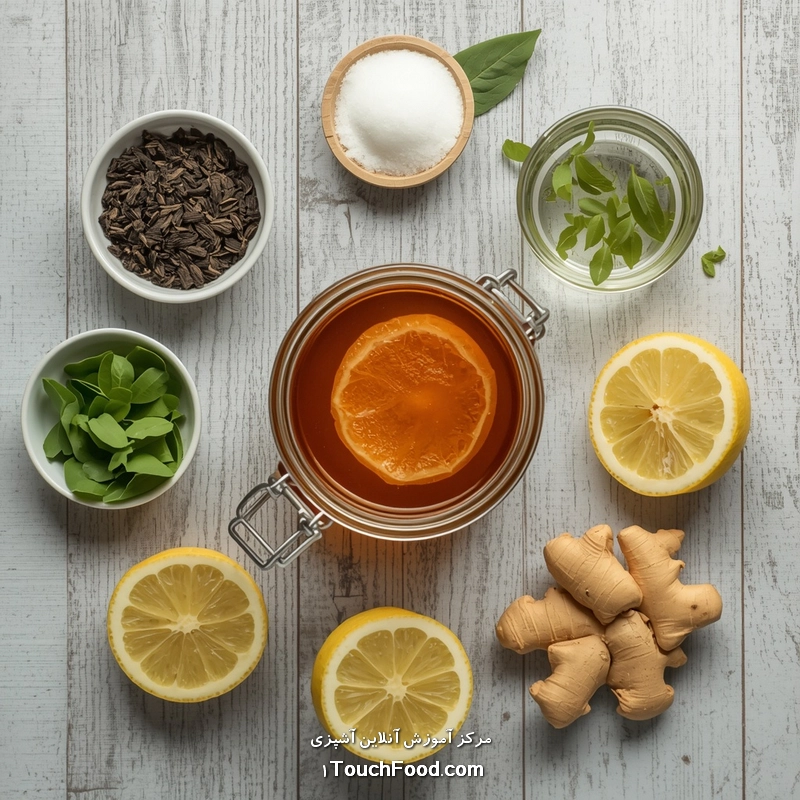
To better understand kombucha, we must first understand its ingredients. The base of this drink is usually black or green tea. Then sugar and SCOBY are added to it to begin fermentation.
The most important components of kombucha are:
- Black or green tea
- August
- Sugar
- SCOBY
- Starter liquid from previous kombucha
SCOBY is an abbreviation for Symbiotic Culture of Bacteria and Yeast. This layered, jelly-like structure houses a collection of bacteria and yeast and plays a key role in fermentation.
The interesting thing is that the sugar in kombucha isn't just used to sweeten the drink. The microorganisms in the SCOBY use the sugar as a starting material and create new compounds during fermentation.

How is the kombucha fermentation method done?
One of the most important things to understand about kombucha is its fermentation process, in which yeast and bacteria work together to affect the compounds in the sweetened tea.
Yeasts consume some of the sugar, producing alcohol and other compounds. Some bacteria can also convert some of these products into organic acids. This process gives kombucha its distinctive flavor and aroma.
Various factors affect the fermentation result:
- Type of tea
- Amount of sugar
- Ambient temperature
- Fermentation period
- Composition of SCOBY microorganisms
- Storage conditions
For this reason, two different products may have a similar appearance, but one may be very sour and the other milder.
The further the fermentation progresses, the more acidic the drink usually becomes. In some cases, more gas is formed, making the kombucha a fizzy drink.

What are the benefits of kombucha tea?
When you search for kombucha tea , you'll likely see a long list of benefits, but it's important to distinguish between advertising claims and scientific evidence.
Kombucha has attracted the attention of researchers due to its tea-like and fermented product properties. Laboratory and animal studies have reported some antioxidant and biological activities for the beverage, but there are still insufficient human studies to support many of these effects.
So if someone asks what kombucha is and what its benefits are , the exact answer is not that kombucha is a definitive cure for disease. The more scientific answer is that kombucha is a fermented beverage with bioactive compounds, some of whose possible effects are still being investigated.

Important compounds found in kombucha
The chemical composition of kombucha is not constant and varies depending on the type of tea and fermentation conditions. However, it usually contains compounds such as:
- Polyphenols in tea
- Acetic acid
- Other organic acids
- Fermented compounds
- A small amount of alcohol
- Various aromatic compounds
This compositional difference is one of the reasons why not all kombucha products can be considered exactly the same.
Is kombucha good for the digestive system?
One of the most common questions after asking what kombucha is is whether this drink is good for digestion.
Kombucha is a fermented product, which has led to a lot of research into its connection to the gut microbiome. Some early studies have shown interesting results, but the evidence is not yet enough to prove a definitive effect in all people.
So it's best to be realistic about this. Some people may feel better with a moderate amount of kombucha, but that alone doesn't prove a general therapeutic effect.
Is kombucha a probiotic?
This question is often asked alongside the question of what is kombucha .
Not every fermented food is necessarily a proven probiotic. A probiotic is a live microorganism that, when taken in appropriate amounts and with clear scientific evidence, confers a benefit to the host.
Kombucha can contain microorganisms from fermentation, but the type and amount of them vary between products, so it is not possible to standardize all types of kombucha as a probiotic without examining the product.
What are the side effects of consuming kombucha?
Knowing the side effects of kombucha is just as important as knowing its potential benefits.
Due to its acidic and fermentative nature, consuming kombucha may cause digestive upset, nausea, or an upset stomach for some people. Individual reactions can also vary.
In rare cases, there have been reports of more serious side effects associated with kombucha consumption. For this reason, consuming large amounts or using a product with uncertain health conditions is not a good choice.
Another important issue is the home production of kombucha. If the fermentation process is carried out in an inappropriate environment, the possibility of contamination increases. Maintaining the hygiene of the container, hands, raw materials and storage area is very important.
Who should be more careful?
People with underlying medical conditions or weakened immune systems should consult a doctor before regularly consuming kombucha.
It is also best for young children and pregnant women not to regularly consume fermented beverages with variable compositions without receiving professional advice.
Another thing to note is that kombucha may contain a small amount of alcohol. The amount varies from product to product and depends on the fermentation conditions.
Why is kombucha sour and fizzy?
Now that we know what kombucha is , it's easier to understand why it tastes so different.
The sourness of kombucha is mainly due to the formation of organic acids during fermentation. Acetic acid is one of the important components of this process and can create a pungent and sour taste.
Carbonation is also related to fermentation conditions. In some products, fermentation and storage cause carbon dioxide to accumulate, making the drink carbonated.
For this reason, kombucha can be a bit strange at first sip for someone who has only ever had regular tea. Some people love the taste, while others decide, "No thanks!" on the first sip.
What is the difference between kombucha and regular tea?
| Property | Regular tea | Cambodia |
|---|---|---|
| Base | Tea and water | Tea, water and sugar |
| Fermentation | does not have | has it |
| SCOBY | does not have | has it |
| Taste | Gas and tea-like | Sour, sweet and sometimes carbonated |
| Organic acids from fermentation | Very little | More |
| Alcohol from fermentation | does not have | It may have a small amount. |
So if we want to say very simply what kombucha is , we should consider it a "fermented tea", not just an iced tea with a sour taste.
What is the difference between homemade kombucha and the industrial type?
Industrial kombucha is usually produced and packaged under more controlled conditions. Home production requires more care, as environmental conditions affect the fermentation outcome.
Temperature, time, cleanliness of equipment, and quality of raw materials are all important. If the environment is contaminated or fermentation conditions are not properly controlled, the likelihood of unwanted microorganisms growing increases.
If you are going to make homemade kombucha, you should take hygiene seriously and use food-safe containers. This is especially important because of the acidic nature of the drink.
What does kombucha taste like?
The taste of kombucha can be described as a combination of sweetness, sourness, tea aroma, and sometimes a fizzy sensation.
The type of tea and the length of fermentation have a big impact on the final flavor. Some varieties are mild, while others have a sharp, vinegary flavor.
Some industrial products are also made with flavorings like ginger, lemon, or fruits, so the experience of drinking kombucha can vary greatly from one product to another.
Is kombucha really a healthy drink?
The answer to the question of what is kombucha and is it healthy needs to be a little more specific.
Kombucha can be part of a varied diet and provides the consumer with compounds derived from tea and fermentation. However, current scientific evidence is insufficient to support many of the health claims made about it.
So it's better to think of kombucha as an interesting fermented beverage, not a substitute for medicine or medical treatment. This view is both more logical and more consistent with current scientific evidence.
Important points when choosing kombucha
If you come across several different types of kombucha at the store, here are some practical tips:
- Read the ingredients.
- Check the amount of added sugar.
- Pay attention to the production and expiration dates.
- Choose a product with healthy packaging.
- If it has an unusual taste or smell, do not consume it.
- If you have an underlying medical condition, consult your doctor before regular use.
These tips are simple, but they will help you make a more informed choice.
Frequently asked questions
What is kombucha?
Kombucha is a fermented tea-based beverage, usually made from green or black tea, sugar, and a SCOBY. Fermentation produces organic acids, aromatic compounds, and a small amount of alcohol.
Does kombucha contain alcohol?
Yes, the fermentation process can produce a small amount of alcohol in kombucha. The amount depends on the type of product and the fermentation conditions.
What are the benefits of kombucha tea?
Kombucha contains tea polyphenols and fermented compounds, and some studies have reported biological and antioxidant activities. However, human evidence for many of the claimed therapeutic benefits is still limited.
What are the side effects of consuming kombucha?
Consuming too much kombucha may cause digestive upset or nausea in some people. Homemade kombucha can also be contaminated if prepared or stored improperly.
How does the fermentation method of kombucha affect the taste?
Fermentation time, temperature, type of tea, sugar content, and SCOBY composition all affect the final flavor. Further fermentation usually increases the sourness and changes the aroma of the drink.

Conclusion
Now, if you are asked again what kombucha is , you can answer very simply: kombucha is a tea-based fermented drink produced with the help of a SCOBY and usually has a sour, sweet, and sometimes carbonated taste.
The appeal of this drink isn't just in its unique name. The fermentation process changes the tea's composition, creating a unique product that is still the subject of various scientific studies.
At the same time, it is better to distinguish between potential benefits and therapeutic claims. Understanding the properties of kombucha tea , along with paying attention to the side effects of consuming kombucha, helps us approach this drink with a more rational perspective.
If you have tried kombucha, liked its taste, or have an interesting experience with it, share your experience with 1TouchFood readers.
We have brought you the introduction of cooking radio again. We have reviewed the benefits, a guide to starting listening, and important points in choosing cooking radio programs. Don't forget to check out One Touch Food's Instagram page . Be sure to send us your comments and suggestions.
Prepared on: 1TouchFood cooking site
Don't forget that you can also use food calories to find out the calories in other ingredients.