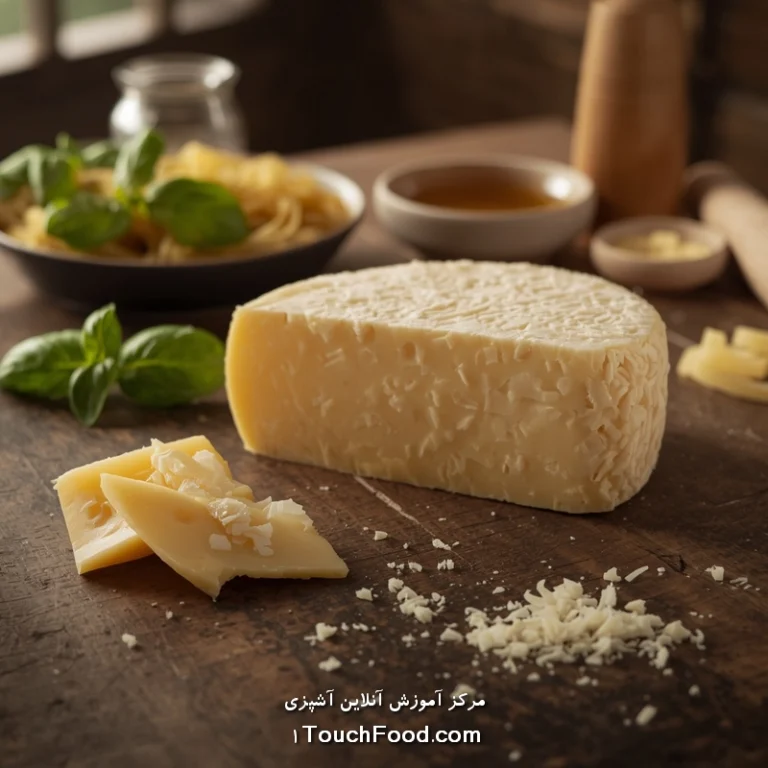
What is feta cheese?
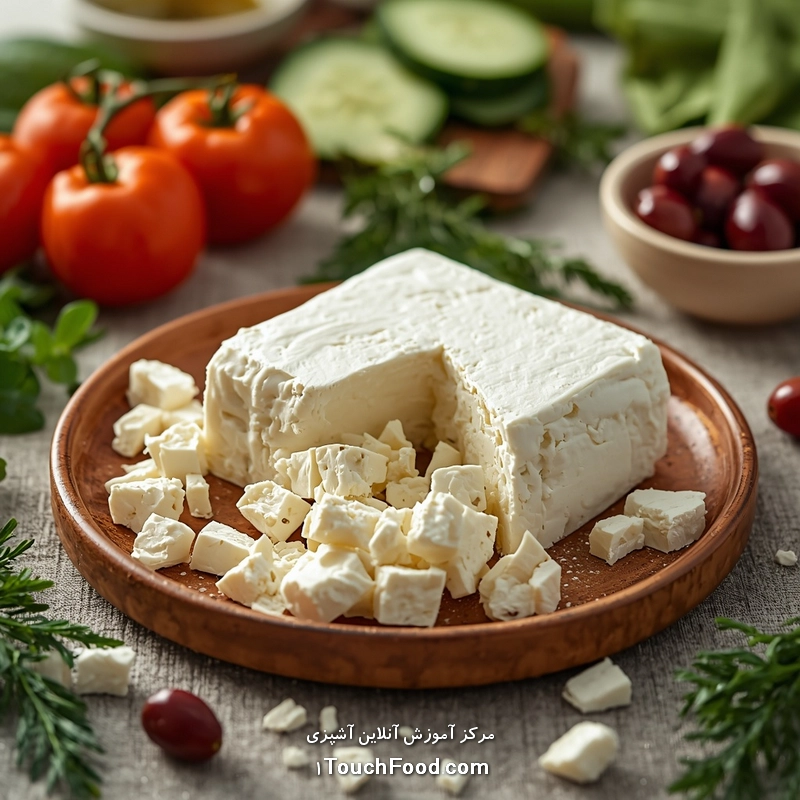
What is feta cheese? If you've ever had a white, salty, crumbly cheese alongside olives and tomatoes, you're probably familiar with feta cheese; but what is feta cheese and what sets it apart from regular white cheeses? Feta cheese is one of the most famous salty, soft cheeses, best known for Mediterranean cuisine, especially Greek salads.
Feta cheese has a soft, crumbly texture, a salty, slightly sour taste, and a distinct dairy aroma. It can be made from sheep's milk, or a combination of sheep's and goat's milk, and is usually preserved in brine. This preservation method greatly affects both its flavor and texture.
What is feta cheese and what are its properties?
What is feta cheese? Feta cheese is a soft, salty cheese of Greek origin that is usually found in compact, white pieces. Unlike some breakfast cheeses that have a completely uniform, slicable texture, feta usually crumbles easily and has a soft, slightly grainy texture when eaten.
One of the important characteristics of feta is that it is stored in salt water. For this reason, its saltiness can be significant. Of course, the amount of saltiness varies depending on the type of cheese, storage time, and production method.
The flavor of feta is usually a combination of salty, slightly sour, and creamy. If you don't like very salty cheeses, you might be a little surprised at first!
What kind of milk is feta made from?
Traditional Greek feta is usually made with sheep's milk, and in some varieties, goat's milk is also added. The use of these milks gives the cheese a unique flavor and aroma.
In the market, you may see products labeled as feta that are made from cow's milk. These products can differ in taste and texture from traditional feta. So if the authentic taste of feta is important to you, it is best to pay attention to the product label and the type of milk used when buying.
What is feta cheese and what does it taste like?
The taste of feta can be described as salty, slightly sour, and dairy. This cheese usually has a distinct flavor and, unlike very mild cheeses, does not get lost in food.
Its texture is also one of the main attractions of feta. When you crush it with your hands or a fork, it breaks into small pieces but does not completely powder. It is also soft and tender in the mouth, and sometimes you can feel the small grains of cheese.
If you find feta too salty, a simple tip can help: taste a small amount before eating and, if necessary, soak it briefly in plain water to reduce the saltiness. Of course, this can also reduce some of the cheese's original flavor. Read the full feta cheese calories .

What is the difference between feta and Lighvan cheese?
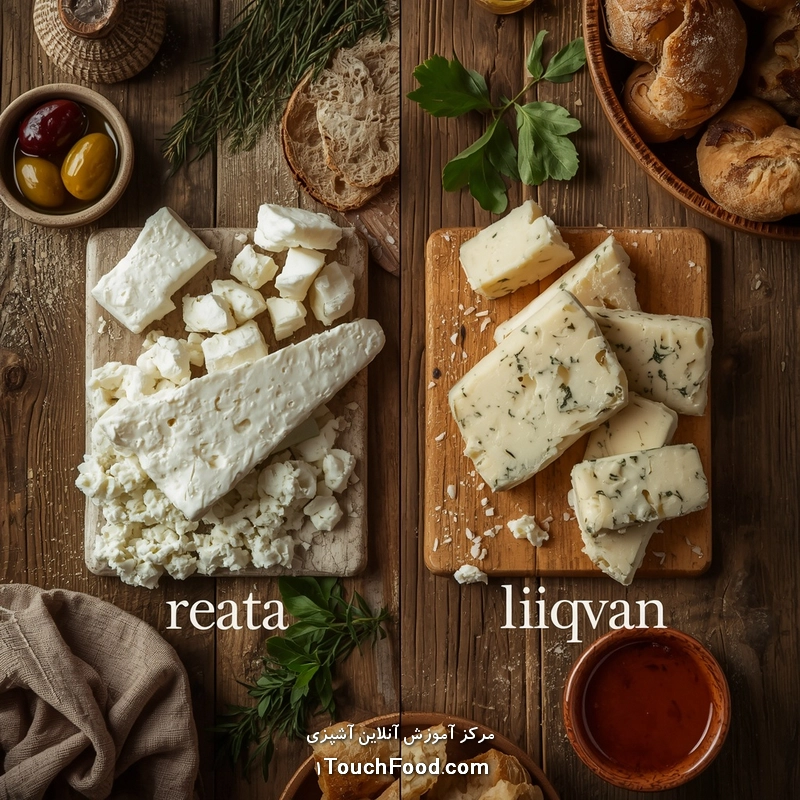
One of the most common questions when talking about feta cheese is the difference between feta and Lighvan cheese. The appearance of these two cheeses is sometimes so similar that you may not see much difference between them at first glance.
Both can be white, salty, soft and relatively crumbly, and both are usually made with sheep's milk or a blend of sheep's milk and other milks. However, their origins, production standards, ripening methods and flavor characteristics are not the same.
| Property | Feta cheese | Lighvan cheese |
|---|---|---|
| Known origin | Greece | Iran, especially the Lighvan region |
| Texture | Soft and fragile | Soft, porous and crumbly |
| Taste | Salty and slightly sour | Salty with a distinct dairy aroma |
| Maintenance method | Usually in salt water | Usually in salt water |
| Common use | Mediterranean cuisine and salads | Breakfast and Iranian food |
So it cannot be said that feta and liqvan are exactly the same cheese. The similarity in appearance and some production characteristics have led to comparisons between the two cheeses, but the identity and characteristics of each are different.
Can I use Lighvan cheese instead of feta?
In many dishes, yes. If you don't have feta on hand for a salad or a Mediterranean dish, goat cheese can be a good substitute.
However, the result will not be exactly the same as feta. Lighwan may have a different aroma and saltiness, which will change the final taste of the dish.
Using feta in Greek salad
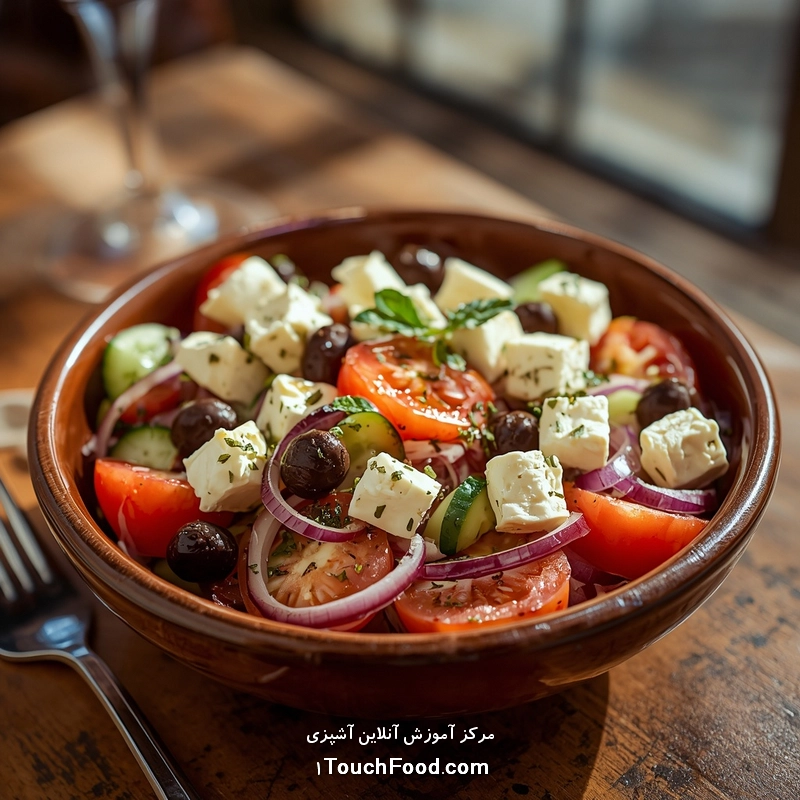
One of the most famous uses of feta is in Greek salad. The combination of tomatoes, cucumbers, olives, onions, fresh herbs, and feta pieces creates a classic and well-known combination.
In this salad, feta is not just a garnish. Its saltiness and dairy flavor create an interesting balance alongside the freshness of the vegetables and the zest of the olives.
To make feta look and feel better in a salad, it's best not to chop it too much. Relatively large pieces are both prettier and you feel the presence of the cheese more when eating it.
Another practical tip is to not rush into using salt for other ingredients if the feta itself is salty. Add the cheese and olives first and then taste.
What dishes is feta cheese used in?
Feta's uses are not limited to Greek salads. This cheese is used in a variety of dishes due to its strong flavor and texture.
Some of its common uses include:
- Types of vegetable salads
- Sandwiches and light breads
- Pasta and Mediterranean cuisine
- Omelettes and egg dishes
- Dishes made with grilled vegetables
- Cold appetizers
- Mixed with olives and fresh vegetables
- Use in some foods made with dough and bread
Feta can also be crumbled over cooked or grilled vegetables. The heat softens it, but it doesn't usually melt into a string like stretchy cheeses. So if you're looking for a stretchy pizza cheese, feta isn't your first choice.
What are the properties of feta cheese?
When talking about the health benefits of feta cheese, it's best to be realistic. Feta is a dairy food and can be part of a varied diet, but it's not meant to be a therapeutic food on its own.
Some nutritional properties of feta include:
- It is a source of protein.
- It contains calcium and can play a role in meeting part of the body's needs for this mineral.
- It has phosphorus.
- Like other dairy products, it has various vitamins and minerals.
- It can help you feel full because it contains protein and fat.
Of course, feta is usually a salty cheese, so people who need to limit their sodium intake should consult their doctor or nutritionist for advice.
Is feta suitable for everyone?
Not necessarily. People who are allergic to milk or milk proteins should be more cautious when consuming dairy products. Also, the lactose tolerance level is not the same in different cheeses, and the method of production and ripening of the cheese affects the amount of lactose remaining.
If you experience digestive symptoms after consuming a type of cheese, it's best to consider the product's ingredients and your own body's reaction, rather than making a decision based solely on the name of the cheese.
How to store feta?
Feta is usually stored in salt water, and removing it from this environment can affect its shelf life and quality.
For better maintenance:
- Place the cheese in the refrigerator.
- Keep it in its own brine as much as possible.
- Remove the cheese with your hands or a clean tool.
- Pay attention to the expiration date and storage instructions on the packaging.
- Do not consume if you notice an unusual odor, abnormal mold, discoloration, or obvious change in texture.
Feta is a delicate cheese, and repeated contact with contaminated hands or utensils can reduce its quality.
What should we pay attention to when buying feta cheese?
If you're looking to buy feta, don't just go by its white appearance and product name. A few small things can make a significant difference.
First of all, read the product label. The type of milk, storage conditions, production date, and expiration date are important information.
Second, pay attention to the packaging. The packaging should not be bloated, damaged, or leaking.
Third, think about your preferred saltiness level. If you're going to eat cheese in a salad with olives, choosing a very salty feta may make the entire dish too salty.

Should feta cheese be salty?
Yes, saltiness is a well-known characteristic of feta, and brine plays an important role in its preservation and flavor. However, “salty” does not mean inedible, and the intensity of saltiness varies between different products.
If the taste is too salty for you, you can soak a small amount of the cheese in water for a short time and then consume it. It is best to do this only as much as you need and not leave the entire cheese out of the brine for a long time.
What are the tastiest ingredients to eat feta with?
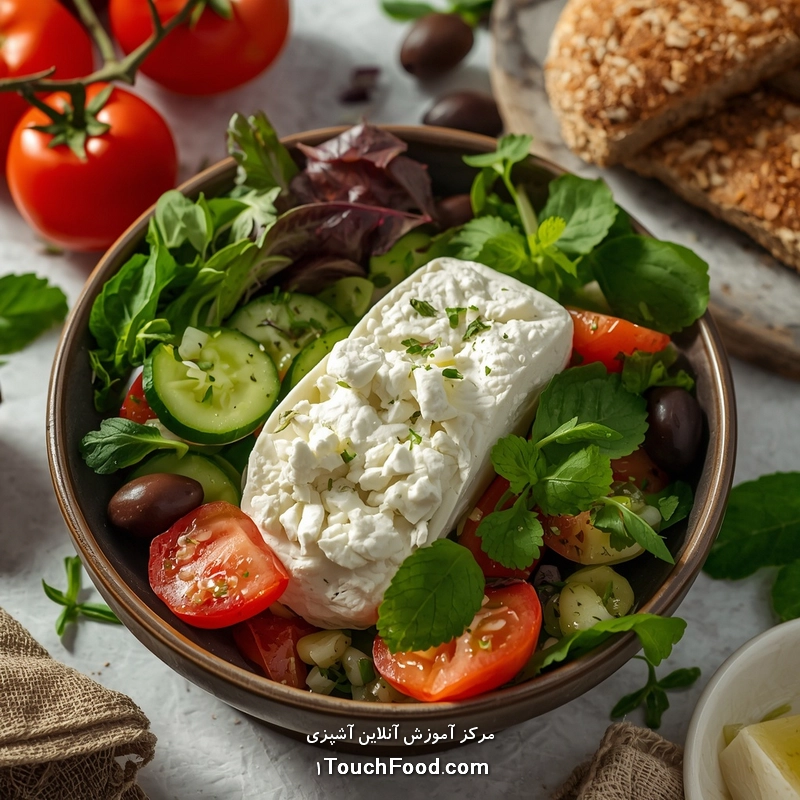
Feta is one of those cheeses that shines with fresh ingredients. Tomatoes, cucumbers, olives, fresh herbs, and olive oil are its classic companions.
Combining feta with grilled vegetables is also an attractive choice. Bell peppers, tomatoes, and zucchini can make a simple but flavorful dish alongside this cheese.
If you like salty breakfasts, a little feta with bread, greens, and olives can be a good option. Just be aware that since both feta and olives can be salty, adding salt is usually not necessary.
What is the difference between traditional feta and similar cheeses?
One important point about feta is that its name and production method are not the same as the general concept of “white cheese.” White cheese is a broad category of products, but feta has more specific characteristics and production traditions.
For this reason, not every salty white cheese can be considered feta. Differences in milk type, fermentation method, cheese ripening, texture, and storage method can completely change the final product.
This becomes even more important when shopping, as two products may look very similar in appearance, but have different tastes and uses.
FAQ
What is feta cheese?
What is feta cheese? Feta cheese is a soft, white, salty cheese of Greek origin, usually made from sheep's milk or a combination of sheep's and goat's milk and preserved in brine. This cheese is widely used in Mediterranean cuisine due to its crumbly texture and salty, slightly sour taste.
What is the difference between feta and Lighvan cheese?
Feta is a well-known cheese with Greek origins, while Lighvan cheese is associated with the Lighvan region of Iran. The two cheeses share similarities in appearance, saltiness, and texture, but their production method, flavor, and product characteristics are not the same.
What is the use of feta in Greek salad?
Feta is a well-known staple in Greek salad. Its salty, slightly sour flavor creates a distinct flavor balance alongside tomatoes, cucumbers, olives, and other fresh ingredients.
Is feta cheese healthy?
Feta can be part of a varied diet and provides protein, calcium, and some nutrients. However, it is usually high in sodium, so portion size is important for people who need to limit their salt intake.
Is feta cheese made with cow's milk?
Traditional Greek feta is usually made from sheep's milk or a combination of sheep's and goat's milk. However, there are products on the market labeled feta or light feta cheese that may be made from cow's milk, so it's important to check the label.

Conclusion
Now, if someone asks you what feta cheese is, you can answer very simply: a soft, white, salty cheese of Greek origin that is usually preserved in brine and is very popular in salads and Mediterranean dishes due to its unique flavor.
Feta isn't just for Greek salads. It can also shine alongside olives and fresh vegetables, on top of cooked vegetables, in some Mediterranean dishes, or even as a simple breakfast.
If you've tried feta, tell us which version you like best: in salads, with bread and olives, or in hot dishes? Your experience could be interesting for other 1TouchFood readers.
We have brought you the introduction of cooking radio again. We have reviewed the benefits, a guide to starting listening, and important points in choosing cooking radio programs. Don't forget to check out One Touch Food's Instagram page . Be sure to send us your comments and suggestions.
Prepared on: 1TouchFood cooking site
Don't forget that you can also use food calories to find out the calories in other ingredients.