What is fenugreek?
What is fenugreek? Fenugreek is an aromatic plant from the legume family, both the seeds and leaves of which are used in cooking and some traditional applications. This plant has a warm, slightly bitter, and distinctive aroma and flavor, and has found a special place in Iranian, Afghan, Indian, and Middle Eastern cooking.
If you've ever smelled fenugreek in a homemade dish, you've probably noticed that a small amount of it can completely change the character of a dish! But fenugreek is not just an aromatic herb; its seeds are also interesting in terms of their herbal compounds and nutritional uses.
What is fenugreek and what are its properties?
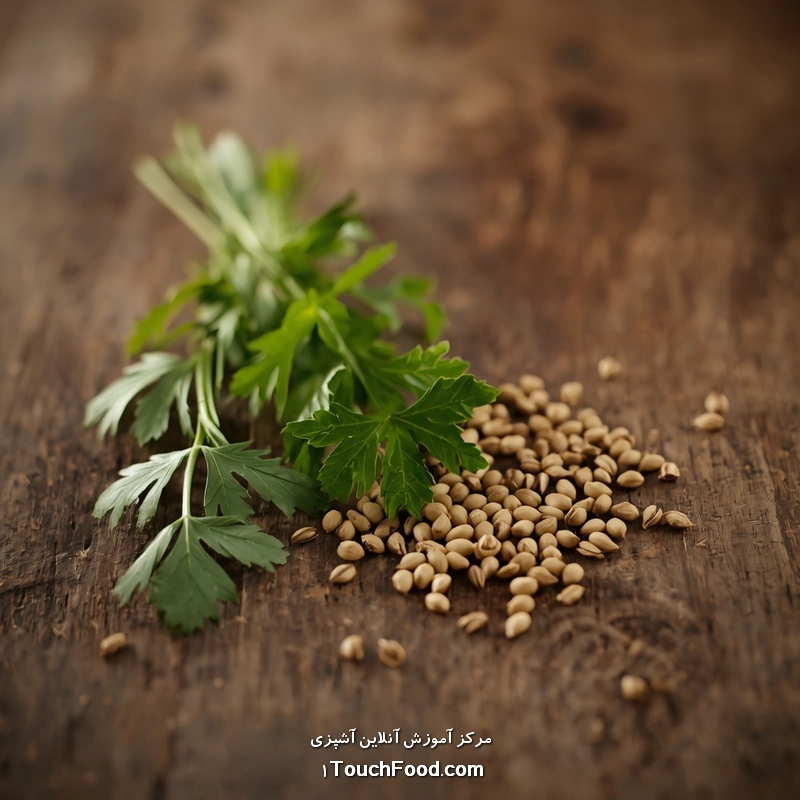
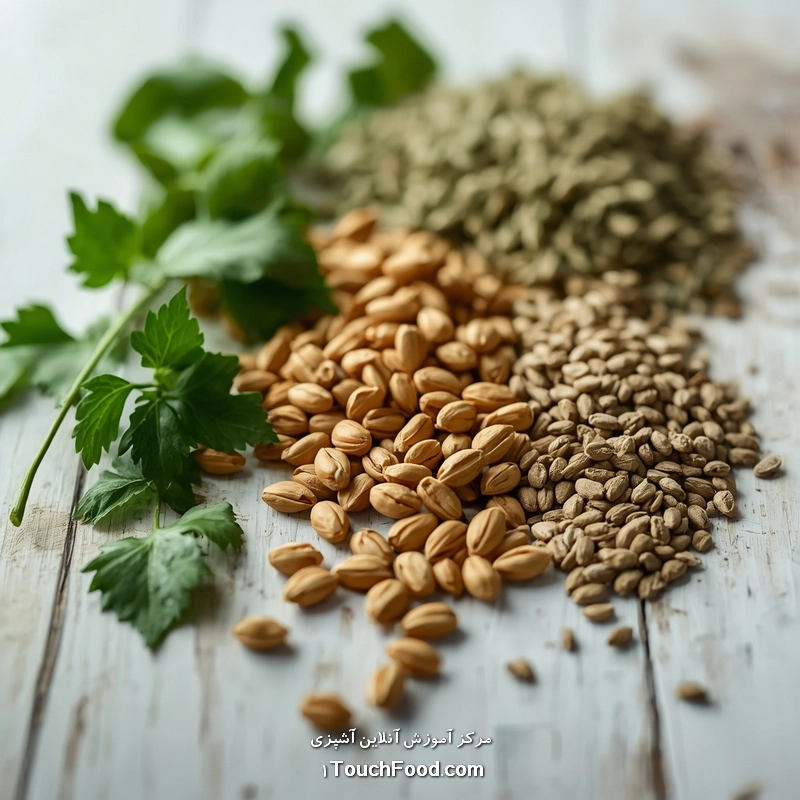
Fenugreek is known scientifically as Trigonella foenum-graecum . This annual plant has three-lobed leaves and small, yellowish-brown seeds. Different parts of fenugreek are used fresh, dried, or in seed form, depending on the region and type of use.
When we ask what fenugreek is, we should consider its two main forms: fenugreek leaves and fenugreek seeds . The leaves are mostly used in mixed dishes and greens, while the seeds are usually used as a spice or aromatic ingredient.
One of the interesting features of this plant is its very distinctive aroma. Fresh fenugreek has a green, herbal smell, but the dried variety usually produces a stronger, deeper aroma.
What does fenugreek taste like?
The taste of fenugreek is not exactly like that of a typical spice. It has a slightly bitter, warm, earthy, and aromatic flavor , and if consumed in large quantities, its bitterness becomes quite noticeable.
For this reason, fenugreek is usually used in moderation in cooking. A small amount can give a pleasant aroma to food, but excessive consumption may make the food taste bitter.
A practical tip is that dried fenugreek usually has a more concentrated aroma than fresh fenugreek , so if you're using the dried variety, it's best to add a small amount at first and increase the amount if needed.
Where does fenugreek come from?
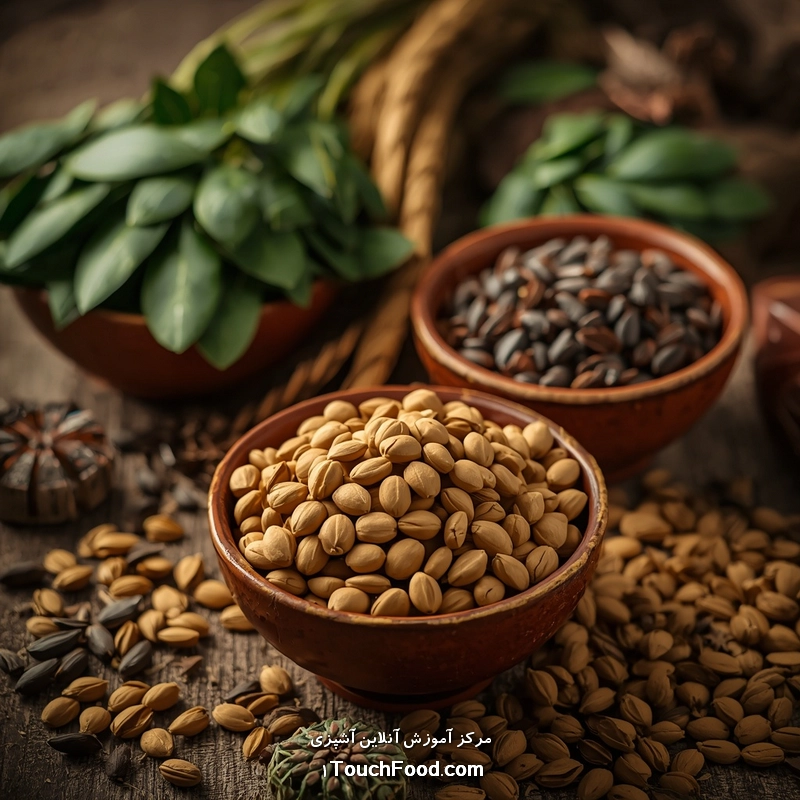
Fenugreek has a long history in the Mediterranean, Middle East, and parts of Asia, and is now cultivated in many countries. It is known in many food cultures as a vegetable, spice, or edible seed.
Fenugreek seeds are also found in some spice blends due to their unique aroma. In South Asian, Middle Eastern, and North African cuisines, there are various ways to use the leaves and seeds of this plant.
This diversity means that the answer to the question of what fenugreek is is not limited to just one botanical definition; fenugreek is part of the food culture of several regions of the world.
What parts does fenugreek have?
To better understand this plant, we can examine the uses of its different parts separately:
| Fenugreek section | Usage form | Common use |
|---|---|---|
| Fresh leaves | Fresh vegetables | Foods, mixed vegetables and some dishes |
| Dry leaves | Dried spices and herbs | All kinds of aromatic foods |
| Danah | Spice | Combining different spices and foods |
| Bud | Food | Salads and some foods in some cultures |
The leaves and seeds are not exactly the same in terms of flavor and aroma. The seeds usually have a stronger, more bitter flavor and should be measured more carefully when using.
What is the use of fenugreek in Iranian cooking?
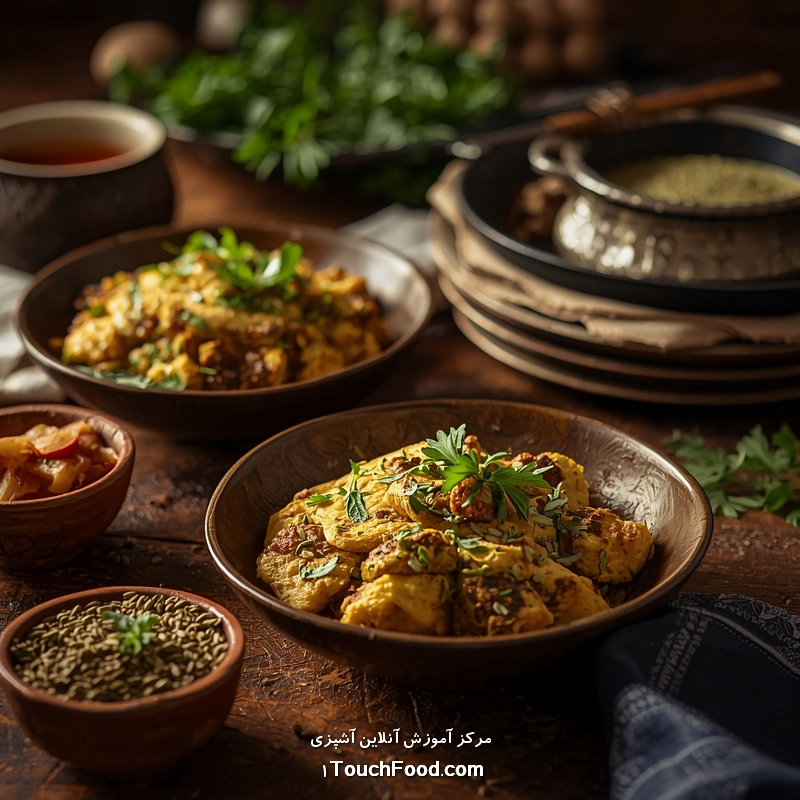
If you are familiar with Iranian cuisine, you probably remember fenugreek most of all with Ghorme Sabzi . Fenugreek is one of the vegetables that can create the special aroma of this stew.
Of course, the use of fenugreek is not limited to vegetable stew. It is also used in some vegetable combinations, soups, dishes, and local dishes.
The important point here is that fenugreek does not usually act as a major flavoring agent; it acts more like a spice or aromatic herb that, in small amounts, enhances the aroma of food.
If you find that your food is too bitter when using dried fenugreek, you may have used too much. With this herb, "little but enough" usually works best.
Use of fenugreek in Afghan cuisine
The use of fenugreek in Afghan cuisine is also notable. In Afghan cuisine, herbs and spices play an important role in creating flavor and aroma, and fenugreek can be used in some vegetable combinations and local dishes.
Fresh or dried fenugreek leaves can impart a herbal and slightly bitter flavor to a dish, depending on the dish. Fenugreek seeds are also used as part of a spice blend in some dishes.
If you're familiar with Afghan cooking, you'll probably notice that aromatic herbs aren't just for decoration; they can add depth to the flavor of a dish. Fenugreek is one of those herbs.
What are the ingredients of fenugreek?
Fenugreek seeds contain various compounds including fiber, protein, minerals and plant compounds. One of the prominent compounds found in its seeds is saponins . Fenugreek seeds also contain aromatic compounds and mucilage that contribute to its textural properties and traditional uses.
Of course, the presence of a herbal compound does not mean that consuming fenugreek can replace medical treatment. It is best to distinguish between the nutritional value of a food item and the therapeutic claims made about it .
This perspective allows us to separate real and usable information from exaggerated advertising when we talk about what fenugreek is.
What are the benefits of fenugreek for breastfeeding?
One of the most frequently asked questions about this herb is the benefits of fenugreek for breastfeeding . Fenugreek is known in traditional medicine and some herbal products as an herb that may help increase breast milk production.
However, scientific evidence on the effect of fenugreek on increasing breast milk is not consistent and conclusive. Some studies have reported a possible effect, but the quality and results of the research vary and it cannot be considered a definitive solution for increasing milk.
On the other hand, consuming dietary amounts of fenugreek is not the same as taking higher doses of herbal supplements. Breastfeeding mothers, especially if they are taking supplements or have an underlying medical condition or are taking medication, should consult a doctor or nutritionist before consuming large amounts of fenugreek.
So if you're researching fenugreek for the purpose of breastfeeding, it's best to consider it an herbal option with limited evidence and not a definitive cure .
Is fenugreek suitable for everyone?
Fenugreek is safe for most people in normal dietary amounts, but consuming large amounts or taking supplements may not be suitable for some people.
People who are allergic to legumes should be cautious when consuming fenugreek, as it is a member of the legume family. Also, consuming large amounts may cause digestive upset in some people.
During pregnancy, using large amounts or supplemental forms of fenugreek is not something that should be done without consulting a doctor.
This is important: Just because a plant is edible does not mean it is safe to consume indefinitely.
What is the difference between fresh, dried, and seed fenugreek?
All three forms of fenugreek have their own specific uses.
Fresh fenugreek:
It has a greener, more delicate aroma and is suitable for dishes that feature fresh herbs.
Dried fenugreek:
Its aroma is more concentrated and is very useful for dishes that require a small amount of aromatic herbs.
Fenugreek seeds:
It has a stronger and more bitter taste and is usually used in spice blends or some traditional dishes.
If you're new to cooking with this herb, dried fenugreek is usually a more convenient option; it's just best to start with a small amount.
How to buy and store quality fenugreek?
When buying fresh fenugreek, choose leaves that are naturally colored, healthy-looking, and have no signs of wilting. The plant should also smell natural and fresh.
In the case of dried fenugreek, the product should have a distinct aroma and not be too colorless or wet. Fenugreek seeds should also be dry, healthy, and free of any unnatural odor.
For storing dried and seeded types, a sealed container and a dry, cool environment away from direct sunlight is best. Humidity can reduce the quality of dried spices and herbs.
A simple kitchen trick is to write the date of purchase on the container. Spices that have been sitting in the corner of a cabinet for a long time, even if they appear healthy, may have lost their original aroma.

Is fenugreek the same as dried fenugreek?
Yes. Dried fenugreek, used in many Iranian dishes, is the dried leaves of the fenugreek plant. It is usually added to vegetable mixtures in small amounts because of its strong aroma.
If the amount of fenugreek is too much, its bitterness can affect the taste of the food. Therefore, in dishes like vegetable stew, the balance between fenugreek and other vegetables is very important.
What foods does fenugreek go well with?
The unique aroma of this herb makes it compatible with a variety of foods. Depending on the food culture, it can be used alongside different ingredients.
Some common uses include:
- Various vegetable stews
- Local dishes and foods
- Various combinations of dried vegetables
- Some Afghan dishes
- Some spice combinations in Indian and Middle Eastern cooking
- Some traditional breads and foods
If you're new to using fenugreek, it's best to start with a dish that has other strong flavors. This will help you get to know the herb's aroma better and find the right amount.
Frequently Asked Questions About Fenugreek
What is fenugreek?
Fenugreek is an annual plant from the legume family whose leaves and seeds are used in cooking. This plant has a distinctive aroma, warm and slightly bitter taste, and is used in Iranian, Afghan, Indian and Middle Eastern cuisines.
What does fenugreek taste like?
The flavor of fenugreek is usually described as slightly bitter, warm, earthy, and herbal. Fenugreek seeds have a stronger flavor, and the dried leaves add a very distinctive aroma to food.
Is fenugreek good for breastfeeding?
Fenugreek has been used in some traditional sources and herbal products to increase breast milk, but scientific evidence about its effectiveness is not conclusive and consistent. Consuming large amounts or supplements of fenugreek while breastfeeding is best done with the advice of a doctor or relevant specialist.
What is the use of fenugreek in Afghan cooking?
The use of fenugreek in Afghan cuisine is mostly related to its use as a vegetable or aromatic ingredient in certain dishes and spice blends. Fresh leaves, dried leaves, or seeds can be used depending on the type of dish.
Is fenugreek the same plant used in vegetable stew?
Yes. Dried fenugreek leaves are one of the aromatic herbs used in many Persian vegetable stew recipes. Its quantity should be moderate, as excessive use can increase the bitterness of the dish.
Conclusion
Now that we know what fenugreek is , it's easier to understand why this small herb has become so popular in so many different food cultures. Fenugreek leaves and seeds each have different uses, and its warm aroma and slightly bitter flavor can make even a small amount of a dish completely different.
From Iranian vegetable stew to the use of fenugreek in Afghan cuisine and the use of its seeds in spice blends, this plant has found its place in various kitchens. Regarding the benefits of fenugreek for breastfeeding, it is better to consider scientific evidence and expert opinion instead of relying on definitive claims.
If you have an interesting experience using fenugreek, for example, a local dish made with this herb or a trick to reduce its bitterness, write to us in the comments section. Kitchen experiments are sometimes more practical than dozens of theoretical explanations!
We have brought you the introduction of cooking radio again. We have reviewed the benefits, a guide to starting listening, and important points in choosing cooking radio programs. Don't forget to check out One Touch Food's Instagram page . Be sure to send us your comments and suggestions.
Prepared on: 1TouchFood cooking site
Don't forget that you can also use food calories to find out the calories in other ingredients.