What is fennel?
What is fennel and why is this plant, with its unique aroma and slightly sweet taste, so popular in both the kitchen and the world of herbal teas? If you have only seen fennel in the form of small, fragrant seeds, it is interesting to know that different parts of this plant have been used in food, drinks, and traditional medicine. In this article, we want to get to know fennel up close and see what it tastes like, how it is used in food, and what you should know about its herbal teas.
What is fennel and what kind of plant is it?
What is fennel? Fennel is an aromatic plant from the umbelliferae family, whose scientific name is Foeniculum vulgare . This plant is native to the Mediterranean region and is now cultivated in various parts of the world. Fennel is a herbaceous plant with delicate, thread-like leaves, long stems, and yellow flowers.
The part most people know as fennel is the seed, or rather the dried fruit, of the plant. This small part has a very distinct aroma, and due to the presence of aromatic compounds, its sweet and spicy smell is immediately noticeable. Sweet fennel is one of the well-known varieties of this plant, and its fruit is also used in the preparation of herbal products and teas.
So if we want to answer very simply what fennel is , we can say: Fennel is an aromatic edible and medicinal plant whose seeds are best known as a spice and a raw material for herbal teas , and other parts of the plant are also used in cooking.
What does fennel look like?
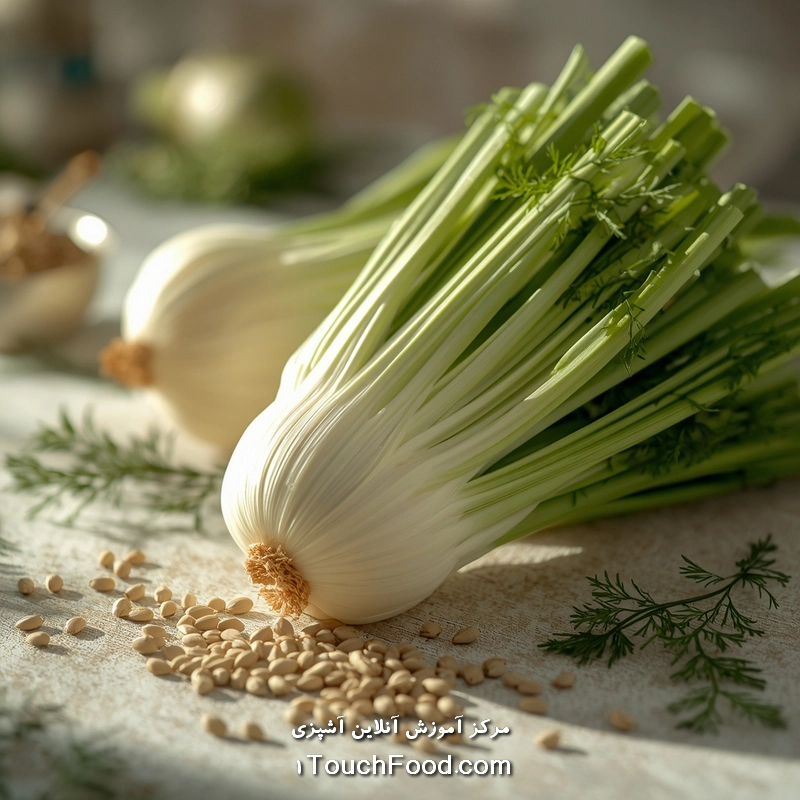
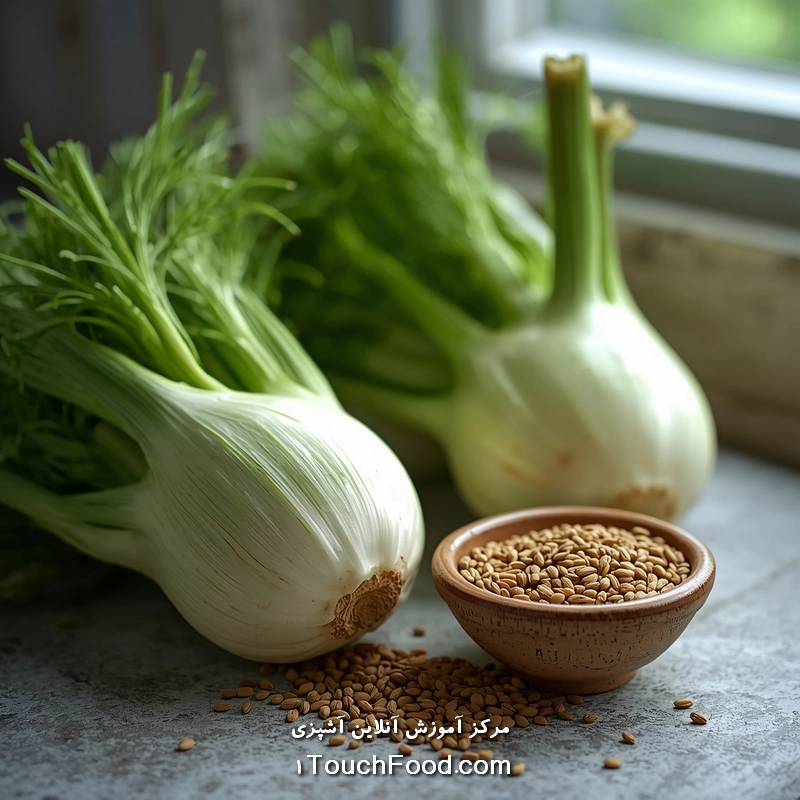
If you ever see a fennel plant up close, you'll probably be intrigued by its appearance. Its stems are tall and fairly sturdy, and its leaves look like delicate, green feathers.
Fennel flowers are borne in umbrella-shaped clusters on the plant. After flowering, the plant produces small, elongated fruits, commonly known as fennel seeds in cooking.
Fresh fennel is also used in some cuisines. The bulbous, white part of some fennel species is used raw or cooked and has a different flavor than the dried seed.
What is the difference between fennel and anise?
Here's a common misconception. Fennel and anise both have a sweet, licorice-like aroma, but they are not the same plant.
Fennel is a member of the genus Foeniculum , while anise is a member of the genus Pimpinella . The similarity in scent between the two plants has sometimes led people to confuse them.
An easy way to tell the two apart is by looking at the shape of the seeds, the aroma, and the appearance of the plant. Of course, if you're buying to make tea or a spice, it's best to check the exact name of the product on the packaging.
What does fennel taste like in food?
The flavor of fennel in food is often described as sweet, warm, aromatic, and slightly licorice-like, although the intensity of the flavor depends on the amount used and the form in which it is consumed.
Whole fennel seeds have a distinct aroma, and their aroma is released more when heated slightly. For this reason, fennel seeds are added to the spice mix in small amounts in some dishes.
If you are using it for the first time, it is best to start with a small amount. Fennel is not one of those spices that you need to add a lot to your food. Its aroma can be felt even with a small amount.
Fennel can be used alongside ingredients such as:
- Various types of bread and spiced breads
- Vegetable dishes and meals
- Some soups
- Spice combinations
- Seafood
- Some pickles and condiments
- Herbal teas
Fennel is also used in Mediterranean cuisine and some Asian food cultures.
What is the use of fennel in herbal tea?
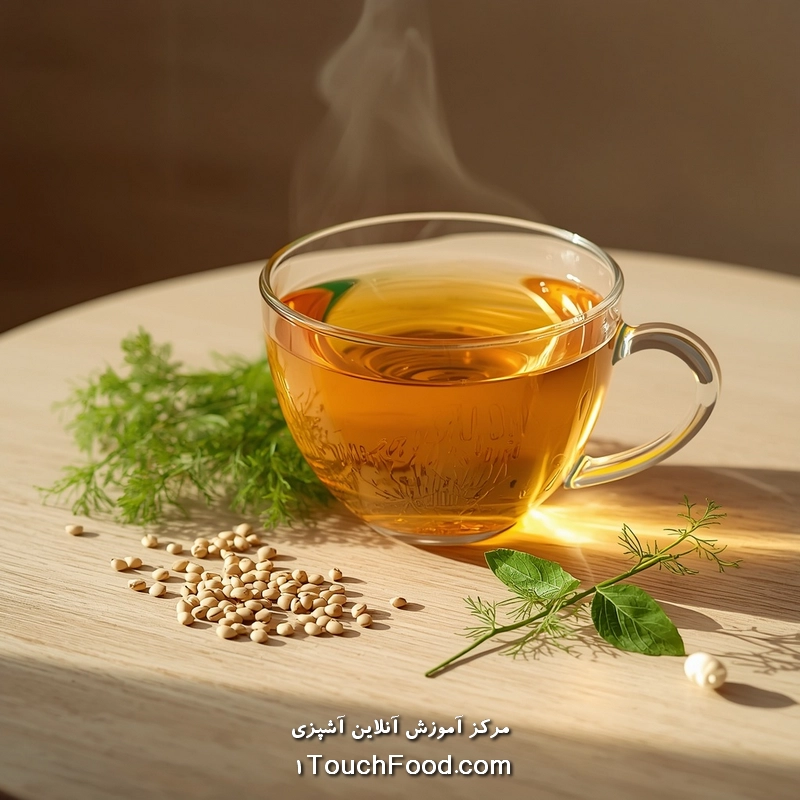
One of the most well-known forms of consuming this herb is fennel tea. Dried fennel fruit is usually used to make the tea, and its sweet, warm aroma has made it a relatively popular drink.
In terms of traditional use, fennel fruit products have been used to help with mild digestive symptoms, such as bloating and gas. The European Medicines Agency has also reviewed the traditional use of sweet fennel products for mild, temporary digestive symptoms, including bloating and gas. This is not a definitive treatment for digestive conditions.
The important thing to note is that herbal teas are different from medications. If you have severe, frequent, or prolonged bloating, abdominal pain, or digestive discomfort, it is best to investigate the underlying cause and not rely solely on herbal teas.
What is the aroma and taste of fennel tea?
Fennel tea usually has a sweet, herbal aroma, and its flavor can be reminiscent of licorice or anise to some people. If you don't like very sweet flavors, it may seem a little different at first.
Some people drink it plain, while others use it in combination with other aromatic herbs. However, combining several herbs does not always mean greater effectiveness or greater safety, and it is best to be cautious when using herbal products, especially in children and during pregnancy.
What are the properties of fennel?
When talking about the properties of fennel, it is best to distinguish between traditional use and proven therapeutic effects . Much of the material written about aromatic herbs on the Internet presents all traditional claims as definitive fact; while the scientific evidence for all of these claims is not the same.
According to the EMA assessment, sweet fennel fruit products have been traditionally used for some mild and temporary digestive problems such as bloating and gas, some mild menstrual cramps, and to help clear mucus in coughs associated with colds. These uses have been assessed in the context of traditional use , not as proof of definitive therapeutic effect for all people.
The most important points that can be made about fennel are:
- Its traditional use is known for mild digestive upsets.
- Fennel seeds are a source of aromatic plant compounds.
- Fennel is used in cooking as a spice and flavoring.
- Fennel tea is one of the most common forms of its consumption.
- Medicinal and concentrated consumption is not the same as regular food consumption.
So if someone asks you what fennel is and what its benefits are, it's better to talk about its known uses and limitations rather than a long list of medicinal claims.
Fennel benefits for baby bloating; is it really suitable?
This section is very important, because the phrase "properties of fennel for baby bloating" is frequently searched for, and sometimes incorrect advice is published about it.
The history of traditional use of fennel for digestive problems does not mean that fennel tea is a good choice for infants. The European Medicines Agency does not recommend the use of sweet fennel fruit medicinal products in children under 4 years of age due to insufficient safety data.
In addition, fennel contains a compound called estragole . The EMA has recommended that exposure to herbal products containing estragole be kept as low as possible.
For this reason, giving fennel tea or fennel oil to a baby to treat bloating should not be considered a general and arbitrary recommendation. For a baby, age, weight, type of feeding, reason for crying, and accompanying symptoms are of great importance, and it is best to consult your child's doctor for any herbal use.
So the responsible answer about the properties of fennel for infant bloating is this: There is insufficient evidence and safety recommendations for the use of fennel products in infants, and fennel tea or oil should not be used for infants without a doctor's advice.
How is fennel used in cooking?
Fennel isn't just for making tea. If you play around with it a little, it can be an interesting spice for the kitchen.
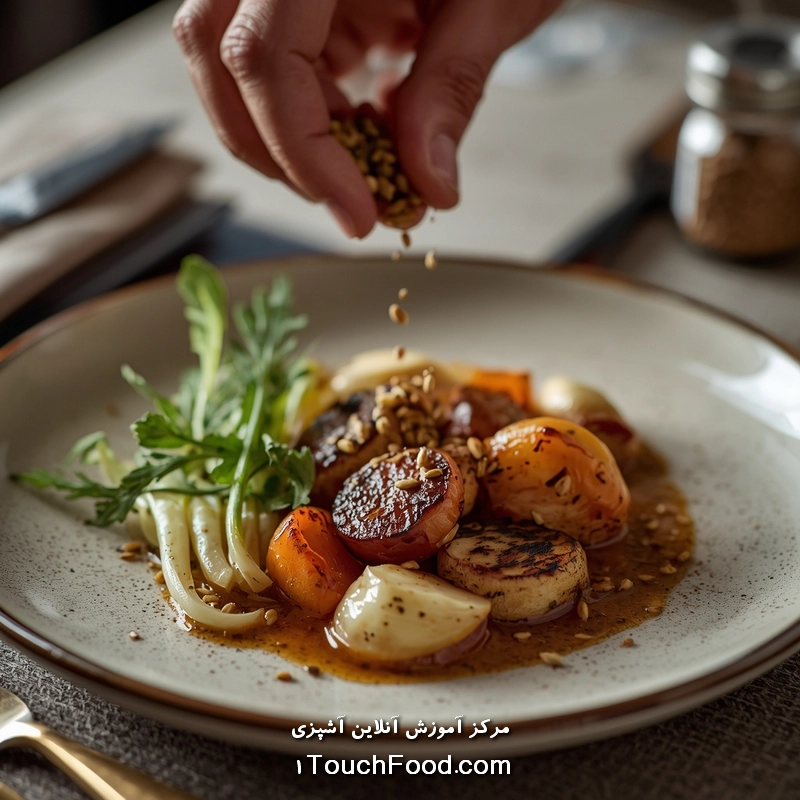
Dried fennel seeds can be used in spice blends. Its aroma is especially good with foods that have relatively mild flavors.
Fennel can be used in a variety of dishes to create a sweet, herbal flavor. For example, a small amount of its seeds can be interesting in some breads, vegetable dishes, or seafood dishes.
An important tip for using fennel in food
Fennel has a strong aroma. If you add too much at once, its sweet, herbal flavor may overpower the other flavors.
It's best to add a small amount at first, taste the food, and increase the amount if needed. This simple tip will make the fennel flavor in the food pleasant, not overpowering all the other flavors!
What is the difference between fresh fennel and fennel seeds?
The two come from the same plant, but the experience of eating them is not quite the same.
Fresh fennel , especially the bulbous part, has a crisp, juicy texture and can be eaten raw or cooked. Its flavor is aromatic and slightly sweet.
Dried fennel seeds are much more aromatic and spicy. They are mostly used to flavor food, make herbal teas, and produce some herbal products.
For this reason, when you see the name fennel in a recipe, be sure to check whether the author is referring to the dried seeds or the fresh part of the plant.

What should we pay attention to when buying fennel?
If your goal is to use it for food, the quality and freshness of the seeds has a big impact on the final aroma.
When buying, it is better to pay attention to the following:
- The seeds have a natural, fragrant smell.
- The product should not show any signs of moisture or mold.
- The packaging should be intact and the product specifications should be clear.
- Purchase the product from a trusted seller.
- If you are shopping for herbal tea, check the information about the type of product and its ingredients.
Spices that have been sitting in a cabinet for a long time may still be usable, but their aroma will usually diminish over time.
Is fennel suitable for everyone?
Not necessarily. Just because an herb is natural doesn't mean it's safe for everyone in any amount.
People who are allergic to fennel or similar plants should use with extra caution. The EMA has also listed allergic skin or respiratory reactions as a possible side effect of fennel products.
Also, the medicinal use of fennel during pregnancy and breastfeeding is not a matter that should be decided arbitrarily. The EMA has issued a general caution for fennel medicinal products in these situations due to the lack of sufficient data.
If you are taking certain medications or have an underlying condition, it is best to consult a doctor or pharmacist for regular and medicinal use of fennel products.
Is fennel the same as cumin?
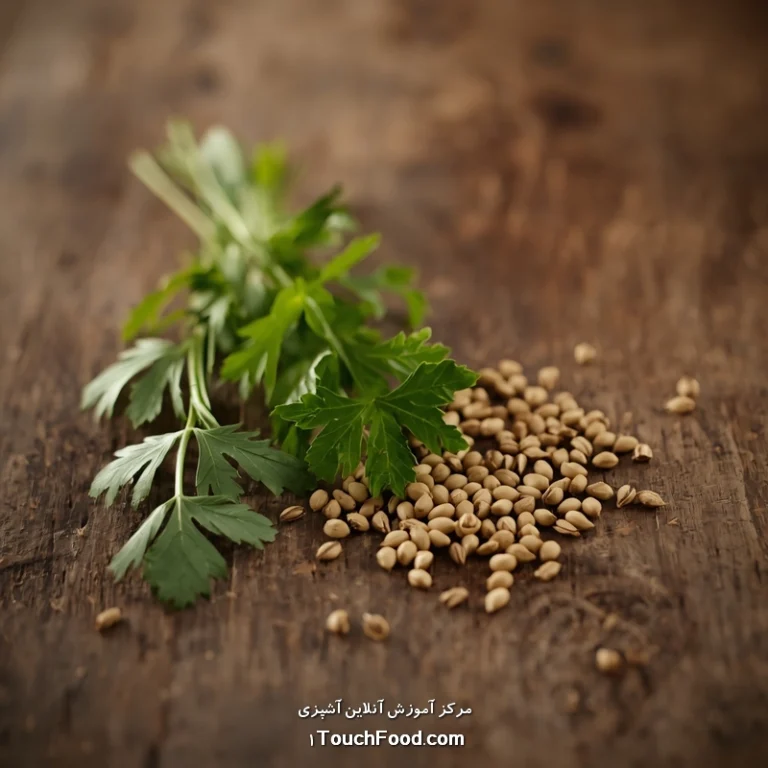
No. Fennel and cumin are two different plants, and their seeds also have a different appearance and aroma.
Fennel usually has a sweeter, licorice-like aroma, while cumin has a distinct warm, earthy, and spicy aroma. The seeds may look similar, but they are not the same botanically or in flavor.
What is the best way to store fennel?
It is best to store fennel seeds in a tightly closed container, away from moisture, direct light, and high heat.
Placing it next to the stove may be convenient for access, but it's not ideal for preserving the aroma of spices. A cool, dry cabinet is a better option.
If the aroma of the seeds is almost gone, using more is not always a good solution, as it may only increase the volume of the spice without creating a fresh and desirable aroma.
Is fennel useful for reducing bloating in adults?
Fennel fruit preparations have traditionally been used in European herbal medicine for mild digestive symptoms such as bloating and gas. However, this use does not mean that every type of bloating or abdominal pain will be relieved with fennel.
If bloating recurs on a regular basis or is accompanied by severe pain, unexplained weight loss, vomiting, bleeding, or a significant change in bowel habits, it is best to have the cause checked by a doctor rather than self-treating.
Frequently asked questions
What is fennel and what are its uses?
Fennel is an aromatic plant of the genus Foeniculum, the seeds of which are used in cooking, making spices, and making teas. Fennel fruit preparations have also been used traditionally for some mild digestive complaints such as bloating and gas.
Is fennel tea good for bloating?
Fennel fruit tea has been used traditionally for mild digestive symptoms such as bloating and gas. This is not meant to cure all types of bloating, and if symptoms persist or are severe, it is important to investigate the underlying cause.
Is fennel tea suitable for babies?
Fennel tea or medicinal products should not be given to infants on their own. The EMA does not recommend the use of sweet fennel fruit products in children under 4 years of age due to a lack of sufficient information on safety.
What does fennel taste like in food?
The flavor of fennel in food is usually sweet, warm, and aromatic, and can be reminiscent of licorice. A small amount can provide a nice aroma, but too much can overpower the flavor.
Are fennel and anise the same?
No. Fennel and anise are two different plants, but both have a sweet, licorice-like aroma. This similarity in aroma is why the two plants are sometimes confused with each other.

Conclusion
Now, if someone asks you again what fennel is , you don't have to just say it's a fragrant seed! Fennel is a well-known herb with a distinctive aroma, its seeds are used in cooking, spices, and teas, and it also has a history of traditional use for some mild digestive upsets.
It is important to distinguish between regular food consumption and medicinal or concentrated consumption. Caution is especially important for infants, young children, pregnant women, and people with allergies or underlying medical conditions.
If you have an interesting experience using fennel in food or tea, write to us in the comments section. Maybe your experience is the little tip that another reader has been looking for for a long time.
We have brought you the introduction of cooking radio again. We have reviewed the benefits, a guide to starting listening, and important points in choosing cooking radio programs. Don't forget to check out One Touch Food's Instagram page . Be sure to send us your comments and suggestions.
Prepared on: 1TouchFood cooking site
Don't forget that you can also use food calories to find out the calories in other ingredients.