
What is Parmesan cheese?
If you've ever had a plate of Italian pasta, you probably remember the distinct aroma and flavor of Parmesan cheese—that hard, aromatic cheese that suddenly makes the dish taste a whole lot better when grated over pasta. But what exactly is Parmesan cheese, and what sets it apart from regular cheeses?
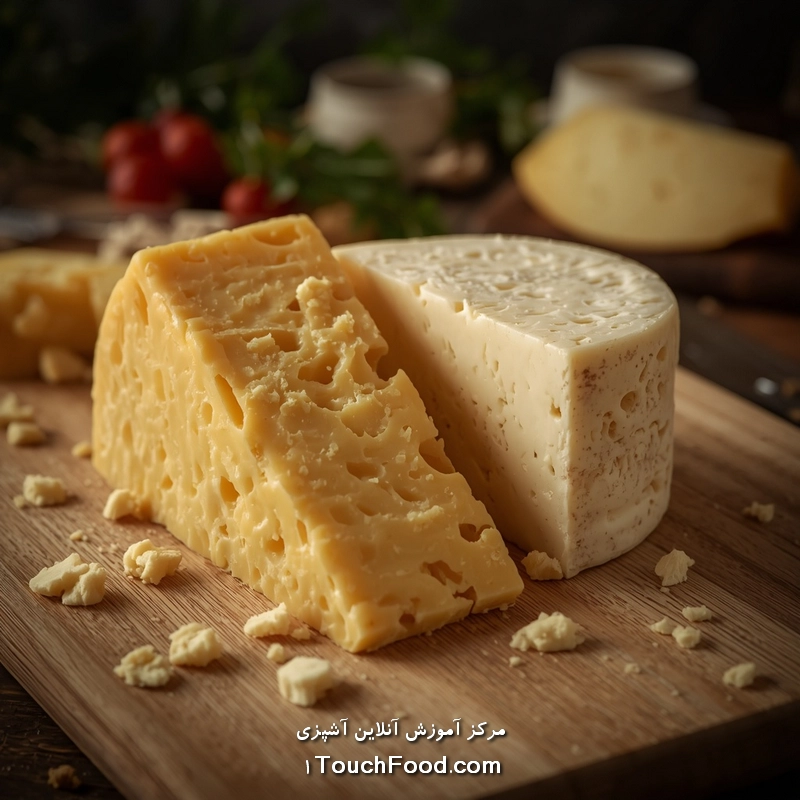
Parmesan cheese is a hard, aged Italian cheese with a deep, salty, slightly sweet, and nutty flavor that is made from cow's milk and is aged for months to several years to achieve the right aroma and texture. The most famous genuine variety is Parmigiano Reggiano, which is produced in a specific region of Italy under strict rules.
What is Parmesan cheese and why is it so popular?
When we talk about Parmesan cheese, it's best to make one thing clear from the start. There are many different types of hard, grated cheeses on the market that carry the name Parmesan, but Parmigiano Reggiano is a product with a Protected Geographical Indication (PGI) and must be produced according to specific standards.
This cheese usually has a hard, grainy, and brittle texture. The longer it is aged, the deeper the flavor and the drier and more crystalline the texture becomes.
If we were to simply say what Parmesan cheese is, we could consider it a hard, aged Italian cheese that is mostly used for grating, cooking, adding flavor to food, and even eating in pieces.
The interesting thing is that Parmesan is not just a cheese for pasta. It can be used in salads, soups, risottos, sauces, baked goods, and even with fruit and honey.
What milk is Parmesan cheese made from?
Genuine Parmesan is made from cow's milk. Only a few main ingredients such as milk, salt, and rennet are used in the production of Parmigiano Reggiano, and according to the official standard, no additives or preservatives are added.
The milk used is also part of the cheese's identity. In the production area, the feeding of the cows and the storage conditions of the milk are subject to specific regulations to preserve the specific characteristics of the product.
So if you're wondering what Parmesan cheese is and how it differs from regular hard cheese when you're shopping, the answer isn't just about taste. The place of production, the type of milk, the method of preparation, and the length of time it's aged all play a role in the cheese's final characteristics. Also learn how to make Shrimp with Spinach and Parmesan Cheese.

How is Parmesan produced and aged?
The production of Parmesan is not a quick and immediate process. Milk is converted into curds in the cheesemaking process, and then the curds are shaped under special processes. After being shaped, the cheeses are salted and transported to special warehouses to reach their final state.
The minimum ripening period for Parmigiano Reggiano is around 12 months, but many examples are aged for longer. There are also examples aged 24, 30, 36 months, and even older.
This time period is not just a number on the package. As the ripening time increases, the structure and aroma of the cheese changes. Proteins are broken down into smaller components during this process, which plays a role in the final flavor and texture.
What does 12-month-old Parmesan taste like?
Younger varieties tend to have a milder flavor and a softer texture than very old Parmesan. Their aroma can be more subtle and they are a good choice for salads, snacks, and light dishes.
What are the characteristics of 24-month-old Parmesan?
Cheese aged for around 24 months is usually a popular choice for everyday consumption. Its texture becomes more granular and crumbly, and its flavor strikes a good balance between saltiness, milkiness, nuttiness, and a deep cheese flavor.
For using Parmesan in pasta, risotto, and Italian dishes, this type is usually a very good choice.
What is the difference between 30 and 36 month-old Parmesan?
As the ripening period increases, the cheese becomes drier, more crumbly, and more aromatic. Its flavor is also usually more serious and complex.
Older examples can also be served in pieces. Combining it with honey, fruit, or some nuts can create an interesting experience.
What is the difference between Parmesan and Pecorino?
One of the most common questions when buying Italian cheese is the difference between Parmesan and Pecorino. The two cheeses are similar in appearance and use, but there is one key difference between them: genuine Parmesan is made from cow's milk, while Pecorino Romano is made from sheep's milk.
This difference has a great impact on their taste and aroma.
| Property | Parmesan | Pecorino Romano |
|---|---|---|
| Valve type | گاو | Sheep |
| Texture | Hard and grainy | Stiff and dense |
| Taste | Nutty, deep and balanced | Saltier, faster and stronger |
| Common use | Pasta, risotto, salads and all kinds of food | Strongly flavored pasta, sauces, and Italian dishes |
| Minimum maturity of the original type | 12 months | Depending on the type, from several months to more |
If your dish calls for a subtle, balanced flavor, Parmesan is usually a milder choice. If you're looking for a spicier, saltier flavor, Pecorino can be a more appealing choice.
Of course, these two cheeses are not always rivals. In some Italian dishes, they can even be combined to create a more complex flavor.
What is the use of Parmesan in pasta?
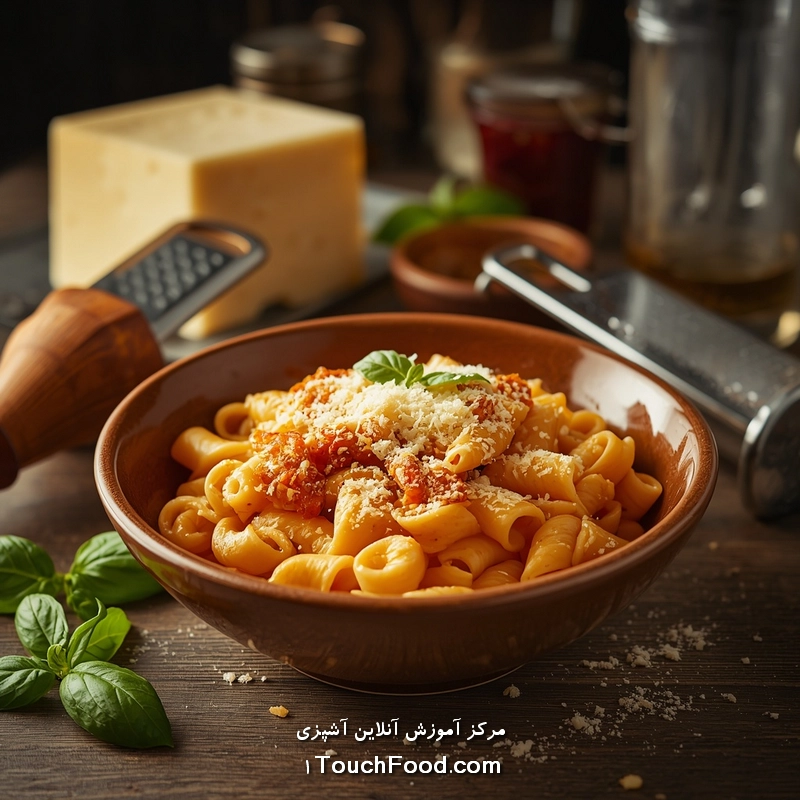
When the word Parmesan comes to mind, pasta is probably the first food that comes to mind for most of us. And for good reason. Parmesan can add significant flavor to a dish without using a lot of it.
Parmesan's use in pasta is not limited to grating the cheese over a prepared dish. Grated cheese can be used in sauces, in some pasta ingredients, or when serving.
For best results, grate the Parmesan just before serving if possible. Freshly grated cheese usually has a better flavor and texture than pre-made cheese powder.
Another practical tip is that too much heat can ruin the texture of some sauces, which is why some pasta dishes add cheese at the end to help it blend better with the sauce.
What dishes is Parmesan used in?
Now that we know what Parmesan cheese is, it's time to step away from pasta for a moment. This cheese has many more uses in the kitchen.
These include:
- Pasta and Italian sauces
- Risotto
- Various soups
- Salad
- Grilled or baked vegetables
- Gratin dishes
- Pizza
- Eggs and omelets
- Types of foods containing chicken
- Homemade sauces
- Flavored bread and crackers
- Serve in pieces with fruit and honey.
Even if your dish isn't exactly Italian, a little bit of Parmesan can make it taste more appealing. It's one of those foods where sometimes a little bit goes a long way.
Why are there white grains on some Parmesan?
If you look at a piece of stale Parmesan, you may see tiny white dots or grains inside. In most cases, this appearance is not a sign that the cheese has gone bad.
In ripened Parmesan, tyrosine crystals can form in the cheese's texture. These crystals are the result of protein changes during the ripening process and are more common in older cheeses.
So, not every small white spot should be mistaken for mold. Of course, if the cheese has an unnatural odor, extensive mold, or obvious and unusual changes in appearance, it's a different matter and it's best not to consume it.
What should we pay attention to when buying Parmesan?
If you're buying Parmesan for the first time, don't just look at the name on the package. A few simple tips can help you make a better choice.
1. Check the type of cheese
If you are looking for the authentic product, check the product name and logo carefully. Parmigiano Reggiano is the specific name of a cheese with a Protected Geographical Indication.
2. See the arrival time
The age of a cheese affects its flavor and texture. For everyday consumption, samples aged around 24 months are a great choice. For a stronger flavor, you can go for older cheeses.

3. If possible, buy cheese in slices.
A single slice of cheese is usually a good option for longer storage. Plus, you can grate it to your desired size whenever you need it.
4. Pay attention to the smell of the cheese.
Good Parmesan should have a distinct, appetizing aroma. An unusual, foul smell can be a sign that the product is unsuitable.
How to store Parmesan?
How you store Parmesan depends on the form you purchased it in. A large piece of cheese, grated cheese, and an unopened package are not all the same.
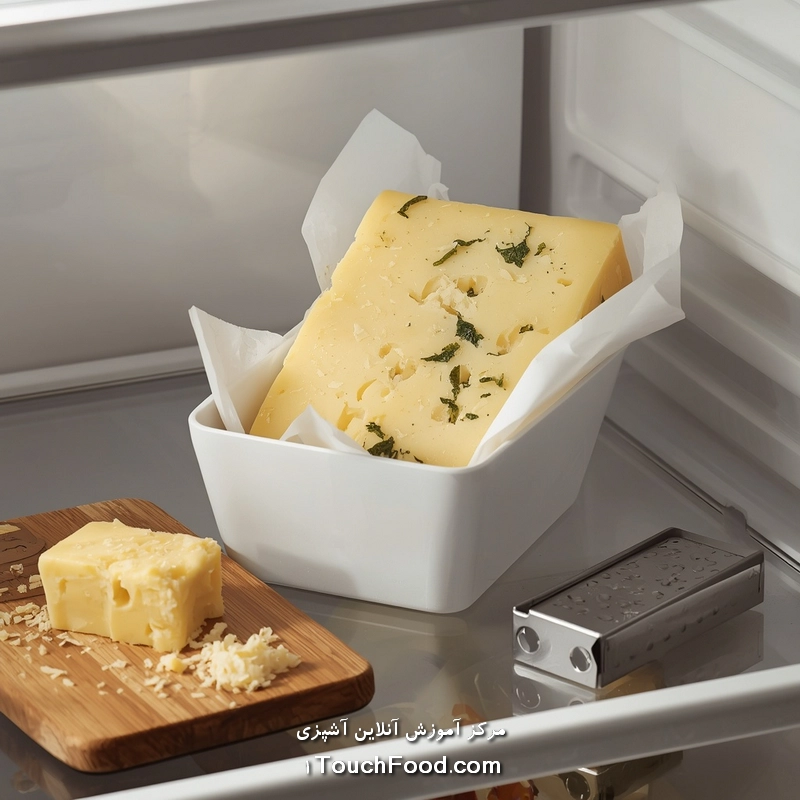
It is generally best to store Parmesan in the refrigerator and in a well-sealed container. Prolonged exposure to air can cause the surface of the cheese to dry out too much and reduce its flavor.
If you have opened the package, cover the cheese well and place it in the appropriate part of the refrigerator. For large pieces, proper, breathable packaging can help preserve the quality of the cheese.
One important thing to remember when storing Parmesan is to avoid grating a large amount of cheese at first. Grated cheese has more surface area to air and tends to go bad faster.
If you have a lot of cheese, it's best to divide it into convenient pieces and take out only the amount you need at a time.
Can Parmesan be frozen?
In some cases, Parmesan can be frozen, especially if you plan to use it in baked goods. However, freezing may affect the texture of the cheese.
For eating cheese in chunks, proper refrigeration is usually a better choice. But if you plan to use the cheese in sauces, soups, or hot dishes, the slight change in texture after freezing is usually less important.
Should we throw away the Parmesan rind?
Not necessarily.
The hard outer part of Parmesan, called the rind or cheese rind, is not very suitable for eating directly, but it can be used in cooking.
Some cooks add a piece of clean cheese rind to soups or sauces to release more flavor. So if the cheese rind is clean and food-safe, it's not necessarily something to throw away.
However, you should note that the coating or non-edible materials on some products may not be suitable for consumption, so check the packaging information before use.
Is Parmesan the same as pizza cheese?
No. Parmesan and melting cheeses have two different uses.
Pizza cheeses are usually used to create elasticity and meltiness, but Parmesan is mostly added to the dish to create a deep flavor, aroma, and taste.
Of course, Parmesan can be used in some pizzas, but it is usually not intended to be a complete replacement for pizza cheese.
Is Parmesan only good for Italian food?
originally.
Although the cheese's origins and main fame are related to Italian cuisine, its deep flavor has allowed it to be used in a variety of dishes.
For example, you can sprinkle a little Parmesan on roasted vegetables, soups, or salads. Even combining it with eggs or potatoes can be delicious.
The secret is to choose the right amount of cheese for your dish. Parmesan isn't supposed to cover up all the other flavors; it's supposed to complement them.
Is Parmesan better or Grana Padano?
This question comes up a lot when shopping. Both are hard Italian cheeses and have many similarities, but they are not the same product.
Parmigiano Reggiano has a more limited production area and specific production regulations. Grana Padano is also a PGI cheese, but its production area and some requirements are different from Parmesan.
Culinary-wise, both can be used for grating on pasta and many Italian dishes. The choice between them largely depends on the desired flavor, ripening time, and budget.
Does Parmesan taste too spicy?
The intensity of Parmesan's flavor depends on how long it has been ripened. Younger examples are usually milder, while older cheeses have a deeper, drier, and more complex flavor.
If you're trying Parmesan cheese for the first time, a medium-ripened version is a good choice. This type is usually not so mild that you can't smell the cheese, and not so strong that it's strange to novice palates.
Some interesting facts about Parmesan
Now that we know the answer to what Parmesan cheese is, let's review a few short and interesting points:
- Parmigiano Reggiano requires at least 12 months of maturation.
- Many of the samples on the market are about 24 to 36 months old.
- Authentic Parmesan is made from cow's milk.
- The main ingredients of Parmigiano Reggiano include milk, salt, and rennet.
- Tyrosine crystals can be seen in ripened cheeses.
- The more cheese ripens, the drier and more brittle its texture usually becomes.
- Parmesan is not just for pasta, it is also used in soups, salads, risottos, and baked dishes.
- Pecorino Romano is made from sheep's milk and usually has a saltier and spicier flavor.
Frequently asked questions
What is Parmesan cheese?
Parmesan cheese is a hard, mature Italian cheese, usually made from cow's milk. It has a grainy texture, a strong aroma, and a deep, nutty flavor, and is used in dishes such as pasta, risotto, salads, and soups.
What is the difference between Parmesan and Pecorino?
Real Parmesan is made from cow's milk, but Pecorino Romano is made from sheep's milk. Pecorino usually has a saltier, pungent flavor, while Parmesan can have a more balanced, nutty, and deep flavor.
What is the use of Parmesan in pasta?
Parmesan is used to add aroma, saltiness, and depth of flavor to pasta. It can be grated over ready-made pasta or used in some sauces and pasta dishes.
How to store Parmesan?
Parmesan should be stored in the refrigerator and properly wrapped to minimize its contact with air. To maintain quality, it is best to keep a piece of cheese and grate it only when needed.
Are white grains on Parmesan a sign that it's gone bad?
Not necessarily. White tyrosine crystals may form in mature Parmesan, which is part of the cheese's ripening process. However, extensive mold, an unnatural odor, or any obvious, unusual changes should be taken seriously.

Conclusion
Now, if someone asks you what Parmesan cheese is, you can safely answer: a hard, mature Italian cheese whose main art is to add flavor and depth to food.
Good Parmesan isn't just for pasta. It can enhance a simple soup, add character to a salad, sit alongside fruit and honey, or add a tangy flavor to a baked dish.
If you're torn between Parmesan and Pecorino, remember that the milk used and the final flavor are different. If you want the cheese for everyday consumption, paying attention to the ripening period and storage method can make a significant difference.
If you have any interesting experiences using Parmesan, such as what food you like to use it with the most, let us know in the comments section. Your suggestion might be someone's next delicious meal idea!
We have brought you the introduction of cooking radio again. We have reviewed the benefits, a guide to starting listening, and important points in choosing cooking radio programs. Don't forget to check out One Touch Food's Instagram page . Be sure to send us your comments and suggestions.
Prepared on: 1TouchFood cooking site
Don't forget that you can also use food calories to find out the calories in other ingredients.
Nutritional data source: FoodData Central – USDA