The difference between virgin and refined olive oil
Short answer: The difference between virgin and refined olive oil is in the production method, aroma and flavor, the amount of natural ingredients, and their use in cooking. Virgin olive oil is produced by mechanical methods without chemical refining and usually retains more of the olive aroma and antioxidant compounds. Refined olive oil, through industrial processes, has a milder flavor and aroma and is suitable for people who want a more neutral oil.
Have you ever stood in front of a store shelf to buy olive oil and wondered between several different bottles? One labeled virgin, one extra virgin, and one refined. You may have wondered which one is better for salads and which one is better for frying.
The truth is, choosing the right oil isn't just about price or color. If you know the difference between virgin and refined olive oil, you'll be able to more easily choose an oil that will both match your cooking style and meet your expectations in terms of quality and flavor. Let's break it down with some practical examples, without the complicated jargon.
What is the difference between virgin and refined olive oil?
The most important difference between these two oils is related to the production method and the amount of changes that are made to the oil during the preparation process.
Extra virgin olive oil is obtained from the olive fruit by mechanical means. It does not use chemical refining processes to remove odor, color, or taste. For this reason, the natural characteristics of the olive remain largely intact in the product.
In contrast, refined olive oil is usually obtained from oil that requires refining due to its original quality, undesirable aroma, or certain chemical characteristics. The refining process can reduce compounds that cause unpleasant odors and flavors, but it also reduces some of the oil's beneficial and natural compounds.
Comparison table between virgin and refined olive oil
| Property | Virgin olive oil | Refined olive oil |
|---|---|---|
| Production method | Mechanical extraction | Initial extraction and then purification |
| Flavor | Distinctive and olive-like | Softer and more neutral |
| Phenolic compounds | Usually more, depending on quality | Usually less |
| the color | Varies from green to golden yellow | Usually more uniform |
| Common use | Salads, sauces, everyday use and mild cooking | Controlled baking and frying, depending on product specifications |
| Price | Dependent on quality and grading | Usually more economical in some products |
| Heat tolerance | Dependent on quality and freshness | Depends on the type of product and temperature conditions. |
Don't forget one important point: not all virgin oils are of the same quality, and not all refined oils exhibit the same characteristics. The type of olive, the conditions of harvest, storage, and production process all affect the final quality.

What is the difference between virgin, extra virgin and refined olive oil?
Sometimes you'll see words like virgin, extra virgin, and refined on a bottle of olive oil. These terms aren't just marketing names, and they indicate distinct differences in quality and processing methods.
What is extra virgin olive oil?
Extra Virgin Olive Oil is one of the highest quality grades of olive oil. It is extracted by mechanical methods and must meet specified chemical and sensory criteria to be classified in this category, including a free acidity of no more than 0.8 percent, based on oleic acid.
Free acidity is not the same as the amount of sourness felt on the tongue. So, if an oil tastes sharp or bitter, it does not necessarily have high acidity. The mild bitterness and pungency in extra virgin oil can come from the natural compounds of the olive.
What is extra virgin olive oil?
Virgin olive oil is also obtained by mechanical methods, but may not meet the criteria for extra virgin in terms of sensory and chemical characteristics. It still has the natural aroma and flavor of the olive and can be a good choice for everyday use.
What is refined olive oil?
Refined olive oil is refined through industrial processes, including authorized physical and chemical methods, to reduce some of its undesirable characteristics. The result is usually an oil with a milder flavor and fewer phenolic compounds.
In stores, a product labeled "olive oil" may be a combination of refined olive oil and some virgin oil, so it's best to read the ingredients list and description on the label in addition to the product name.
Uses of extra virgin olive oil; where to use it?
If you love the aroma and flavor of olives, extra virgin oil can be one of the most versatile ingredients in your kitchen. You don't have to save it just for salads; of course, the type of food and the heat intensity matter a lot.
For salads and fresh vegetables
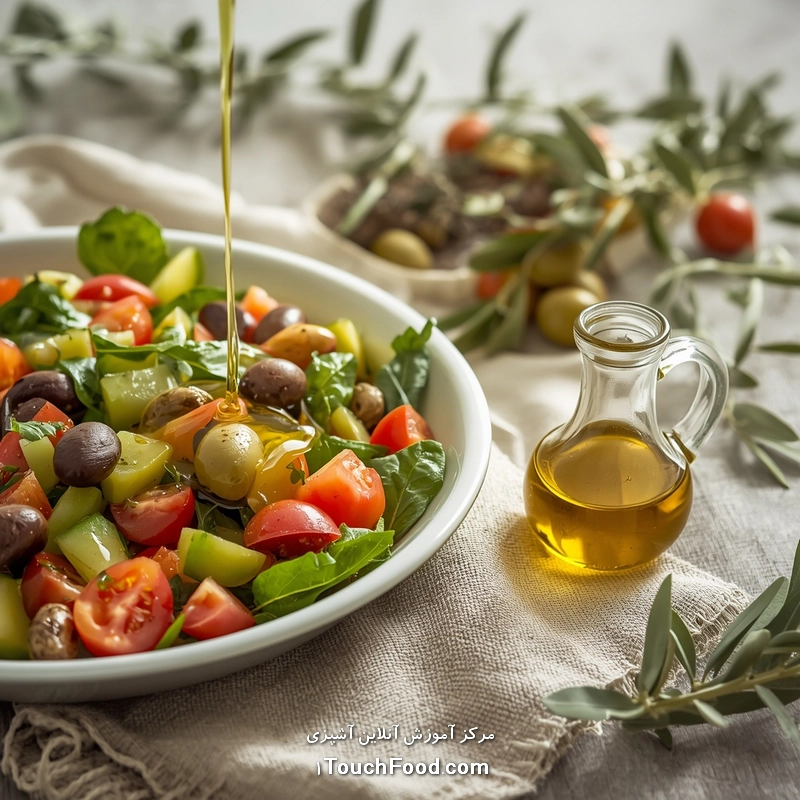
One of the best uses for extra virgin olive oil is in salad dressings. Its fruity aroma, mild bitterness, or natural tang can complement the flavors of fresh vegetables, tomatoes, cucumbers, and cheese.
For example, a little extra virgin olive oil mixed with lemon juice, black pepper, and a pinch of salt makes a simple and flavorful dressing. In this case, the oil is not heated and its aromatic qualities are better felt.
For daily cooking
It is also possible to use extra virgin olive oil to gently sauté vegetables, cook eggs, or prepare some homemade dishes. It is important not to overheat the oil and allow it to smoke.
If you are using olive oil for cooking, its quality and freshness are important. Oil that has been exposed to light and heat for a long time may have lost some of its aroma and quality.
To add flavor to ready-made food
A simple trick is to add a small amount of extra virgin olive oil to soup, cooked beans, or steamed vegetables after cooking. This way, the aroma of the oil is better felt and you don't have to expose all of the oil to heat.
What is the smoke point of olive oil and why is it important?
The smoke point of olive oil is the temperature at which the oil begins to produce visible smoke under certain conditions. This number is not the same for all olive oils and depends on the grade of the oil, the free fatty acid content, quality, freshness, and the conditions of measurement.
For extra virgin olive oil, the smoke point is often reported to be in the approximate range of 190 to 210 degrees Celsius, but this range is not fixed or guaranteed. Refined oils may have a higher smoke point, as refining can reduce the amount of free fatty acids and some impurities.
However, smoke point is not the only criterion for choosing an oil for cooking. Oxidative stability, fatty acid composition, heating time, and actual cooking conditions also matter.
Is extra virgin olive oil suitable for frying?
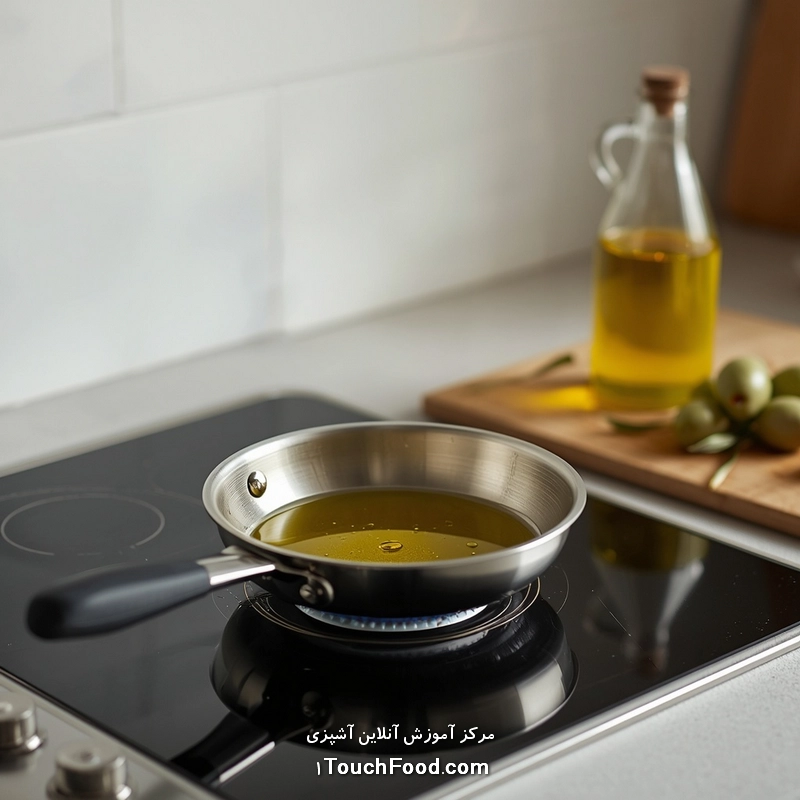
Yes, virgin and even extra virgin olive oil can be used for many common home cooking and frying methods, provided that the oil is used at the appropriate temperature and does not reach the smoking stage.
To make a better choice, consider these tips:
- For short-term sautéing and frying, high-quality olive oil can be a good option.
- For deep and long frying, the type of oil, operating temperature, and duration of use become more important.
- Oil that smells burnt or smokes continuously should not be left on the heat.
- Reusing frying oil too many times reduces its quality.
As a result, it cannot be said that refined oil is always healthier or that extra virgin oil is always the best choice for any type of frying. The cooking method and the conditions of use are decisive.
Is virgin olive oil more nutritious than refined olive oil?
Both types of olive oil are composed primarily of fat, with a significant portion of their fat being oleic acid, a monounsaturated fatty acid. The more important difference lies in the minor constituents such as polyphenols, tocopherols, and some aromatic substances.
Extra virgin olive oil, because it is unrefined, usually retains a higher amount of natural phenolic compounds. These compounds have been studied in nutritional research for their antioxidant properties. However, their levels vary with the type of olive, the time of harvest, the extraction method, and storage.
Refined oil can also be a good source of unsaturated fats, but the refining process usually reduces some of the minor compounds. So, choosing a high-quality extra virgin oil for cold consumption or light cooking can be a good way to get more of the natural compounds.
One key point is that "more natural" does not mean that it does not need to be consumed in moderation. Olive oil, like other oils, should be used in proportion to dietary needs and daily intake.
Tips for buying real olive oil; how to make a safer choice?
It's not always possible to identify quality olive oil by looking at the bottle. The dark green color, golden color, or thick appearance of the oil alone does not prove its authenticity.
To make a better purchase, remember a few practical tips.
1. Read the product label carefully
The packaging should clearly state the type of oil, the manufacturer's name, ingredients, production and expiration dates, and product traceability information. If the product is sold as extra virgin, note that its quality grade must comply with relevant standards.
2. Pay attention to the packaging
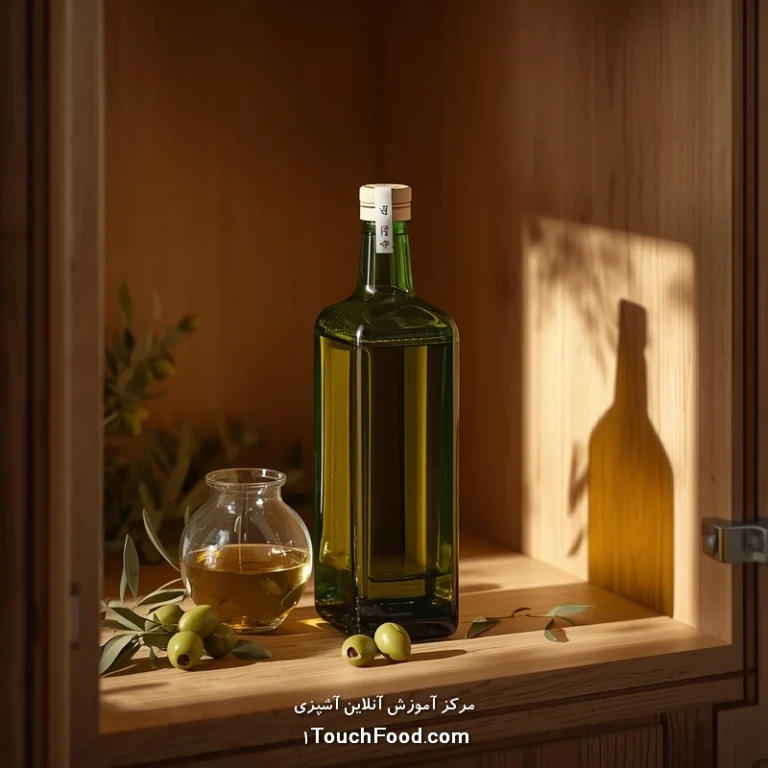
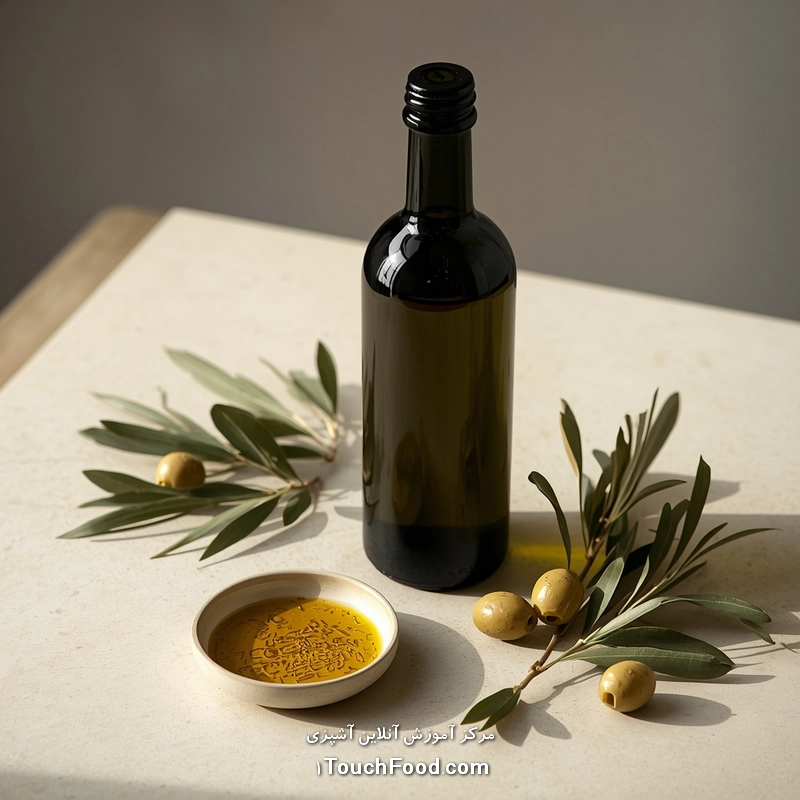
Light and heat can degrade the quality of olive oil, so a dark glass bottle or appropriate, light-shielding packaging is a better choice than a clear container kept in direct sunlight.
After purchase, store the oil in a cool place away from light, stoves, and windows. Close the bottle tightly after use.

3. Check the smell and taste
High-quality extra virgin olive oil can have an aroma reminiscent of fresh fruit, grass, or olive leaves. A mild bitterness and a sharp sensation in the throat may also be normal.
Conversely, a musty, pungent, and unpleasant odor similar to old oil or a musty smell can be a sign of poor quality or improper storage. Of course, sensory examination alone is not enough to prove authenticity.
4. Don't just rely on oil paint.
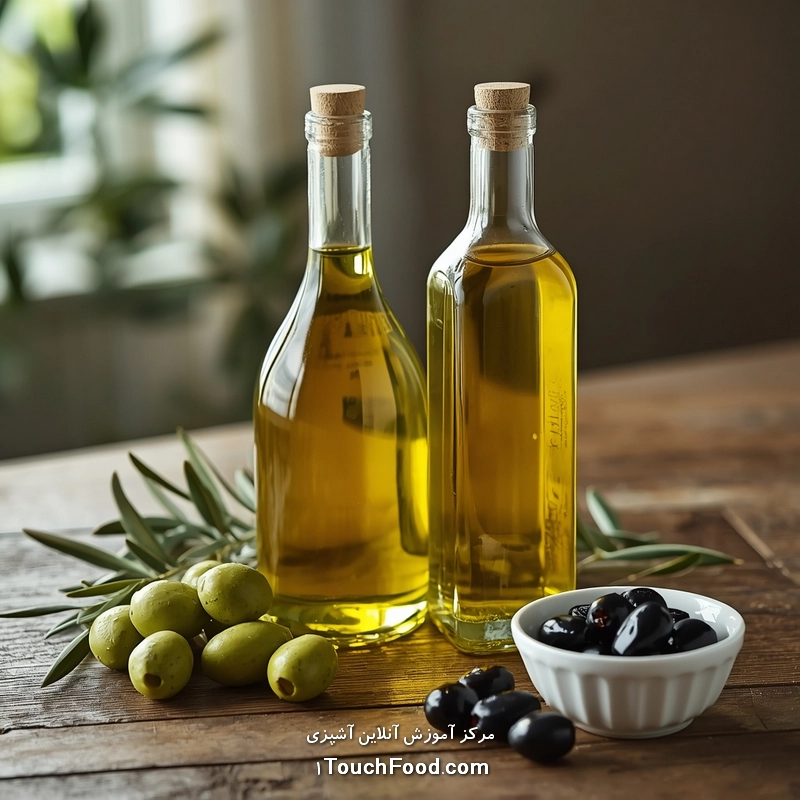
Olive oil can range from green to golden yellow. This difference is related to the olive variety, the ripeness of the fruit, and the production conditions, and does not in itself indicate which oil is more authentic or of higher quality.
5. Take unusual pricing seriously.
Producing quality olive oil requires proper raw materials, harvesting, extraction, packaging, and storage. A very low price compared to similar products can be a reason to investigate further, but a high price does not guarantee authenticity either.
If you care about product authenticity, go for a reputable manufacturer, a traceable seller, and a product with clear information. Valid tests can help detect counterfeits or determine quality, something that can't be reliably done by looking at the bottle.
Is extra virgin olive oil a better choice for all foods?
Not necessarily. The choice of oil should be in harmony with the expected flavor and cooking method.
If you want the olive flavor to be prominent in your food, extra virgin oil is an attractive choice. This is a plus for salad dressings, cooked vegetables, and dishes where the oil is added at the end of cooking.
But if you don't want the olive aroma to overpower the flavor of your food, refined olive oil may be more suitable. Its mild flavor is useful for some cakes, everyday baking, and dishes that require a less aromatic oil; of course, you need to consider the recipe and the product's characteristics.
Instead of assuming one type of oil is best for all situations, it's better to choose according to the type of food, heat intensity, and your taste.
Common Misconceptions About Olive Oil
Several misconceptions prevent people from making the right decisions when buying or using olive oil.
- Every vegetable oil is original: Color alone is not a measure of authenticity.
- Extra virgin oil should not be heated at all: This oil can be used for many home cooking methods, provided the proper temperature is maintained.
- Refined oil has no nutritional value: This oil still contains unsaturated fats, although its specific natural compounds may be less.
- The sharper the oil, the higher its quality is definitely: Bitterness and pungency can be natural characteristics of oil, but they alone do not determine quality.
- Olive oil never spoils: Olive oil is also vulnerable to oxygen, light, and heat, and its quality deteriorates over time.
Frequently Asked Questions About the Difference Between Virgin and Refined Olive Oil
1. What is the main difference between virgin and refined olive oil?
Extra virgin olive oil is produced by mechanical methods and retains more of the olive's natural aroma and compounds. Refined oil, through industrial processes, acquires a milder taste and smell, and usually some of its phenolic compounds are reduced.
2. Is extra virgin olive oil suitable for frying?
Yes, extra virgin olive oil is suitable for frying and many home cooking methods. For best results, use controlled heat and do not allow the oil to smoke continuously.
3. What is the smoke point of extra virgin olive oil?
The smoke point of extra virgin olive oil is usually reported to be in the approximate range of 190 to 210 degrees Celsius, but the actual value depends on the quality and composition of the oil. This number alone is not sufficient to determine the suitability of the oil for frying.
4. Is green a sign of genuine olive oil?
No. Genuine olive oil can be green, yellow or golden. To make a more confident choice, check the label, the producer's reputation, storage conditions and, if necessary, valid test results.
5. How to store virgin olive oil?
Store olive oil in a sealed container, away from direct light and heat sources. Close the bottle tightly after each use to reduce the oil's contact with air.
Conclusion: Should we buy virgin olive oil or refined?
Now that you know the difference between virgin and refined olive oil, the choice becomes easier. If you care about the olive's natural aroma and the preservation of phenolic compounds, a high-quality extra virgin oil is a good choice for salads, sauces, and many everyday dishes. If you want a milder flavor or prefer the aroma of the oil not to overpower the taste of the food, refined olive oil can also be useful.
Ultimately, the quality of the product, how it is stored, and how it is used are as important as its name. When buying, don't just look at the color or price, but read the information on the label carefully.
Do you usually use olive oil for salads or for cooking? Write your experience in the comments section so that other cooking enthusiasts can benefit from your experience.
We have brought you the introduction of cooking radio again. We have reviewed the benefits, a guide to starting listening, and important points in choosing cooking radio programs. Don't forget the One Touch Food Instagram page . Be sure to send us your comments and suggestions. Don't forget that you can also use food calories to know the calories of other ingredients.
Prepared on: 1TouchFood cooking site