The difference between marmalade and jam
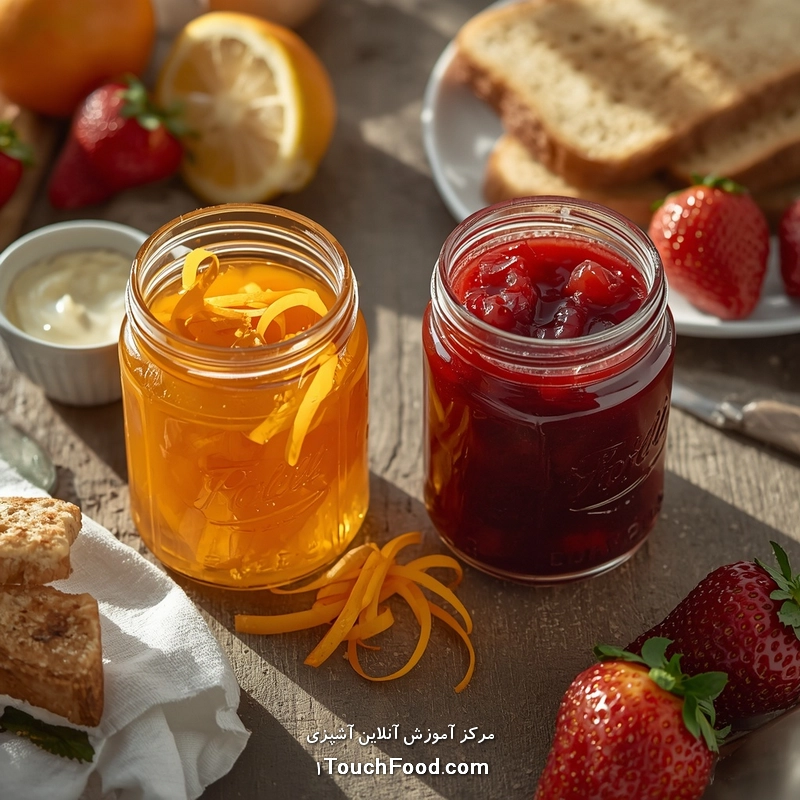
The difference between marmalade and jam is determined by the type of fruit preparation, the size of the fruit pieces, the final texture, and the method of use. Jam is usually made from whole, halved, or chopped fruit, and the pieces of fruit are visible; however, marmalade has a smoother, more uniform texture, and the fruit is pureed or finely chopped. Both products are made with fruit and sweetener, but the type of fruit, the degree of chopping, and the method of preparation change their appearance and use.
Have you ever been torn between a jar of colorful jam and a soft marmalade when shopping for breakfast? They may both be made with oranges, strawberries, or apricots, but when you spread them on bread, the difference is clear. If you want to know which one is better for breakfast, cake, pastries, or even dessert, let's get to know these two delicious treats in more detail.
What exactly is the difference between marmalade and jam?
The most important difference between marmalade and jam is the texture and shape of the fruit in the final product. Jam usually retains some of the original shape of the fruit, while marmalade has a soft, fine-grained, or almost puree-like texture. Of course, this difference is not always absolute, and the method of preparation of each product can change the result.
For example, in cherry jam you usually find whole or pitted cherries with a sweet syrup. In contrast, cherry marmalade has a more uniform texture and spreads easily on the surface of bread.
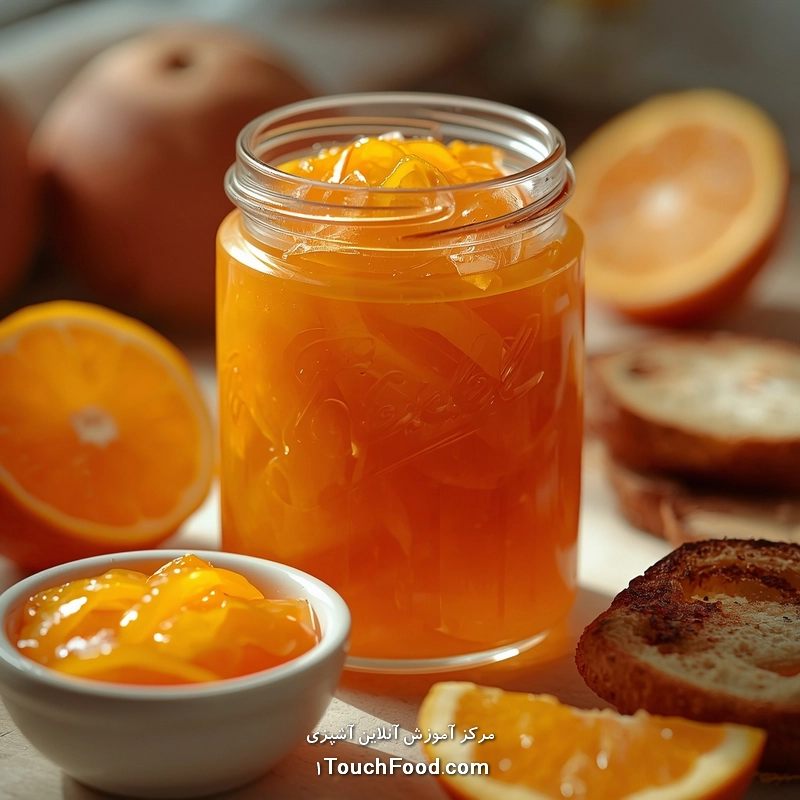
Orange marmalade is another well-known example of this family. Many varieties contain fine pieces of orange peel, which enhance the citrus flavor. Therefore, marmalade is not necessarily a perfectly smooth puree without particles.
Marmalade and Jam Comparison Table
| Property | Jam | Marmalade |
|---|---|---|
| Texture | Usually has distinct pieces of fruit | Soft, fine-grained, or relatively uniform |
| Fruit shape | Often preserved | Usually crushed or crushed |
| Syrup | In many varieties, the syrup is seen separately. | Usually has a thick, spreadable texture. |
| Common use | Breakfast, with bread and some desserts | Breakfast, middle layer of cake and pastries |
| Common fruits | Cherries, cherries, carrots and strawberries | Oranges, apricots, strawberries and various citrus fruits |
| Feeling when eating | It is possible to feel pieces of fruit. | Has a softer and more uniform texture |
This chart shows typical differences, not a hard and fast rule. For example, strawberry jam may be quite crumbly, while apricot marmalade may have some fruit texture.

What is marmalade and what are its properties?
Marmalade is a sweet fruit product that is usually made by crushing, mashing, or cooking fruit. The result is a product with a soft, thick texture that is easy to spread on bread, biscuits, or cake layers.
Marmalade is popular in many countries, especially in the citrus variety. Orange marmalade, with its sweet, sour, and slightly bitter flavor combination of orange peel, is one of the best-known examples.
What are the ingredients of marmalade?
The ingredients of marmalade depend on the type of fruit and the method of production. However, a few main ingredients are found in many homemade and industrial products:
- Fruit: Oranges, apricots, strawberries, peaches or other fruits.
- Sugar: To create sweetness, help form texture, and increase shelf life under appropriate conditions.
- Water: If needed, to adjust consistency and aid in cooking.
- Pectin: A gelling agent that occurs naturally in some fruits or is added to the product during production.
- Lemon juice or edible acid: It is used in some recipes to adjust acidity and help gel formation.
- Citrus peel: In some types of marmalade, oranges and other citrus fruits are used to create a special aroma and flavor.
Not all marmalades contain all of these ingredients. For example, some fruits have enough natural pectin and do not need to be added. On the other hand, industrial products may contain other ingredients, such as acidity regulators, which are listed on the product label.
Why does marmalade have a soft, spreadable texture?
The size of the fruit pieces and the amount of gelling agent play a significant role in the texture of the marmalade. When we finely chop or crush the fruit, its particles are distributed throughout the product, creating a more uniform texture.
Pectin can also help form a jelly structure in the presence of the right amount of sugar and acidity. The extent of its effect depends on the type of fruit and preparation conditions.
A practical note is that the consistency of marmalade when hot is not a completely accurate measure of the final texture. The product may become firmer after cooling. Therefore, thickening it too much during cooking can take the result away from being smooth and spreadable.
What is jam and what are its properties?
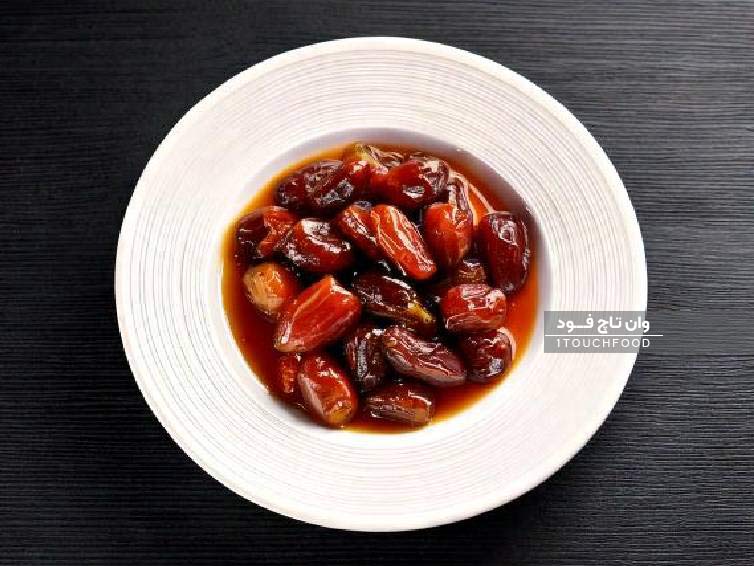
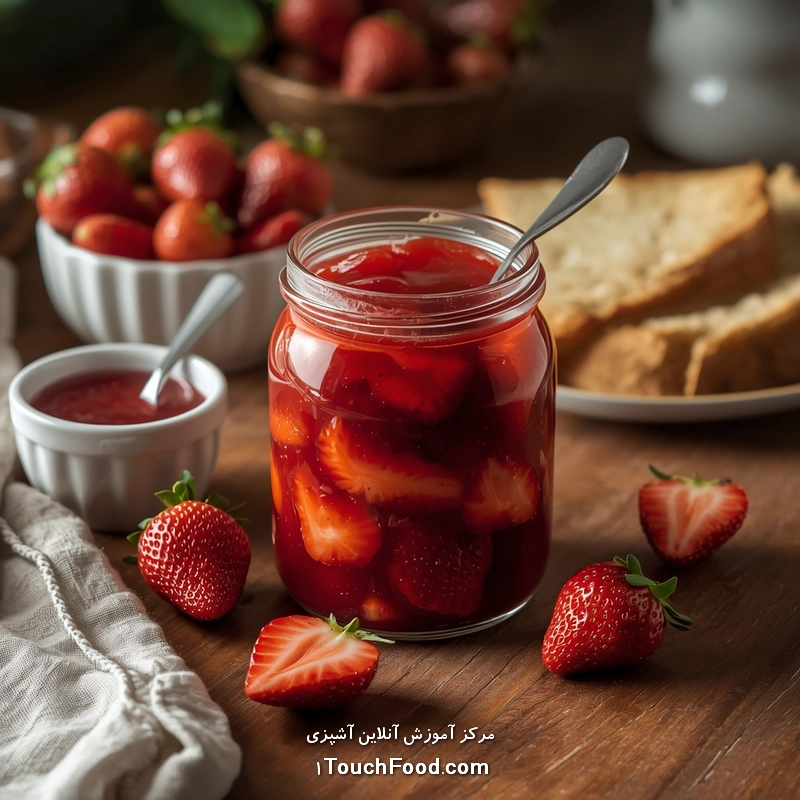
Jam is a popular food on Iranian tables, prepared by cooking fruit or some edible vegetables with sugar. In many types of jam, the fruits retain their appearance and are placed in a sweet and fragrant syrup.
Berries, carrot jam, cherry jam, and strawberry jam are some of the familiar examples of this delicacy. Each has its own texture and characteristics. For example, in berries, the pieces of fruit are usually distinct, but carrot jam may be prepared in slices, grated, or other shapes.
What should the texture of homemade jam be like?
The texture of homemade jam depends on the type of fruit, its ripeness, the size of the slices, and the cooking time. In jams that preserve fruit pieces, it is best for the pieces to be well-shaped and not overly crushed.
A good jam doesn't necessarily have to have a very thick syrup or completely firm fruit. The balance between the texture of the fruit and the syrup is more important.
To evaluate the texture of homemade jam, consider these points:
- The fruit pieces should be appropriate for the type of jam and retain their shape as much as possible.
- The syrup should not be so thin that the product becomes watery.
- Excessive concentration is also not desirable, as the syrup may become too stiff after cooling.
- The color of the jam should be appropriate for the type of fruit and its preparation method.
- The aroma and flavor of the fruit should be recognizable and there should be no burnt smell or unpleasant taste.
The important thing to note is that clarity, consistency, or color alone do not guarantee the health of the jam. For safe storage, attention should also be paid to the preparation method, cleanliness of the container, packaging conditions, and valid storage instructions.
Why do some jams have more syrup?
The amount of syrup depends on the type of fruit and the amount of water released during cooking. Some fruits release more water, while others naturally have a denser texture.
If the jam is too thin, it may not have been cooked enough or have a high liquid-to-fruit ratio. Conversely, prolonged heating and excessive evaporation of water can make the syrup too thick and damage the fruit's texture.
So when choosing jam, don't just look at the amount of syrup. A better criterion is the harmony of the syrup with the texture of the fruit and the characteristics of the jam itself.
The difference between raw materials and methods of making marmalade and jam
Both products are usually made from fruit and sugar, but the way the fruit is prepared makes a difference in their appearance and texture.
In jam making, fruit may be whole, halved, sliced, or chopped. The goal in many types of jam is for the fruit pieces to retain their shape to a reasonable degree during cooking.
In making marmalade, the fruit is usually chopped finely or mashed after it has softened. This makes the final product more suitable for spreading on bread or using in pastry layers.
The role of pectin in the thickening of marmalade and jam
Pectin is a type of natural fiber found in plant cell walls that can help form a gel. The amount varies from fruit to fruit. For example, some citrus fruits and apples are good sources of pectin, while some ripe fruits may have less pectin.
Therefore, the final concentration of the product does not depend solely on the amount of sugar. The type of fruit, the degree of ripeness, acidity, pectin and water content all play a role in the result.
Some marmalades use added pectin to improve the texture of the product. Some jams also use natural fruit pectin or require added pectin to achieve the desired consistency.
Is every marmalade without fruit pieces?
No. This is not entirely accurate. Some marmalades have a very smooth texture, but others contain small pieces of fruit or citrus peel.
Orange marmalade is a clear example of this difference. In some varieties, thin strands of orange peel are embedded in the jelly-like texture. These pieces are part of the product's appearance and flavor.
For this reason, to distinguish marmalade from jam, it is better to pay attention to the overall texture and method of fruit preparation, rather than simply based on the presence or absence of fruit pieces.
Using marmalade for breakfast and snacks
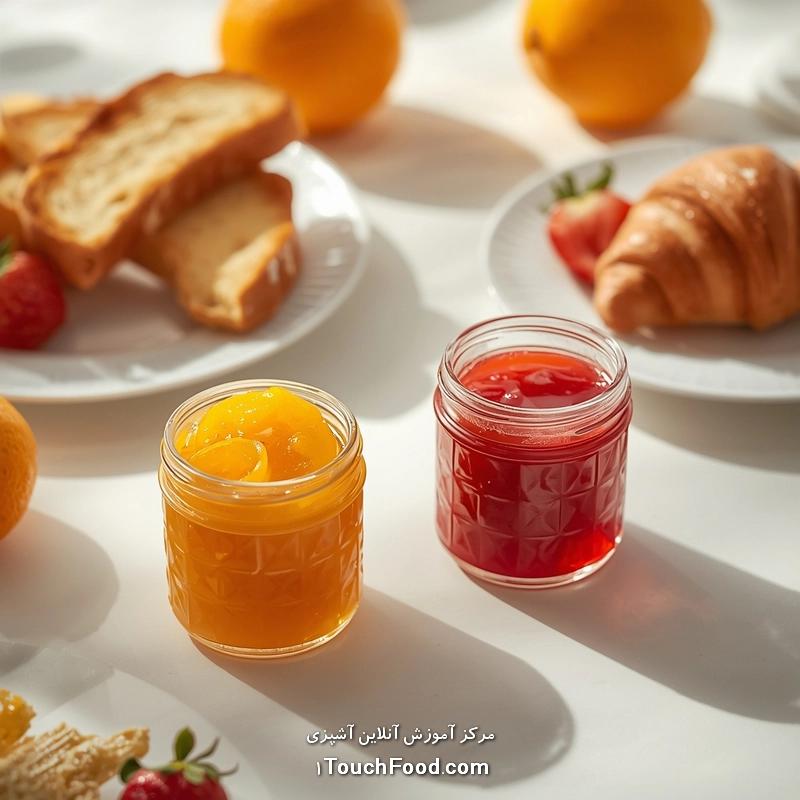
One of the reasons marmalade is so popular is its ease of use. The soft texture of marmalade helps it spread easily on toast, bagels, croissants, and biscuits.
Marmalade's uses for breakfast aren't limited to spreading it on bread. You can use it to flavor plain yogurt, accompany pancakes, or create a delicious layer on sweet sandwiches.
Some simple ideas for using marmalade include:
- Toast and butter: Combining orange or apricot marmalade with a little butter makes a delicious breakfast.
- Pancakes and waffles: Pour marmalade over the pancakes instead of some of the sweet syrups.
- Plain yogurt: A small amount of marmalade can give yogurt a fruity flavor.
- Cakes and pastries: Use marmalade for the middle layer of a cake or to cover the surface of some pastries.
- Croissants and soft breads: The spreadable texture of marmalade makes it easy to use in these treats.
If you want to add a touch of citrus to your breakfast, orange marmalade is a good choice. For a milder, fruitier flavor, apricot marmalade is also a good option.
What foods is jam best suited for?
Jam is perfect for those who like to feel pieces of fruit when eating. This feature is especially attractive in sour cherry, cherry, fig and strawberry jams.
Of course, the uses of jam are not limited to breakfast. Some people use jam alongside cheese, in homemade pastries, or to decorate desserts.
Some common uses of jam include:
- Serve with bread and cheese for breakfast or dinner.
- Serve with butter and warm bread.
- Adding a small amount of jam to some simple desserts.
- Serving fresh fruit jam alongside traditional sweets.
- Using jam in some sweets, provided that the amount of syrup and moisture is compatible with the texture of the sweet.
For example, cherry jam with distinct fruit pieces can add an attractive look and texture to a simple breakfast. Conversely, marmalade is usually easier to use if you're looking to evenly coat the surface of bread.

Is marmalade healthier than jam?
It cannot be said that marmalade is always healthier than jam or vice versa. The nutritional value of each product depends on the raw materials, the amount of added sugar, the amount of fruit, and the method of production.
Some marmalades are made with a lot of sugar, and some jams have similar ingredients. Therefore, the product name alone is not a good yardstick for comparison.
When buying packaged products, it's a good idea to read the ingredients list. The percentage of fruit, the amount of sugar, the type of sweetener, and the presence of additives can all influence your choice.
If you are making homemade marmalade or jam, keep in mind that reducing the sugar may affect the consistency and shelf life of the product. For long-term storage, use a proven recipe and proper packaging methods, and don't rely solely on the appearance or smell of the product.
How to choose high-quality marmalade and jam?
To choose a good product, first think about the type of fruit and its intended use. If you want a soft, spreadable product, marmalade is a good choice. If you like chunks of fruit, jam will probably be more to your taste.
Consider the following when purchasing:
- Check the ingredients list. Look at where the fruit is located and what sweeteners or additives have been used.
- Know the expected texture. Marmalade should be spreadable according to its type, and jam should maintain a texture appropriate to its fruit.
- Pay attention to the packaging. A damaged lid, leak, or unusual packaging can be a sign of a problem.
- Read the storage conditions. After opening the container, follow the storage instructions on the label.
- Don't just pay attention to the color. The color of the product depends on the type of fruit, the degree of ripeness, and the production method, and does not alone determine the quality.
For homemade products, use a clean, dry spoon and store the container in a suitable location according to the storage instructions. Do not use the product if you notice mold, unusual odors, leaks, or signs of spoilage.
Frequently Asked Questions About the Difference Between Marmalade and Jam
1. What is the main difference between marmalade and jam?
The main difference between marmalade and jam is the texture and size of the fruit pieces. Jam usually has distinct pieces of fruit, but marmalade is often smoother and more uniform. Of course, some marmalades also have small pieces of fruit or citrus peel.
2. Is marmalade the same as mashed jam?
Not always. Marmalade usually has a smooth, thick texture, but its ingredients and preparation method can be different from jam. Some types of marmalade use pectin to create a jelly-like texture, and some types also contain citrus peel.
3. Is marmalade or jam better for breakfast?
The choice depends on your taste and the type of use you want. Marmalade is great for spreading on toast, croissants, and pancakes; jam is a great choice for those who like chunks of fruit.
4. What ingredients does marmalade contain?
Marmalade ingredients usually include fruit and sugar, and some varieties also use water, pectin, lemon juice, or citrus peel. The exact composition depends on the type of fruit and the method of production. Check the label of a packaged product to find out what its ingredients are.
5. Can marmalade be used instead of jam in a cake?
Yes, marmalade can be used instead of jam in many cakes and pastries. Marmalade is suitable for the middle layer of cakes and for covering the surface of pastries due to its soft texture. However, the moisture and sweetness level of the product must be in accordance with the pastry recipe.

Conclusion: Marmalade or jam, which should we choose?
Now that you know the difference between marmalade and jam, it's easier to choose between these two delicious treats. Jam is usually characterized by its distinct pieces of fruit and syrup, while marmalade has a softer, spreadable texture. Of course, the type of fruit and the method of preparation can change these characteristics.
If you're looking for a breakfast product that's easy to spread on bread or use in cakes and pastries, marmalade is a good option. If you enjoy seeing pieces of fruit in a sweet syrup, jam could be your favorite choice.
Which do you like more: orange marmalade with its pleasant citrus aroma or homemade jam with delicious pieces of fruit? Write your experience and taste in the comments section and if you found this article useful, share it with your friends who are interested in cooking.
We have brought you the introduction of cooking radio again. We have reviewed the benefits, a guide to starting listening, and important points in choosing cooking radio programs. Don't forget the One Touch Food Instagram page . Be sure to send us your comments and suggestions. Don't forget that you can also use food calories to know the calories of other ingredients.
Prepared on: 1TouchFood cooking site