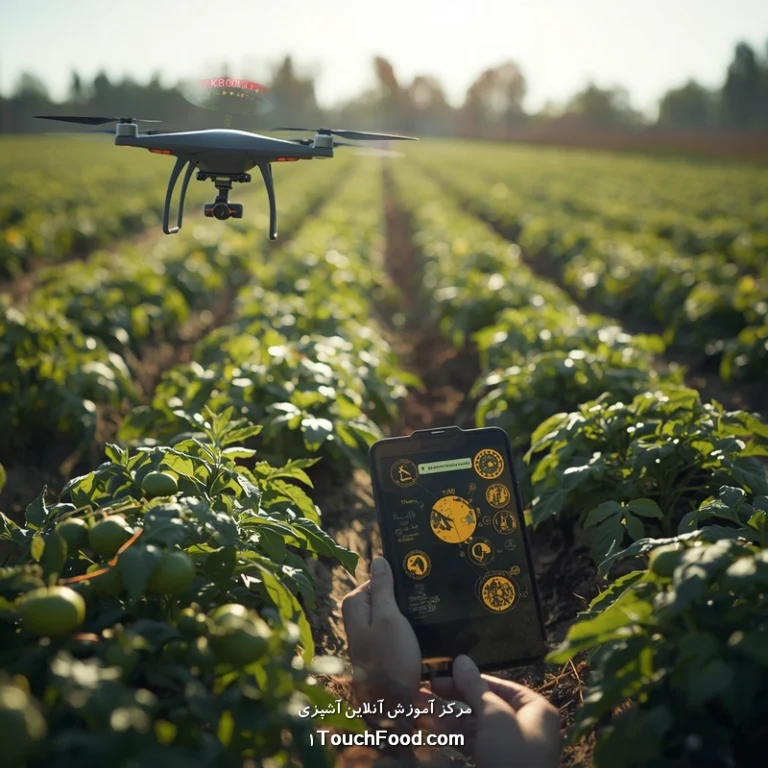
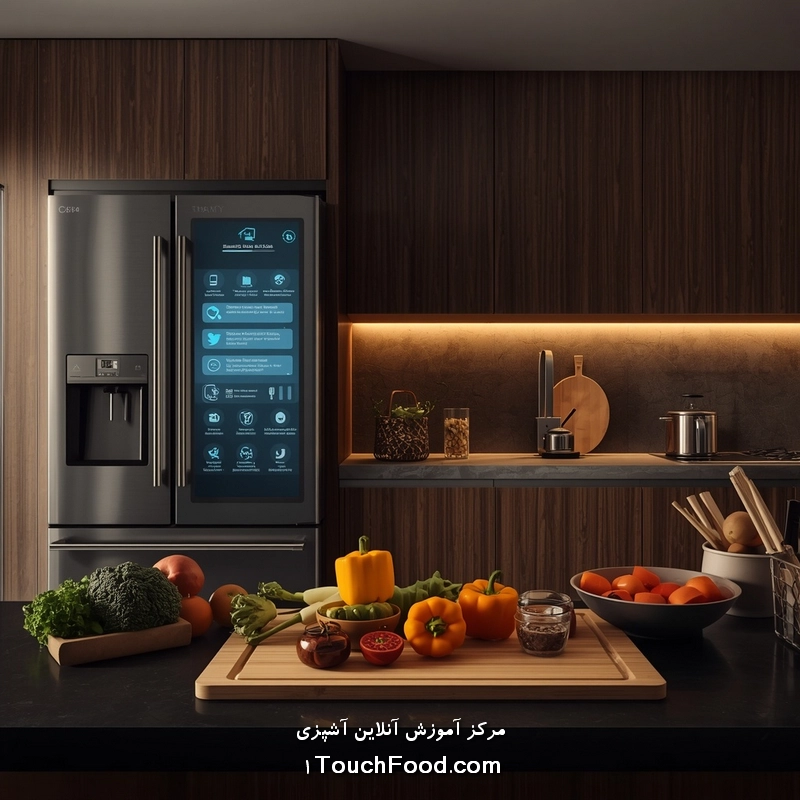
Smart kitchen and the future of food
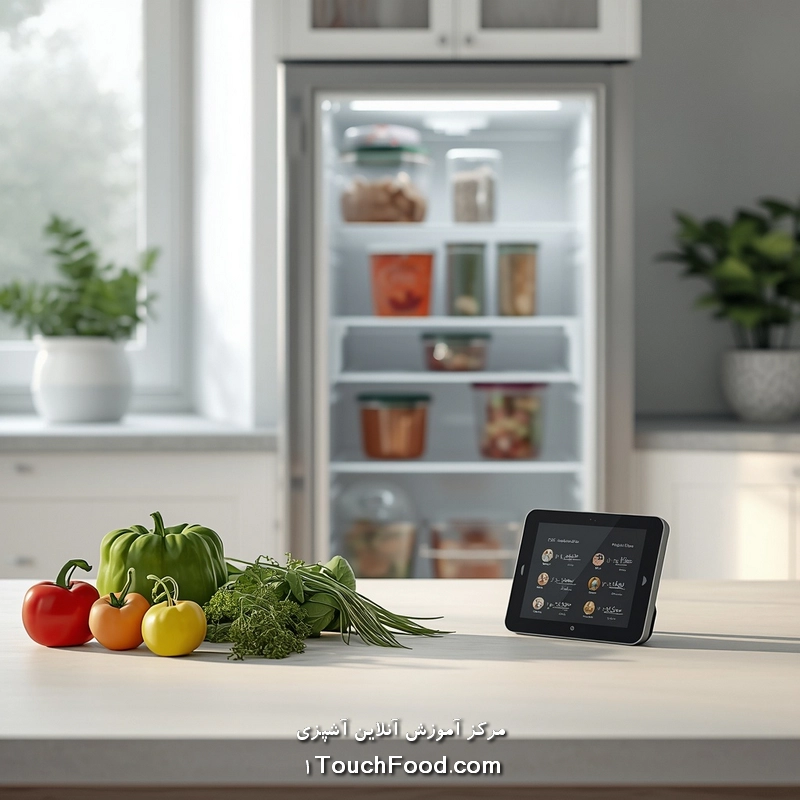
The smart kitchen and the future of food isn't just about touchscreen refrigerators or ovens that you can turn on with your phone; it's about a kitchen that can help us manage food, reduce waste, adjust cooking times, and simplify everyday tasks. With the combination of sensors, the Internet of Things, and artificial intelligence, some of the tasks that previously required constant reminders and control are now automated. But do these technologies really make cooking better? And do we have to pay a lot to have a smart kitchen?
The short answer is that smart kitchens make it easier to manage food and equipment by connecting appliances, collecting data, and using smart software. This technology can help with meal planning, more precise temperature control, better storage of ingredients, and less time wasted; of course, the end result depends on the quality of the equipment, how it is used, and adherence to safety and hygiene principles.
What is a smart kitchen and how does it work?
A smart kitchen is a space where a number of appliances, sensors, and software are connected to each other to make certain tasks easier. This connection may be established via Wi-Fi, Bluetooth, or smart home communication networks.
For example, imagine you’re out of milk in the fridge when you’re shopping. If your inventory management system has this capability and is up-to-date, you can check the status of your groceries before you head to the store. Or, when food is in the oven, the app can show you the time left on your phone.
Of course, not all smart appliances have this capability. Some can only be turned on and off remotely, while more advanced models can analyze sensor data or make recommendations based on the situation.
The main components of a smart kitchen
An intelligent system usually consists of several parts:
- Connected equipment: Such as refrigerators, ovens, dishwashers, and smart scales that can communicate with other devices.
- Sensors: To measure temperature, humidity, weight, water leakage or the open and closed status of doors.
- Software and applications: To view information, set schedules, receive alerts, and control devices.
- Communication network: To transfer information between equipment and a mobile phone or home control center.
- Data analysis system: To review information and make suggestions or automatically perform certain tasks.
Not all of these components are necessary in every kitchen. Sometimes installing a water leak sensor or using a remote-controlled oven is more practical than buying an expensive set of equipment.

Smart kitchen and the future of food; what changes await us?
When we talk about smart kitchens and the future of food, we're not just talking about convenience. This technology could also change the way we buy, store, prepare, and consume food. The extent of this change will depend on people's access to the technology, the cost of the equipment, and their level of trust in automated systems.
1. Better food management and reduced waste
One of the common problems in homes is that some food items are forgotten at the back of the refrigerator and we remember them when they are no longer usable. Inventory management systems can alleviate this problem to some extent.
In simple models, the user enters the purchase or expiration date of the food into an app. The system then reminds them when the expiration date is approaching. In more advanced models, a camera or sensor may help identify some items; however, there are still limitations to automatically recognizing all foods and determining their true freshness.
To make better use of this feature, you can:
- When shopping, record expired foods in a digital list.
- Prioritize foods that are close to their expiration date.
- Record leftover ingredients from the previous meal so they can be used for the next meal.
- Before buying, check the inventory of the refrigerator and cabinets.
It is important to note that expiration dates and storage conditions should not be changed solely based on software suggestions. Appearance, smell, and taste alone do not guarantee that a food is safe. It is still essential to follow storage instructions and hygiene principles.
2. More precise cooking with intelligent temperature control
Temperature control is one of the most useful areas of technology in the kitchen. Smart ovens can display the set temperature, the time remaining, and sometimes the appropriate program for the type of food. Some models use an internal temperature sensor or special probe to check the cooking status more accurately.
Say you're cooking chicken. Instead of relying solely on the color of the food's surface, you can use a proper food thermometer to check the internal temperature. This is especially important for delicate foods, as browning the surface doesn't necessarily mean the center of the food has reached a safe temperature.
However, internet connectivity alone does not make cooking more accurate. Sensor quality, device design, calibration, and proper program selection are also important. Follow manufacturer instructions and, for high-risk foods, use validated cooking safety testing methods.
3. Planning meals to fit your daily life
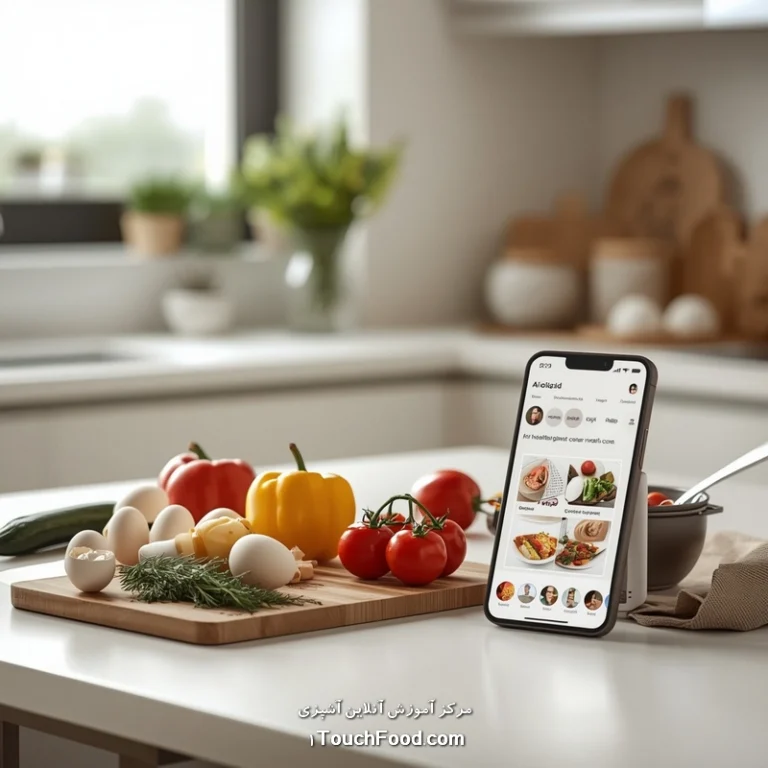
One interesting use of a smart kitchen is the link between food inventory and meal planning. The software can offer dinner suggestions or prepare a weekly shopping list based on the ingredients you have at home.
For example, if you have eggs, tomatoes, mushrooms, and some cheese at home, a meal plan can suggest a few simple options. A shopping list can also identify deficiencies if the ingredients for a complete meal are not available.
These suggestions are most useful when the user also enters their own restrictions and preferences, such as food sensitivities, budget, time available, and family size. However, the software's output should be reviewed. Automated suggestions may combine inappropriate ingredients or ignore nutritional restrictions.
4. Optimal use of energy and water
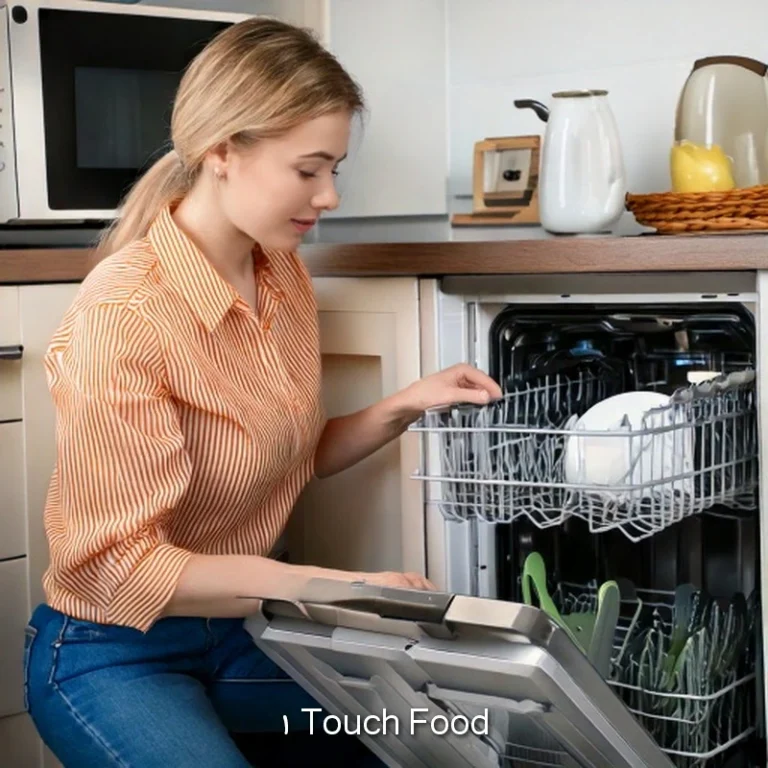
Dishwashers, refrigerators, and ovens are among the appliances that, if properly managed, can impact a home's energy consumption. Some connected models display usage or program runtime, allowing you to select more economical programs.
For example, you can turn on the dishwasher when it is loaded with a suitable amount of dishes, provided that this is consistent with the appliance's instructions and hygiene principles. A water leak alarm can also help identify a problem early and prevent further water waste.
However, being smart doesn't necessarily mean using less. A device with multiple digital capabilities may still use energy in standby mode. When comparing devices, consider the energy label, capacity, build quality, and actual usage patterns.
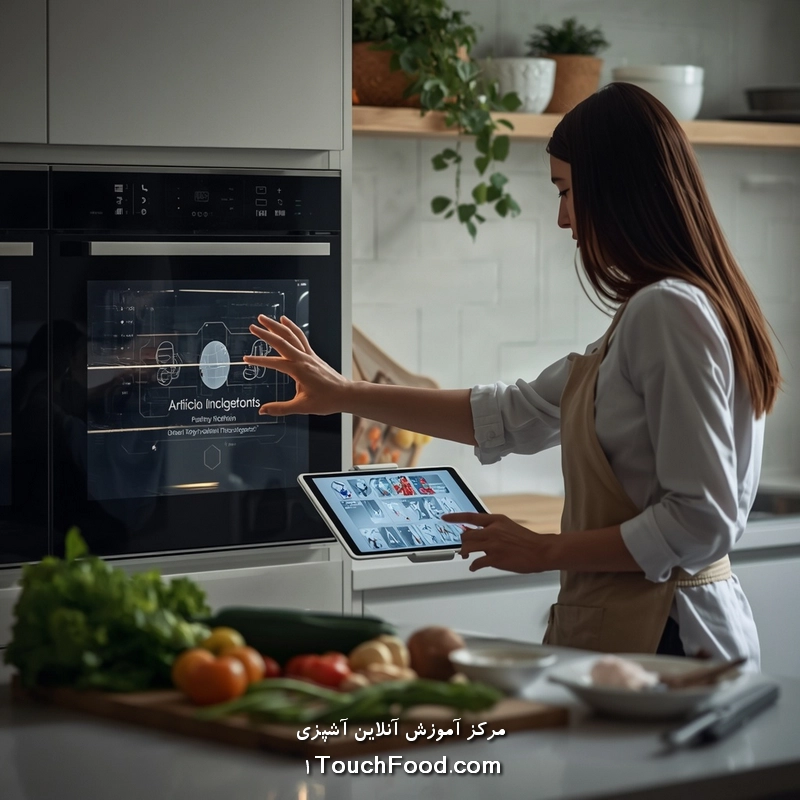
What role do home appliances connected to the Internet of Things play?
The Internet of Things (IoT) refers to a network of physical devices that, with the help of sensors, software, and network communications, can collect data or exchange information with other devices.
In the kitchen, IoT-connected appliances allow users to remotely view the status of the appliance, receive alerts, or change certain settings. For example, a refrigerator might notify you when the door is left open, and a dishwasher might notify you when the wash cycle is complete.
Application examples of connected devices
Smart refrigerator: Some models allow you to view the status of the appliance, receive temperature alerts, or manage your grocery list. The ability to automatically detect food items depends on the model and software.
Smart oven: May allow for program control, temperature adjustment, and viewing remaining time via an app. Some models have set cooking programs, but human supervision is still important.
Smart dishwasher: Can display the status of the wash cycle, report specific errors, or notify the user when the program is running.
Digital scales and thermometers: Make measurements more accurate and easier to record data. These tools don't necessarily require an internet connection, but connecting to software can make data easier to use.
Water and gas leak sensors: They can provide alerts when certain conditions are detected. These devices are not a substitute for standard installation, periodic servicing, or approved safety equipment.
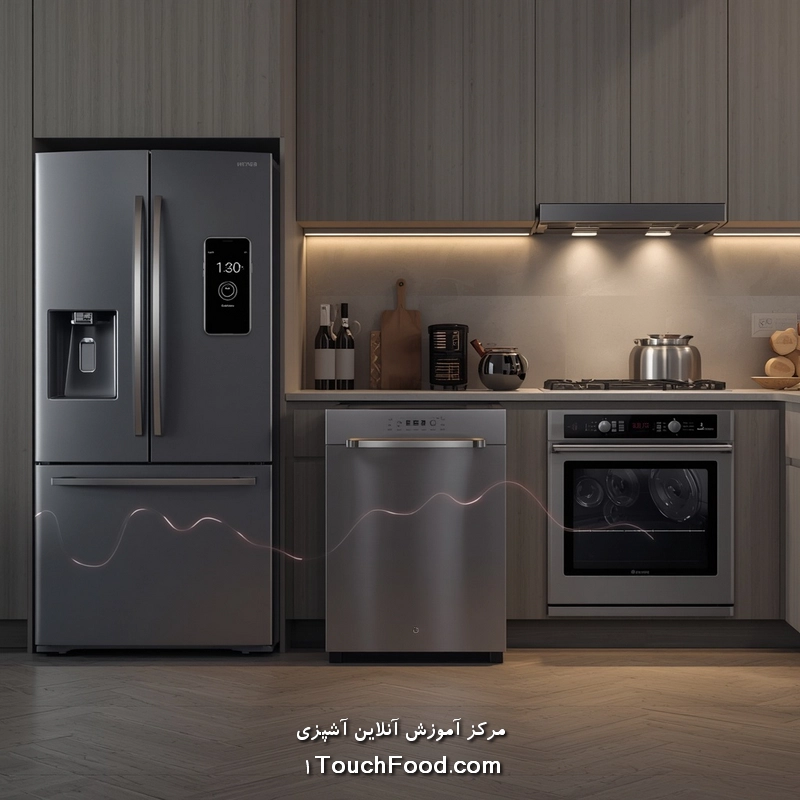
Smart kitchen equipment comparison table
| Device | Main application | Important point when buying |
|---|---|---|
| Connected refrigerator | Temperature alert and inventory management | Accuracy, capabilities and repair cost |
| Smart oven | Control the program and cooking time | Quality temperature control and safety features |
| Connected dishwasher | Cycle monitoring and receiving alerts | Water and energy consumption |
| Water leak sensor | Early detection of leaks | Installation location and type of alarm |
| Digital scale or thermometer | More accurate measurement | Measurement accuracy and ease of use |
Before you buy, determine what everyday problem you're trying to solve. If your main problem is forgetting to put food in the oven, a device with a reliable alarm is probably more practical than one with a big screen and features you'll never use.
What is the role of artificial intelligence in the kitchen?
IoT focuses more on connecting devices and transferring data; AI can use data to identify patterns, make predictions, or make recommendations. The two technologies are sometimes placed together in the same product, but they are not the same.
For example, a connected refrigerator might only report the internal temperature. If its software can monitor temperature changes and detect a potential problem, it has added intelligent analytics capabilities to the system. The accuracy of this prediction depends on the available data and the software design.
Food suggestions based on available ingredients
AI-powered apps can use ingredient lists to suggest meals. If you specify approximate quantities of ingredients, the number of people, and the time available, the system can suggest more appropriate options.
Of course, it is best to enter information about food sensitivities and important restrictions accurately and review the results before using them. No automated suggestions should be used as a substitute for professional nutritional advice or food safety guidelines without review.
Help with time management and repetitive tasks
AI can be useful for organizing shopping lists, reminding you of tasks, and suggesting meal timings. For example, the system might suggest ingredients to prepare multiple meals at once based on your weekly schedule.
This doesn't mean that the system can correctly guess every detail of your life or preferences. The more accurate and reliable the input information, the more likely the suggestions are to be useful.
Fault diagnosis and preventive maintenance
Some connected devices can report error codes, unusual changes, or potential service needs. In more advanced systems, data analytics can help identify unusual patterns.
However, a software warning alone is not a definitive diagnosis of a malfunction. If the device smells burnt, leaks, or exhibits unusual, dangerous behavior, remove it from service according to the manufacturer's instructions and contact a qualified repairer.
Does a smart kitchen mean fully automated cooking?
No. Most of today's smart kitchens are designed to assist the user, not completely eliminate human intervention. Devices can take over some of the temperature control, timing, status monitoring, and reminders; but selecting ingredients, detecting quality, adjusting flavor, and deciding on family needs still rely on human judgment.
Even in advanced equipment, automatic operation is limited by the type of food and the capabilities of the machine. An oven may have a special program for baking bread, but the quality of the result still depends on the raw materials, the size of the pan, the ambient conditions and the preparation method.
In fact, the proper goal of smart kitchens is not to make all the decisions for us. The goal is to reduce repetitive tasks and leave more time for the enjoyable part of cooking.
What will the future of smart kitchens look like?
The future of smart kitchens is likely to involve greater coordination between appliances, personalized software, and a more serious focus on resource consumption. However, the speed of deployment of these features will depend on cost, internet infrastructure, communication standards, and user trust.
1. Better coordination between different devices
One of the current challenges is that some devices are not compatible with each other. Your refrigerator, oven, and smart home system may each have separate programs and may not communicate easily with each other.
The development of common standards and better support for cross-brand connectivity could alleviate this problem. When buying, it's a good idea to check that the device is compatible with your current home network and systems and doesn't rely on a paid subscription or specific service to use core features.
2. Further personalize the cooking experience
In the future, software may be able to better tailor its suggestions to a family's daily schedule, food preferences, and budget. For example, the system could suggest a few dinner options based on available ingredients and available time.
But useful personalization requires control over information. The user needs to know what data is being collected, how it is being used, and whether it can be deleted or restricted.
3. Greater attention to environmental sustainability
Better food inventory management, water leak detection, and efficient consumption programs can all be part of the effort to reduce resource waste. These capabilities are most valuable when they lead to real changes in consumer behavior.
For example, an app that reminds you of the expiration date of food items is useful when the family adjusts their shopping and consumption plans accordingly. Simply installing an app or purchasing a connected device alone does not guarantee that food waste will be reduced.
4. Expanding tools to help different people
Voice control, easy-to-read displays, and customizable alerts can make using the kitchen easier for people with different needs. For someone who has difficulty moving their hands, the ability to control certain settings with their voice can be helpful.
Of course, a good design should also have fallback options. If the internet goes down or a software service becomes unavailable, it is best for the user to still be able to control the device's basic and secure functions in the usual way.

Advantages and limitations of smart kitchens
To make the right decision, it is best to look at both the benefits and the limitations. Technology is valuable when it solves a real need at an acceptable cost and complexity.
The most important advantages
- Save time with reminders and control some tasks remotely
- Ability to monitor the status of some devices and receive alerts
- Assist in planning the purchase and use of available materials
- More precise control over some settings, such as oven temperature
- Easier access to energy consumption information on supported devices
- Making some activities easier for people with limited mobility
Limitations that should be taken seriously
Initial cost: Smart appliances can be more expensive than conventional models. The cost of installation, repairs, and replacement parts must also be considered.
Privacy: Some products collect information about usage patterns, voice commands, or home status. Review the privacy policy and data sharing settings.
Cybersecurity: Connected devices can be at risk if they have insecure software or inappropriate updates. Strong passwords and regular updates are important.
Internet dependency: Some features don't work without the internet, while others can be used locally. Check this difference before purchasing.
Complexity of use: If the app is difficult to use or requires a lot of configuration, the device may be less likely to be used in practice.
How to build an economical smart kitchen?
To make your kitchen smarter, you don't have to replace everything at once. It's better to start with a specific need and then decide on further purchases after reviewing the results.
Give priority to the real problem.
If your main concern is water leaks, a smart sensor could be a more sensible choice than buying a smart fridge. If you tend to forget when to cook, a reliable timer or oven with an alarm might be all you need.
Check compatibility and performance without internet
Before you buy, ask what standard the device uses, whether it's compatible with your phone and network, and which features require an internet connection. Also, determine whether basic functions will still work if the internet is disconnected.
Calculate the actual cost.
Don't just consider the purchase price. The cost of electricity, consumables, repairs, software subscriptions, and access to after-sales service are also important. A device with fewer features but longer durability may be a more economical choice in the long run.
Take security seriously from the start.
- Choose a unique password for the device account.
- Keep equipment software and firmware up to date.
- Restrict unnecessary app access.
- Check your microphone, camera, and data sharing settings.
- Keep connected equipment away from public or unsecured networks.
Start with one or two devices.
To start, a water leak sensor, digital thermometer, or a device that provides reliable alerts is enough. After a while, check whether this tool has really been useful in your daily life. If the answer is yes, you can add more features.
Safety and hygiene tips in the smart kitchen
Even the most advanced equipment is no substitute for basic food safety principles. The refrigerator should be kept within the recommended temperature range, and a stand-alone thermometer can be helpful in checking the temperature. Keep raw foods separate from ready-to-eat foods, and properly clean food contact surfaces and utensils.
Don't forget a few things when using connected equipment:
- When working with an oven or stove, do not use your phone's alarm as a substitute for checking the environment for safety.
- Avoid remotely turning on a device that is not designed for this purpose.
- Install and use gas appliances only in accordance with the manufacturer's instructions and safety regulations.
- Do not consider a gas or smoke leak detector as a replacement for periodic service and standard equipment.
- Use a suitable thermometer and a reliable guide to check the cooking of sensitive foods.
Smartization is valuable when it enhances safety, not creates a false sense of security.
Is a smart kitchen suitable for all families?
The answer depends on each family's lifestyle and needs. A family with a busy schedule might benefit from shopping reminders and control over cooking times. Someone who prepares mostly simple meals might be able to achieve the same results for less with a few small tools.
If you're on a tight budget, it's best to focus on devices that are durable, safe, and energy efficient first. Connected features become more worthwhile when you actually use them and the extra cost is met with practical benefits.
On the other hand, if managing multiple devices, receiving remote alerts, or being accessible is important to you, a coordinated system can make the daily experience easier. The right decision isn't about buying the most smart devices; it's about choosing the features that align with your real needs.
Frequently Asked Questions About the Smart Kitchen and the Future of Food
What exactly is a smart kitchen?
A smart kitchen is a space where connected devices, sensors, and software are used to control equipment, provide alerts, and manage certain daily tasks. The level of intelligence depends on the capabilities of the devices and how they communicate.
Do we need constant internet to have a smart kitchen?
No, not all features are internet-dependent. Some devices run basic setup locally, but remote control or cloud services may require internet. Check this before purchasing.
How does artificial intelligence help in cooking?
AI can make meal suggestions, create shopping lists, or help analyze device data based on available ingredients, free time, and user preferences. Suggestions should be reviewed for food safety, food sensitivities, and suitability for the family’s needs.
Do smart home appliances reduce home costs?
Not necessarily. Some features can help you better manage your energy, water, and food consumption, but the outcome will depend on the purchase price, usage, and actual efficiency of the appliance. Comparing the initial cost and ongoing costs is essential to making a decision.
What device should we buy to start making the kitchen smarter?
The best device to start with depends on your needs. A water leak sensor, digital thermometer, or a device with a timer and alarm can be a good starting point. Before you buy, check the accuracy of the performance, compatibility, security, and maintenance costs.

Conclusion: The kitchen of the future should make life easier
The smart kitchen and the future of food show us that technology can make everyday tasks easier, from managing ingredients to controlling appliances. The Internet of Things connects devices, and artificial intelligence can analyze data to make more useful suggestions. However, none of these tools alone guarantee healthier food, lower costs, or perfect cooking.
The best approach is to start by understanding your real needs, distinguishing essential features from advertised features, and prioritizing security and safety. Sometimes a small, precise tool is more useful than an expensive set of connected devices.
Now it's your turn! If you could add just one smart device to your kitchen, which would you choose? A refrigerator with inventory management capabilities, an oven with precise temperature control, or a smart assistant that plans meals? Leave a comment and share this article with your cooking-loving friends.
We have brought you the introduction of cooking radio again. We have reviewed the benefits, a guide to starting listening, and important points in choosing cooking radio programs. Don't forget to check out One Touch Food's Instagram page . Be sure to send us your comments and suggestions.
Prepared on: 1TouchFood cooking site
Don't forget that you can also use food calories to find out the calories in other ingredients.