
We have examined the benefits of coffee in this section and have taken a look at the disadvantages of coffee. Read this article in full and use its information.
One of the most important seeds in human life is coffee. Coffee has many properties that in this article we have tried to fully examine these properties of coffee. The effect of coffee on health has long been a controversial topic.
Its proponents tout its antioxidant activity and brain-boosting abilities, while detractors point to negative aspects such as insomnia, indigestion, and increased heart rate and blood pressure. In this section, we explore the many benefits of coffee together.
Coffee is rich in antioxidants.
One of the benefits of coffee is that it contains antioxidants. In fact, coffee shows more antioxidant activity than green tea and cocoa, two antioxidant superstars. Scientists have identified nearly 1000 antioxidants in unprocessed coffee beans, and hundreds more are created during the roasting process.
Numerous studies have cited coffee as a primary – and in some cases, primary – dietary source of antioxidants for the subjects studied.

How Coffee Antioxidants Work: As mentioned, one of the benefits of coffee is its antioxidant properties. Antioxidants fight inflammation, an underlying cause of many chronic diseases, including arthritis, atherosclerosis, and many types of cancer.
They also neutralize free radicals, which occur naturally as part of everyday metabolic functions but can cause oxidative stress that leads to chronic disease.
In other words, antioxidants help maintain human health at the micro level by protecting our cells from damage. Finally, chlorogenic acid, an important antioxidant found almost exclusively in coffee, is also thought to help prevent cardiovascular disease.
As you have read, antioxidants are one of the most important properties of coffee. Therefore, it is easy to understand the reason for using this unique bean.
Caffeine and short-term memory enhancement
Another benefit of coffee is its caffeine content, which can boost short-term memory. In one study, Austrian scientists found that when a group of volunteers received a dose of 100 milligrams of caffeine, about the same amount found in a cup of coffee, they experienced increased brain activity as measured by functional magnetic resonance imaging (fMRI).

As they performed a memory task, the researchers noted that the memory skills and reaction times of the caffeinated volunteers also improved compared to the control group, which received a placebo and showed no increase in brain activity.
How does the caffeine in coffee work? Caffeine appears to affect specific areas of the brain responsible for memory and concentration, boosting short-term memory, although it is not clear how long this effect lasts or how it may vary from person to person.
In this section, in addition to examining the properties of coffee, we recommend that you also read the following coffee preparation instructions. There are definitely some that you will use a lot.
- How to make 1 cup of original espresso coffee
- How to make traditional Turkish coffee for 1 person
- How to make simple, delicious instant coffee for 2 people
- How to make delicious authentic Turkish tea for 4 people
In addition to examining the properties of coffee, be sure to read the recipes above.
Preventing cognitive decline Other benefits of coffee
As you may have noticed, another benefit of coffee is cognitive decline. In addition to providing a temporary boost to brain activity and memory, regular coffee consumption may help prevent cognitive decline associated with Alzheimer's disease and other types of dementia.
In a promising Finnish study, researchers found that drinking three to five cups of coffee a day in middle age was associated with a 65 percent reduced risk of Alzheimer's and dementia in later life. Interestingly, the study authors also measured the effect of tea drinking on cognitive decline, but found no link.
How it prevents cognitive decline: There are several theories about how coffee may help prevent or protect against cognitive decline. One theory that works: Caffeine prevents the buildup of beta-amyloid plaques that may contribute to the onset and progression of Alzheimer's.
Researchers also believe that since drinking coffee may be linked to a reduced risk of type 2 diabetes, which is a risk factor for dementia, it also reduces the risk of dementia.
Strengthening the heart is another benefit of coffee.
Another benefit of coffee is that it strengthens the heart. A prominent Dutch study that analyzed data from more than 37000 people over a 13-year period found that moderate coffee drinkers (those who drank between two and four cups a day) had a 20 percent lower risk of heart disease compared to heavy or light coffee drinkers. People who drink coffee and people who don't drink it.

Strengthening the heart with coffee, but how? There is evidence that coffee may support heart health by protecting against arterial damage caused by inflammation.
Inhibiting some cancers
It may be the diuretic that helps inhibit some cancers. Men who drink coffee may be at lower risk of developing aggressive prostate cancer.
Additionally, new research from the Harvard School of Public Health suggests that drinking four or more cups of coffee a day reduces women's risk of endometrial cancer by 25 percent, compared to women who drink less than one cup a day. Researchers have also found links between regular coffee drinking and lower rates of liver, colon, breast, and rectal cancers.

How does coffee help prevent certain cancers? Polyphenols, antioxidant phytochemicals found in coffee, have shown anti-carcinogenic properties in several studies and are thought to help reduce inflammation that can be responsible for some tumors.
Reduce the risk of type 2 diabetes
Another benefit of coffee is that it may reduce the risk of type 2 diabetes. A growing body of research suggests a link between drinking coffee and a reduced risk of diabetes. A 2009 study found that the risk of diabetes was reduced by 7 percent for each cup of coffee consumed daily.
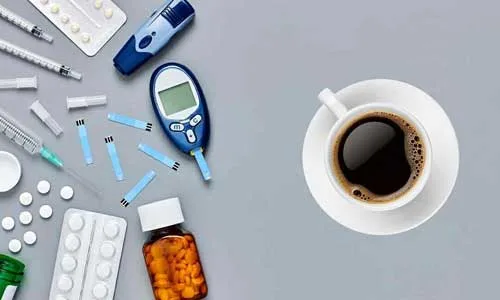
Previous epidemiological studies have reported that heavy coffee drinkers (those who regularly drink four or more cups per day) have a 50% lower risk of developing diabetes compared to light or non-drinkers.
How it works: Scientists believe that coffee may be beneficial in preventing diabetes in several ways: (1) By helping the body use insulin and protecting the cells that produce insulin, effectively regulating blood sugar.
(2) prevent tissue damage; and (3) combat inflammation, a known risk factor for type 2 diabetes. A component of coffee called caffeic acid has been shown to be particularly important in reducing the toxic buildup of abnormal protein deposits (amyloid fibrils) found in people with type 2 diabetes. Decaffeinated coffee is thought to be as beneficial or more so than regular coffee.
Note: There is some evidence that coffee reduces the sensitivity of muscle cells to the effects of insulin, which may impair sugar metabolism and increase blood sugar levels. However, the significance of this finding is still unclear.
The benefits of coffee are unique, but be sure to consult a specialist doctor to check whether consuming coffee is beneficial for you. Otherwise, do not consume coffee on your own. These benefits of coffee are purely educational and not medical.
Coffee-loving liver
Another benefit of coffee is the liver itself. That's right: In addition to reducing the risk of liver cancer, coffee consumption is also linked to a lower incidence of cirrhosis, especially alcoholic cirrhosis. A study in the Archives of Internal Medicine found that there was an inverse correlation between increased coffee consumption and a reduced risk of cirrhosis — a 20 percent reduction for each cup consumed (up to four cups).

How it works: Scientists found an inverse relationship between coffee drinking and blood levels of liver enzymes. Elevated liver enzyme levels typically reflect inflammation and damage to the liver. The more coffee people drank, the lower their enzyme levels.
Increasing athletic performance through the properties of coffee
One of the benefits of coffee is its effect on athletic performance. We've been conditioned to believe that caffeine dehydrates the body, which is one of the main reasons fitness experts recommend drinking coffee before and after a workout.

However, recent research suggests that moderate caffeine consumption – up to about 500 mg, or about five cups a day – does not deplete athletes' bodies enough to interfere with their training.
In addition to these properties of coffee, coffee helps fight fatigue and enables you to exercise for longer, which is another benefit of coffee.
How it works: Caffeine is a performance and endurance enhancer. Not only does it fight fatigue, but it also enhances muscle contraction, reduces an athlete's perception of pain, and increases fatty acids in the blood, which boost endurance. Hence, another of the benefits of coffee is caffeine.
Controlling depression
Coffee has been shown to help reduce depression. Several studies have linked coffee drinking to reduced rates of depression in both men and women. In several studies, data show an inverse relationship between coffee consumption and depression: in other words, people who drink coffee seem to have the lowest risk (up to 20 percent) of depression.

How it works: Researchers aren't yet sure how coffee relieves depression, but it is known that caffeine activates neurotransmitters that control mood, including dopamine and serotonin.
Gout and the benefits of coffee
The relationship between gout and the properties of coffee may have interested you. So stay tuned for more on the properties of coffee. Independent studies on coffee consumption patterns in men and women show that drinking coffee regularly reduces the risk of gout.
Researchers in the Nurses' Health Study analyzed the health habits of nearly 90000 female nurses over a 26-year period and found a positive association between long-term coffee consumption and a reduced risk of gout.

This benefit was associated with regular, decaffeinated consumption: Women who drank more than four cups of regular coffee per day had a 57 percent reduced risk of gout. Gout risk was reduced by 22 percent in women who drank between one and three cups per day, and one decaffeinated cup per day was associated with a 23 percent reduced risk of gout compared to women who drank no coffee at all.
How it works: According to the Nurses' Health Study, coffee's antioxidant properties may reduce the risk of gout by lowering insulin, which in turn lowers uric acid levels (high uric acid levels can cause gout). As you can see, this is another benefit of coffee.
Disadvantages of drinking coffee
The health benefits of coffee are something you should know. The potential health benefits of drinking coffee are exciting news, but that doesn't mean more is better. For some people, coffee can cause irritability, nervousness, or anxiety in high doses, and it can also affect sleep quality and cause insomnia.
In people with hypertension, coffee consumption temporarily increases their blood pressure – for up to a few hours, of course – but there is no link between coffee drinking and long-term increases in blood pressure or the occurrence of cardiovascular disease in patients with pre-existing hypertension.

Caffeine affects everyone differently, so if you experience negative side effects, reduce your coffee consumption accordingly. It takes about 6 hours for the effects of caffeine to wear off, so limit your coffee drinking to earlier in the day or switch to decaffeinated coffee, which contains only 2 to 12 milligrams of caffeine per 8 ounces. Always reduce your coffee intake gradually.
As you have seen above, the benefits of coffee are one aspect and its disadvantages are another. Therefore, be sure to consult a specialist doctor.
How to keep it healthy
So how much coffee is healthy, and how much is too much? Two to three eight-ounce cups a day is considered moderate. Heavy coffee drinkers consume four cups or more daily. Remember, the amount of caffeine in each coffee drink varies depending on the preparation and style of drinking. An eight-ounce cup of brewed coffee may contain 80 to 200 milligrams of caffeine per cup (a “medium” cup probably contains about 100 milligrams).
Best option: Skip the sugary coffee drinks and order a regular black coffee. Alternatively, switch to plain whole milk or unsweetened soy or nut milk.
Editor's note: As much as we all love coffee, it's important to recognize that even the most rigorous scientific studies are subject to bias—especially those involving something as beloved and economically important as coffee—so, by all means, enjoy your morning habit, but interpret these findings with caution. That's why it's important to know the benefits and harms of coffee.
A final word on the properties of coffee
As you have been introduced to the world of coffee's benefits above, keep in mind that these benefits of coffee also have their disadvantages, so be sure to consult a specialist doctor about the amount and consumption of coffee. Your specialist doctor can definitely provide you with more complete information about consuming or not consuming coffee.
One of the most important tips in cooking is to first know what the purpose of the work is and then how many people you will be cooking for. Next, be sure to write down the steps and the amount of ingredients on a sheet of paper and do exactly what needs to be done. This will increase your mastery of the work.
Be sure to install and use the 1TouchFood cooking app . With this app, you will have access to our entire site. We have provided you with a world of unique foods and recipes completely free of charge.
Rest assured that with this method, nothing will be forgotten and everything will be done exactly as it should be. 1TouchFood Online Cooking Training Center will always provide you with the best training and will help you in the field of cooking training.
Translation and writing : 1TouchFood cooking site

