Today, gastronomy no longer simply means cooking and baking, but is a reflection of the culture, history, and identity of nations. Iran is no exception to this rule. Our country is a land of flavors and spices, with a history of several thousand years, and the art of cooking is passed down from generation to generation. Every Iranian dish tells a part of the rich spirit of our land.
While various countries use gastronomy as a tool for cultural diplomacy and attracting tourists, Iran’s vast potential in this field has not yet been fully recognized and introduced. This has led to valuable opportunities in the field of food tourism being ignored. The Iran-Turkey Gastronomy Festival is an attempt to respond to this need and redefine Iran’s place on the global map of taste and culture. The Iran-Turkey Gastronomy Specialized Center, managed by Ms. Zohreh Orangi, in collaboration with the Iranian Experts and Managers Organization , headed by Dr. Iman Masdari, has taken a major step towards introducing Iranian culture and cuisine to the world. We will tell you more about this festival later.

What is gastronomy?
If you are interested in the world of food and learning about the cultures of other countries, you have probably searched the phrase “What is gastronomy?” on Google. So before we get to the Iran-Turkey Gastronomy Festival, let’s get a little more familiar with this concept.
Gastronomy is not limited to the skill of cooking and combining food; it is a deeper and multifaceted concept that expresses the relationship between humans, culture, geography, history and food. If cooking can be considered the art of creating a dish, gastronomy is the science, philosophy, history and story behind it; a science that tries to understand why a nation cooks a particular food, how it serves it and what role it plays in the formation of its cultural identity.
Gastronomy encompasses everything from agriculture and raw material production to eating customs and traditions, climatic influences, religious beliefs, and social interactions. Today, the importance of gastronomy lies in its recognition as a tool for understanding nations, developing cultural tourism, and strengthening connections between people through taste and experience. In fact, gastronomy is the silent language of cultures; a language that narrates the history, feelings, and stories of nations at the table through food.

Saving Iranian Flavors from Oblivion: The Mission of Gastronomy in the Modern Era
Iranian cuisine is the result of centuries of experience, cultural interaction, and living in a land of vast climatic diversity; from the aroma of Khorasan saffron to the pickles of the north and the aromatic dishes of the south, each region reflects a part of the soul of Iran in the taste and color of its dishes. These Iranian dishes are not only meals, but also tell the story of the lifestyle, beliefs, and social relationships of the people of our land.
However, in recent decades, with the spread of modern eating patterns and the globalization of tastes, many authentic Iranian dishes have gradually given way to industrial and fast foods among the younger generation. This trend is considered a serious threat to the Iranian culinary heritage, because every traditional dish that is removed from the table is actually a part of our cultural identity that is forgotten.
Gastronomy can serve as a bridge between the traditional and modern worlds and plays a decisive role in the revival of Iranian cuisine. By examining the roots and philosophy of cooking, the science of gastronomy can recreate traditional recipes and present them in a modern format for the new generation. On the other hand, gastronomy is an opportunity to introduce the Iranian food culture to the world; a culture that is based not only on taste, smell and color, but also on more important concepts such as hospitality, family and respect for nature. With the help of gastronomy, we can take Iranian cuisine beyond the geographical boundaries of the country and turn them into cultural ambassadors of Iran in the international arena.
Food, the common language of nations; the purpose of holding the Iran-Türkiye Gastronomy Festival
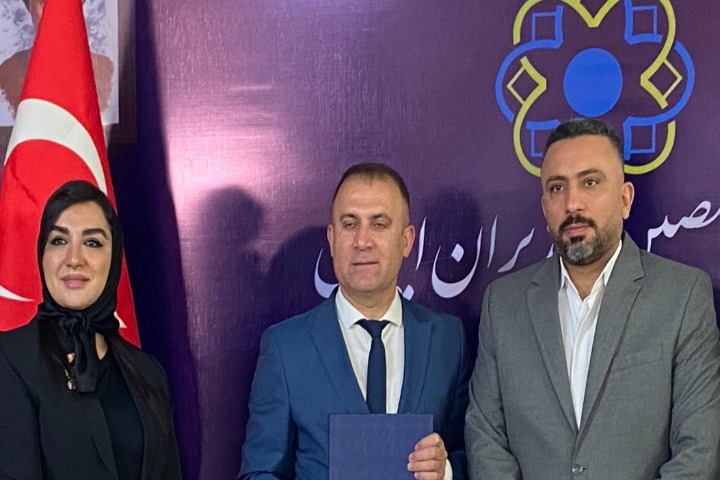
The Specialized Center for Gastronomy of Iran and Turkey, managed by Ms. Zohreh Orangi, is the first official gastronomy center in Iran with an official memorandum of understanding with the Turkish Tourism Federation. Together with the Organization of Iranian Experts and Managers, headed by Dr. Iman Masdari, the center has organized the second Iran-Turkey Gastronomy Festival in order to revive Iranian cuisine and introduce Iranian food culture to the world.
The Iran-Turkey Gastronomy Festival is the result of a cultural and artistic concern that wants to show that food, beyond a daily need, can be the language of dialogue between nations and a symbol of their cultural identity. With the aim of strengthening cultural, economic and tourism interactions between the two countries, this festival seeks to showcase the unique potential of Iranian gastronomy alongside Turkey's rich and global experience and provide a platform for knowledge exchange and cooperation between chefs, researchers, artists and food activists.
Today, gastronomy is recognized as a powerful tool for cultural diplomacy and sustainable tourism development. Without a doubt, Iran, with its rich history of flavors and food rituals, deserves a worthy place in this field. But this place will not be achieved without proper introduction and cultural and media infrastructure. Therefore, the Iran-Turkey Gastronomy Festival is an attempt to represent a new face of Iranian food culture; a culture that is rooted in history but at the same time can speak to the world in today's language. This event not only helps to revive traditional and local foods, but also provides a new opportunity to introduce Iran as a food tourism destination and provides a new platform for international cooperation in the fields of culture and economy.

About the Iran-Türkiye Gastronomy Festival
The Iran-Turkey Gastronomy Festival will be held from 13 to 18 Bahman 1404. The first day of the program, 13 Bahman, is dedicated to international gastronomy judging training, which will be held for between 20 and 50 people. After the judging training section is completed, it will be time for the opening of the largest Iranian gastronomy festival, which will be held on 14 Bahman at the Milad Tower exhibition site.
Among the highlights of this festival, we can mention the holding of the largest gastronomic cooking festival in Iran at 60 equipped tables. In this cooking festival, 60 tables along with gas stoves, dishwashers and sinks, worktops and ovens will be available to the participants to create the largest in-person cooking competition in Iran. Many competitions have been held in Iran so far, but it can be said that none has been as large as the event we have ahead of us. In total, it can be estimated that 300 to 350 people will participate in this competition per day.

Other parts of the festival include interviews, advertisements, music, and other events, including numerous booths.
February 18th is the closing day of the Iran-Turkey Gastronomy Festival, which is dedicated to the Food Democracy educational panel, and the closing ceremony will be held after lunch. Among the events in this section, we can mention the awarding of certificates, prizes, and medals.
Valuable professors of the festival:
- Mr. Dr. Iman Masdari, Honorable Chairman of the Iranian Experts and Managers Organization
- Ms. Zohreh Orangi, official representative and director of Iranian gastronomy at the Iranian Experts and Managers Organization
- Mr. Bayram Ozrek, Honorable President of the Turkish Tasfed Federation
- Dr. Nevin Halici, Representative of the Turkish Ministry of Tourism and Hospitality
- Ms. Sanaz Minaei, Silk Road Ambassador with the mission of revitalizing Iranian food
- Mr. Cyrus Sosni, Founder of Mahan's First Catering
- Mr. Javad Khodadadi, the father of Iranian cake

Cultural and professional investment: Why is attending a gastronomy festival important?
Participating in the Iran-Turkey Gastronomy Festival is a unique opportunity for diverse audiences. For the general public, the festival is an experience beyond just eating and an opportunity to learn about the diverse flavors and heritage of Iranian and Turkish cuisine, observe different cooking and serving styles, and understand the philosophies and hidden stories behind each dish.
On the other hand, for food industry professionals, including chefs, restaurateurs, food producers, researchers and hoteliers, this festival provides a new platform for networking, exchanging knowledge and experience, introducing innovations and international collaborations. This presence is an opportunity to learn new techniques, recreate traditional dishes in a modern format and establish direct contact with reputable foreign experts and brands. Participating in the Iran-Turkey Gastronomy Festival is a kind of cultural and professional investment for people in this industry and plays an important role in strengthening Iran's position in the global gastronomy arena and the sustainable growth of the country's food industry.
Final words
The Iran-Turkey Gastronomy Festival, organized by the Iran-Turkey Gastronomy Center, managed by Ms. Zohreh Orangi, and the Iranian Experts and Managers Organization, headed by Dr. Iman Masdari, is a unique opportunity to experience the flavors, cultures, and culinary arts of two ancient and rich nations. This event not only revives the heritage of Iranian cuisine, but also provides new avenues for international cooperation, knowledge exchange, and the advancement of the food industry. Attending this festival will allow you to get acquainted with the food culture and art of Iran and Turkey, experience new and authentic flavors, and be part of the great movement of introducing Iran to the world of gastronomy. For more information, contact the Iran-Turkey Gastronomy Center and call 02188871006, 09351935852, and 09351935851.