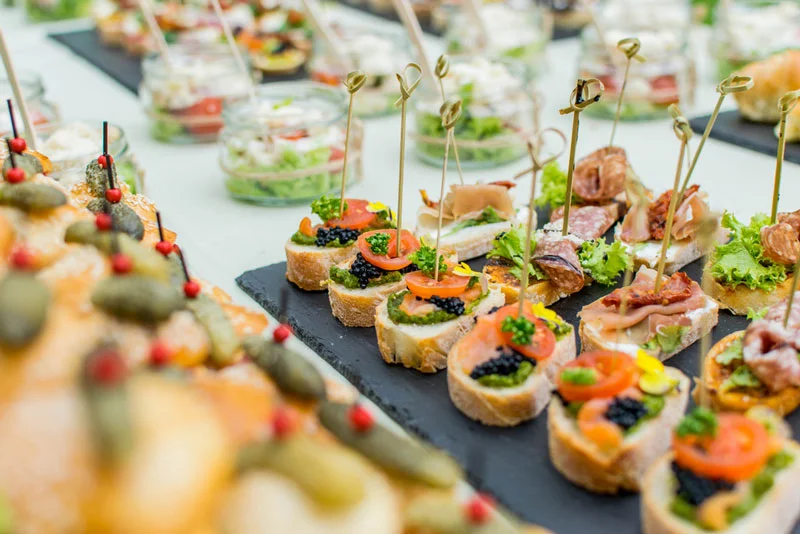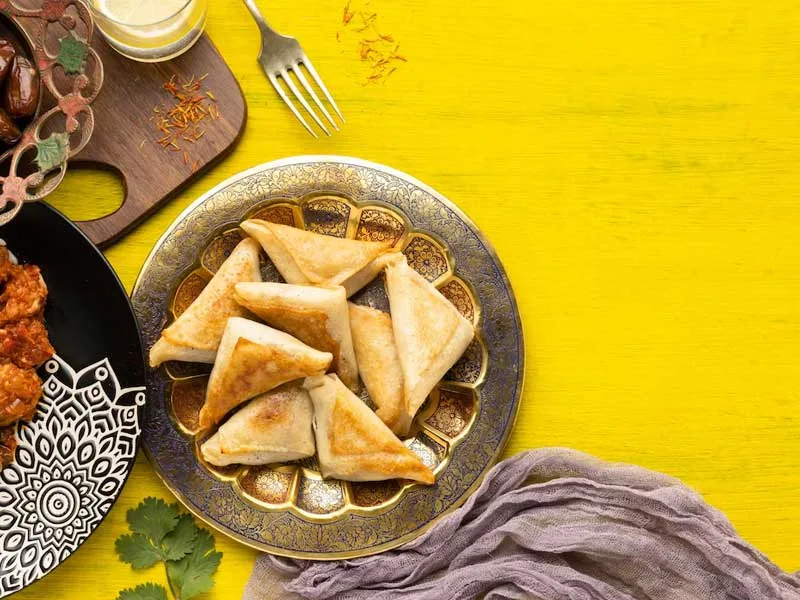
Finger food is one of the most attractive and popular types of food around the world, which has been noted not only for its simplicity and convenience of consumption, but also for its rich history and special place in different cultures. But what is the history of finger food and how have these small dishes managed to find a place on various tables and ceremonies? In this article, we will take a detailed look at the history of finger food , its roots and its influence on finger food in cultures , and we will take you on a journey into the past of these delicious foods.
What is finger food? Definition and concept of finger foods
Before we delve into the history of finger food , it's best to first understand what finger food is exactly. Finger food refers to foods that are eaten with the hands alone, without the need for a spoon, fork, or knife. These foods are usually small, bite-sized, and suitable for informal occasions or even formal gatherings. From small sandwiches to samosas, falafel, and even miniature meatballs, they all fall into the category of finger food history .
History of Finger Food: The Origins and Early Days of Finger Foods
1. Finger Food in Ancient Civilizations
The history of finger food dates back thousands of years to ancient civilizations. In ancient Egypt, small loaves of bread and pieces of grilled meat eaten with the hands were part of the daily diet. These foods were popular among workers and soldiers not only because they were easy to prepare but also because they were easy to carry. In ancient Greece, olives, cheese, and bread slices were also consumed as light and portable snacks, which can be considered among the first examples of finger food in history.
2. Finger Food in the Middle Ages
In the Middle Ages, even though eating utensils such as forks were not yet common, finger foods held a special place in culture . Small loaves of bread, pieces of meat, and cooked vegetables were served as morsels at feasts and aristocratic tables. This period can be considered a turning point in the history of finger foods , as finger foods became an integral part of food culture.
3. The emergence of modern finger food in the 20th century
With the arrival of the 20th century and changes in lifestyle, the history of finger food entered a new phase. In America, during the Prohibition Era, clandestine parties were held where small, portable dishes such as miniature sandwiches and canapés were served. This trend gradually contributed to the popularity of finger food in formal and informal gatherings, paving the way for modernity in the history of finger food.
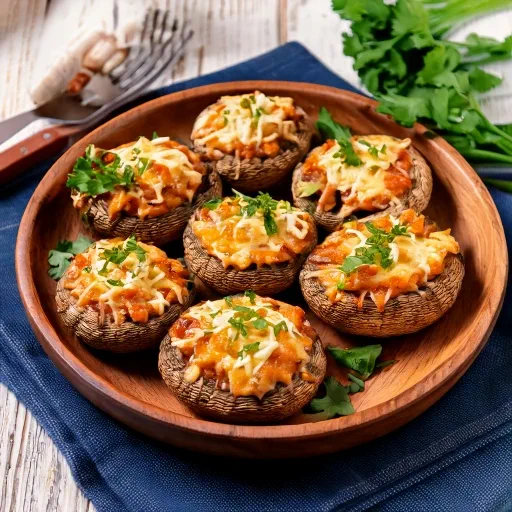
Finger Food in Cultures: The Place of These Foods in Different Societies
Finger food is not just a type of food; it is also part of the cultural identity of many countries. Below, we will examine finger food in cultures around the world.
1. Finger Food in Asian Culture
In Asia, the history of finger food is intertwined with dishes like Chinese dumplings, Indian samosas, and Japanese sushi. Often eaten with the hands, these foods not only demonstrate culinary skill but are also part of traditional ceremonies and rituals. In Japan, for example, sushi, a classic finger food, is a symbol of the artistry and precision of the country's food culture.
2. Finger Food in the Middle East and Iran
In the Middle East, and especially in Iran, the history of finger foods is deeply connected with dishes such as falafel , kukou, dolma , and bread, cheese, and vegetables. These dishes are often seen at parties, gatherings, and even Ramadan iftar tables. In Iran, finger foods have a special place in the cultures not only because of their delicious taste, but also because of their simplicity and intimacy.
3. Finger Food in Europe
In Europe, the history of finger food is known for dishes such as Spanish tapas, French canapés, and Italian mini pizzas. These dishes were often served at aristocratic feasts and formal occasions, and over time they became part of everyday food culture. Tapas, especially in Spain, represent a social and communal culture of eating.
4. Finger Food in America
In the United States, finger foods like chicken wings, nachos, and mini burgers have become icons of street food culture and casual dining. The history of finger foods in America shows how they have adapted to today's fast-paced, modern lifestyle.
Why did finger food become popular across cultures?
The reasons for the popularity of finger food across cultures can be summarized in a few key factors:
- Simplicity and ease of useFinger foods do not require tools and can be easily eaten in any situation.
- Infinite varietyFrom traditional dishes to modern creations, finger foods come in a wide variety.
- Suitable for gatherings: These foods promote sharing and intimacy in groups.
- Ability to adapt to tastes: Every culture can adapt finger food to its local ingredients.
The history of finger foods at ceremonies and occasions
1. Finger food at weddings and parties
In many cultures, finger foods play an important role in weddings and celebrations. For example, in India, samosa and pakora are served as appetizers at weddings. In Iran, the use of coco and dolma on wedding tables is also part of the history of finger foods . Be sure to read Simple Finger Foods .
2. Finger food on religious holidays
During Ramadan, finger foods like zulbia and okra in Iran or tamarind and falafel in Arab countries are an integral part of the iftar table. This shows how deeply the history of finger foods is intertwined with religious rituals.
The Evolution of Finger Food in the Modern World
Today, the history of finger food has reached a new level with culinary innovations and lifestyle changes. Famous chefs around the world have elevated finger food to the level of art, serving it in luxury restaurants and food festivals. Also, with the advent of street food and fast food, finger food has become more accessible to everyone. How to prepare finger food has a world of the best finger food.
Finger Food and Health: Are Finger Foods Healthy?
One of the questions that comes up about the history of finger foods is their connection to health. While some finger foods, such as fresh vegetables or nuts, are very healthy, fried or high-fat varieties can be harmful to your health. However, choosing healthy ingredients and the right cooking method can make finger foods a nutritious option. Be sure to read up on cold finger foods as well.
Ideas for making finger food at home
If you’ve been curious about the history of finger foods and their place in different cultures and are ready to try your hand at making your own, this is the section for you! Finger foods are a great choice for parties, get-togethers, or even a quick snack because of their simplicity, versatility, and personalization. Here, we’ve put together a collection of creative and practical ideas for making finger foods at home that are rooted in the history of finger foods and adapted to today’s tastes. Not only are these ideas delicious, but they’ll help you bring a part of finger foods across cultures to life in your own kitchen.
1. Miniature Koku: A Traditional Iranian Finger Food
Coco is one of the most popular dishes in the history of Iranian finger food , which you can easily prepare in bite-sized pieces.
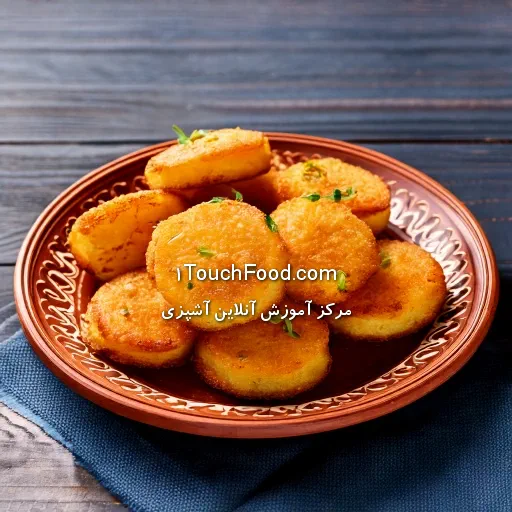
- Ingredients: Grated potatoes, eggs, aromatic herbs (parsley, coriander), salt and spices.
- How to prepare: Mix the ingredients, form into small balls and fry in oil or bake in the oven.
- Cedar tipServe with yogurt or tomato sauce on the side to add a different flavor to this classic finger food.
- Why is it popular?: This finger food has its roots in Finger Food in CulturesIt has Middle Eastern origins and is always popular due to its simplicity and pleasant taste.
2. Bread, Cheese, and Vegetable Rolls: Authentic and Quick Taste
This simple and delicious finger food is reminiscent of traditional Iranian tables in the history of finger foods.
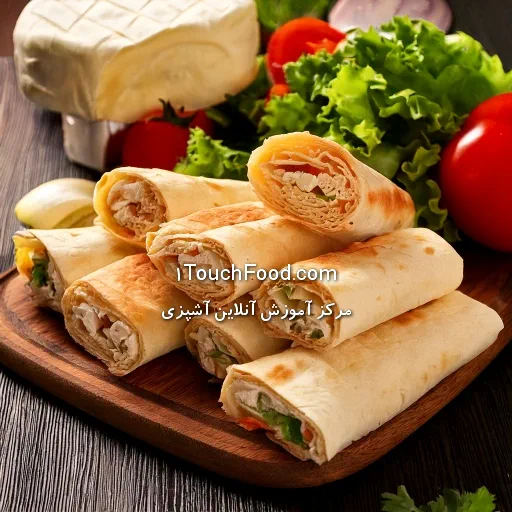
- Ingredients: Lavash bread, cream cheese or feta, herbs (basil, mint, leek), walnuts (optional).
- How to prepare: Unroll the bread, spread a layer of cheese, add the herbs and wrap tightly. Then cut into small pieces.
- Cedar tip: For more charm, you can use olive or Pickled cucumber Use it next to it.
- Connection with culture: This idea of Finger Food in CulturesIt is Iranian inspired and is a healthy and quick option.
3. Miniature Kebab Skewers: Middle Eastern Finger Food
Small kebabs are part of the history of finger food in the Middle East and Asia, and they can be easily made at home.
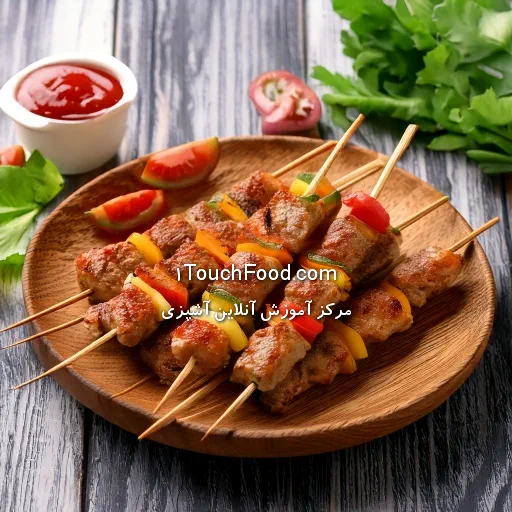
- Ingredients: Ground meat (lamb or chicken), grated onion, parsley, barbecue spices.
- How to prepare: Mix the ingredients, thread onto small wooden skewers, and grill on a pan or grill.
- Cedar tip: Serve with pita bread and hot sauce to give it an authentic flavor.
- Why is it special?: This finger food is a combination of tradition and modernity in The history of finger foods Is.
4. Fruit bites with creative decorations
Finger food is not limited to savory foods; fruits also have a special place in the history of finger food .
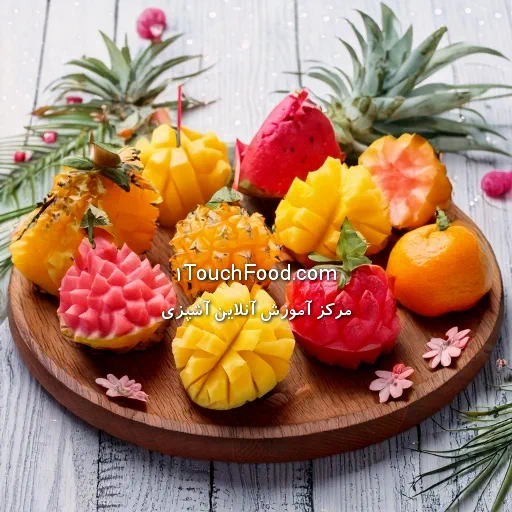
- Ingredients: Seasonal fruits (strawberries, grapes, pineapple, apples), melted chocolate (optional).
- How to prepare: Cut the fruits into small pieces and string them onto short skewers or arrange them in the shape of flowers and attractive shapes.
- Cedar tipFor extra appeal, drizzle some melted chocolate over them and garnish with nuts.
- Connection with culture: This idea of Finger Food in CulturesInspired by Mediterranean cuisine and traditional celebrations.
5. Mini Samosas: Asian Flavor at Home
Samosas, one of the stars of finger food history in Asia and the Middle East, are a great option for homemade finger food.
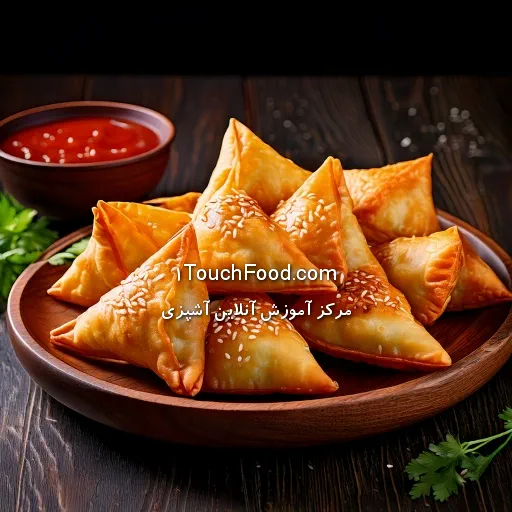
- Ingredients: Yufka dough or lavash bread, minced meat or potatoes, spices (turmeric, pepper).
- How to prepare: Prepare the middle ingredients, wrap in dough and shape into a triangle, then fry.
- Cedar tip: Serve with mango or yogurt and cucumber sauce for a balanced flavor.
- Why is it popular?Samosa is a symbol of diversity and creativity in Finger Food in Cultures Is.
6. Homemade Canapes: European Finger Food
Canapes, which have their roots in the history of European finger food , are easy to make at home.

- Ingredients: Toast, cream cheese, cucumber or cherry tomatoes, olives.
- How to prepare: Cut the bread into small pieces, spread cheese and garnish with cucumber or tomato.
- Cedar tip: For variety, try smoked fish or ham or Homemade sausage You can also use it.
- Connection with history: This finger food is from aristocratic French parties. The history of finger foods Inspired.
7. Falafel Bites: A Street Finger Food
Falafel, one of the most popular finger foods in Middle Eastern cultures, is also great in mini form.
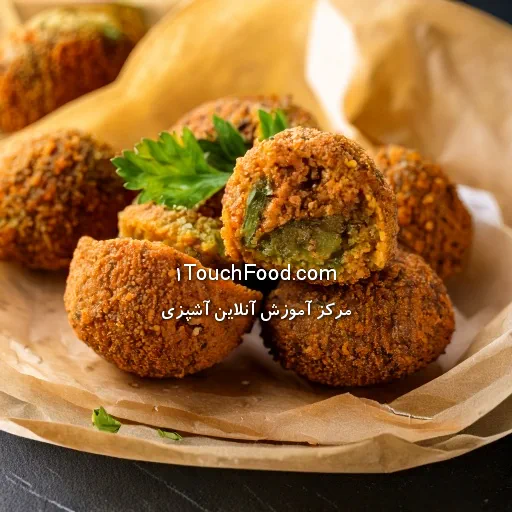
- Ingredients: Soaked chickpeas, onion, garlic, parsley, spices.
- How to prepare: Put the ingredients in a blender, form into small balls, and fry.
- Cedar tipServe with pita bread and ardeh sauce for an authentic taste.
- Why is it attractive?: Falafel represents simplicity and deliciousness in History of finger food Is.
8. Stuffed Eggs: A Classic and Healthy Finger Food
This finger food is a nutritious and visually appealing option that has its roots in the history of Western finger foods.
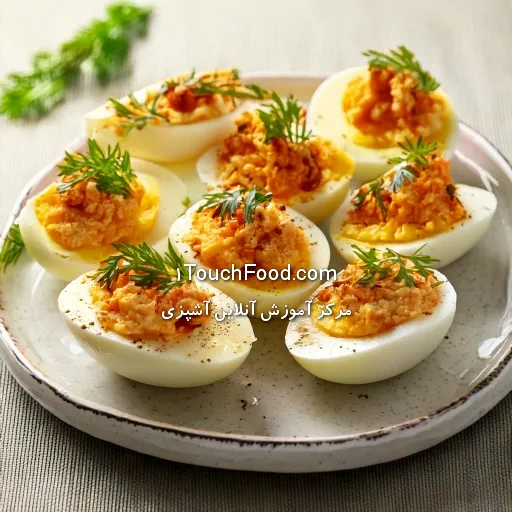
- Ingredients: Boiled egg, Mayonnaise, mustard, parsley.
- How to prepare: Halve the eggs, mix the yolks with mayonnaise and mustard, and fold them back into the egg whites.
- Cedar tip: Garnish with paprika for more color and shine.
- Why is it recommended?: This simple and healthy finger food is suitable for any occasion.
Final Words: Finger Food, a Legacy from Past to Present
The history of finger foods shows how these small, lovable treats have made their way from ancient civilizations to the modern world. Finger foods have a place in cultures not only because of their taste and convenience, but also because of the role they play in connecting people and creating memorable moments. Whether you're at a large party or a small family gathering, finger foods have always offered a way to enjoy food and life.
By reading this article, we hope you have gained a deeper understanding of the history of finger foods and their importance in different cultures. Now it’s your turn to experiment with these delicious foods and bring a piece of this rich history into your life.
Don't forget to follow One Touch Food's Instagram page . Be sure to send us your comments and suggestions.
Prepared on: 1TouchFood cooking site