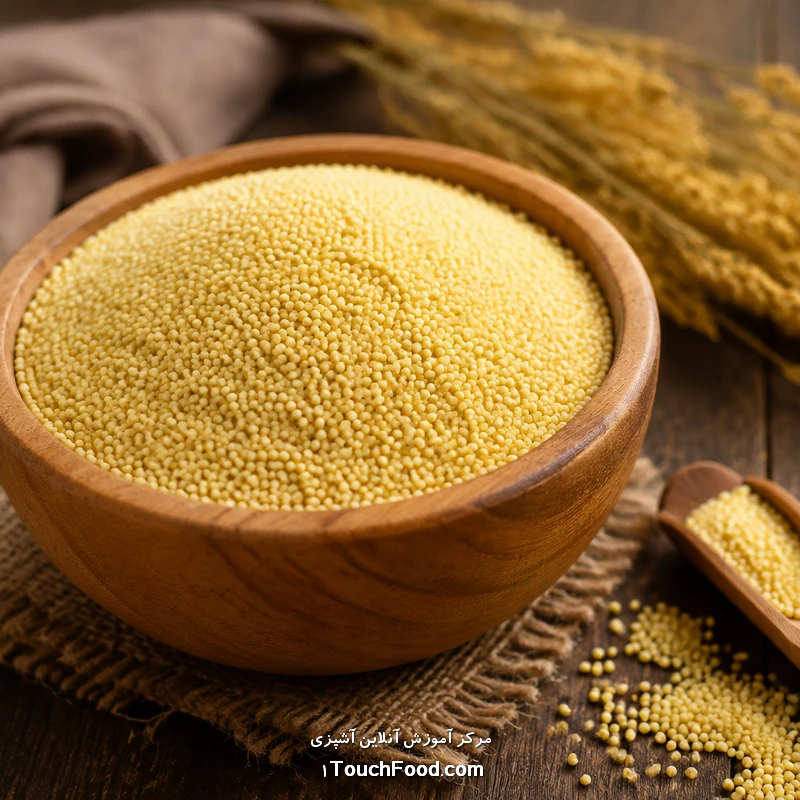
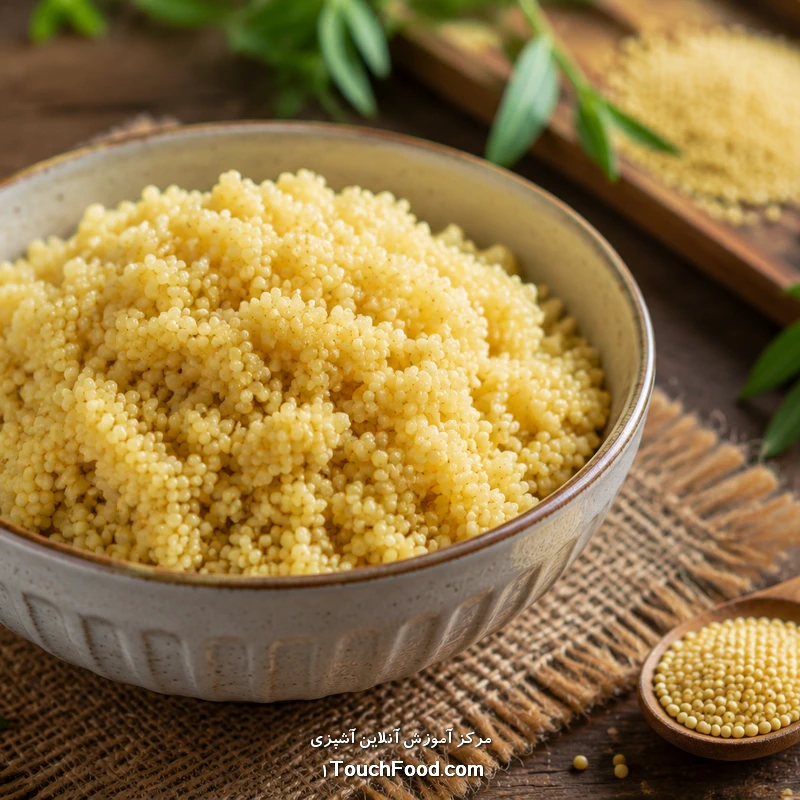
The glycemic index of whole wheat is typically around 50, placing it in the low-to-medium GI category. This number indicates that whole wheat causes a slower rise in blood sugar than foods with a high glycemic index. However, the type of processing, cooking method, and form of consumption can change the final GI value.
What is the glycemic index of wheat?
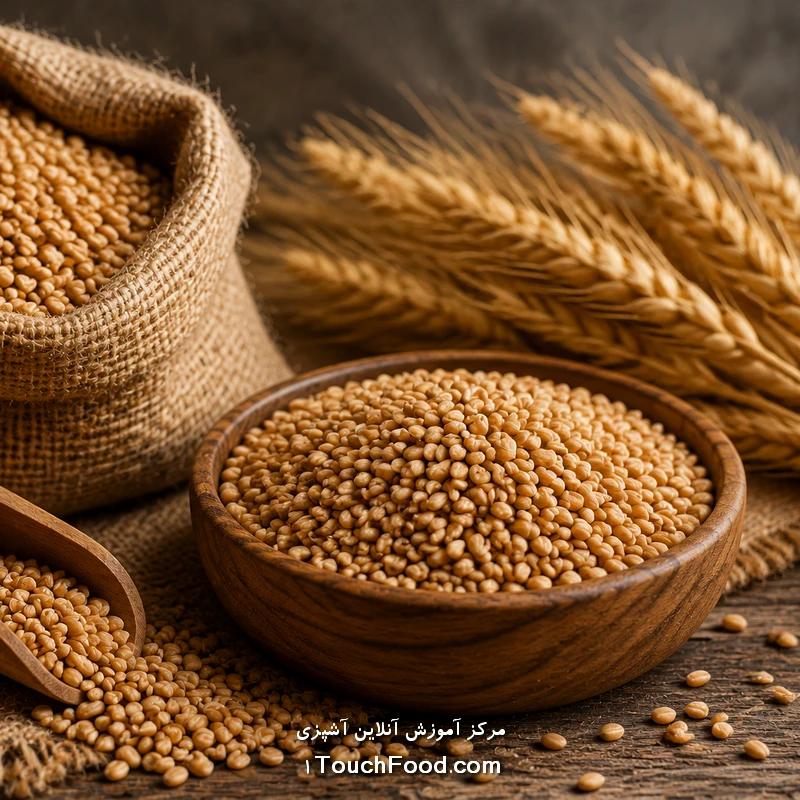
Whole wheat has a glycemic index of around 50, so it falls in the low to medium GI range. Processed wheats, such as white flour, may have a higher glycemic index.
What does the glycemic index of wheat mean?
The glycemic index, or GI, is a measure of how quickly blood sugar levels rise after consuming a carbohydrate-containing food. Whole wheat, due to its higher fiber content, is generally digested more slowly, causing a more gradual rise in blood sugar.
Wheat glycemic index table
| Consumption mode | Glycemic Index (GI) |
|---|---|
| Whole wheat | About 50 |
| Bread made from whole wheat flour | Approximately 50 to 60 |
| White wheat flour and refined products | Usually higher than whole wheat |
What factors change the glycemic index of wheat?
Cooking and preparation method
As the cooking process makes the wheat structure softer and more digestible, the rate of carbohydrate absorption increases and the GI may increase.
Amount of processing and form of consumption
Whole wheat, which has retained its bran and natural structure, usually has a lower GI than products made from highly refined flour.
Combining wheat with other foods
Consuming wheat with protein, healthy fats, or vegetables can slow the rate at which blood sugar rises and control the glycemic load of the meal.
Is wheat suitable for diabetics?
Yes, with caution. People with diabetes can consume whole wheat in moderation, as the fiber in it helps in better blood sugar control. However, the amount consumed and the type of wheat product are very important.

Frequently Asked Questions About the Glycemic Index of Wheat
Does cooking increase the glycemic index of wheat?
Yes, prolonged cooking or heavy processing can change the structure of starch and increase the rate of sugar absorption.
What is the difference between glycemic index and glycemic load?
GI indicates how quickly blood sugar rises, but glycemic load takes into account the amount of carbohydrate consumed in addition to GI.
What is the best way to consume wheat to control blood sugar?
Choosing whole wheat, consuming it in the right amount, and combining it with sources of protein and fiber is a more appropriate way to control blood sugar spikes.

Final summary
Whole wheat has a glycemic index of around 50, making it a good choice for a balanced diet. Choosing the type of whole wheat and paying attention to the preparation method plays an important role in blood sugar control.
We have brought you the introduction of cooking radio again. We have reviewed the benefits, a guide to starting listening, and important points in choosing cooking radio programs. Don't forget to check out One Touch Food's Instagram page . Be sure to send us your comments and suggestions.
Prepared on: 1TouchFood cooking site
Don't forget that you can also use food calories to find out the calories in other ingredients.
Nutritional data source: FoodData Central – USDA