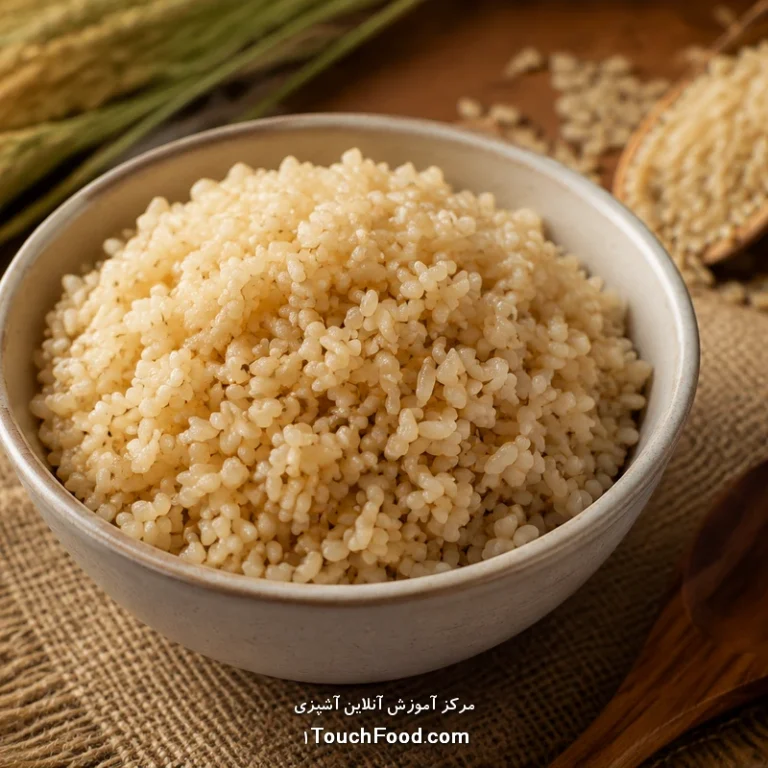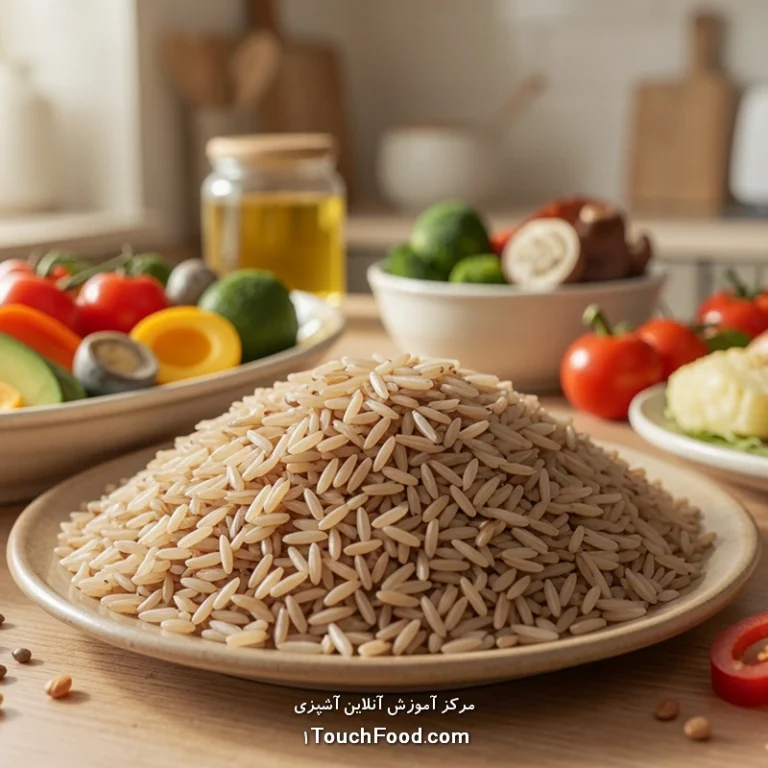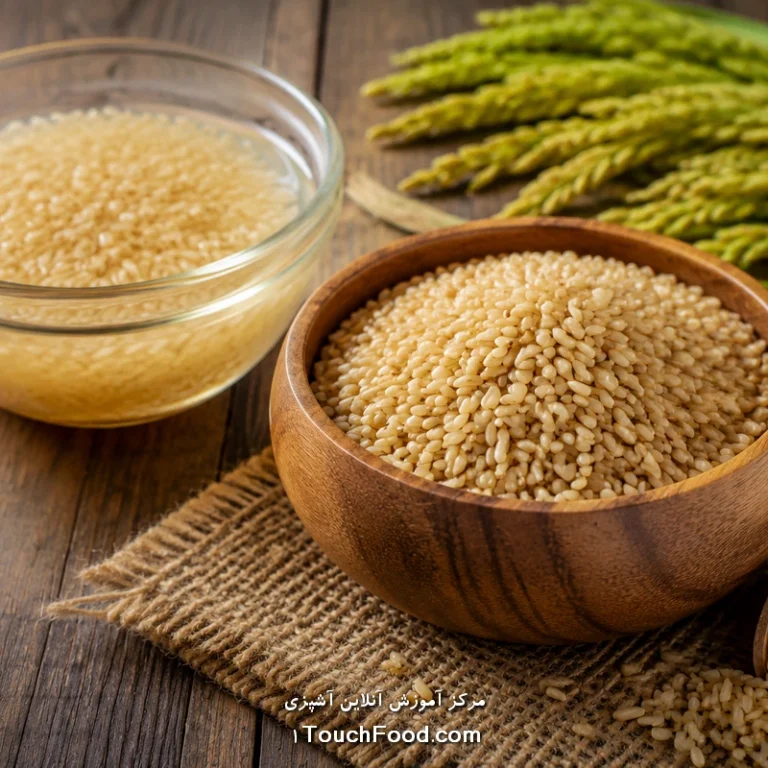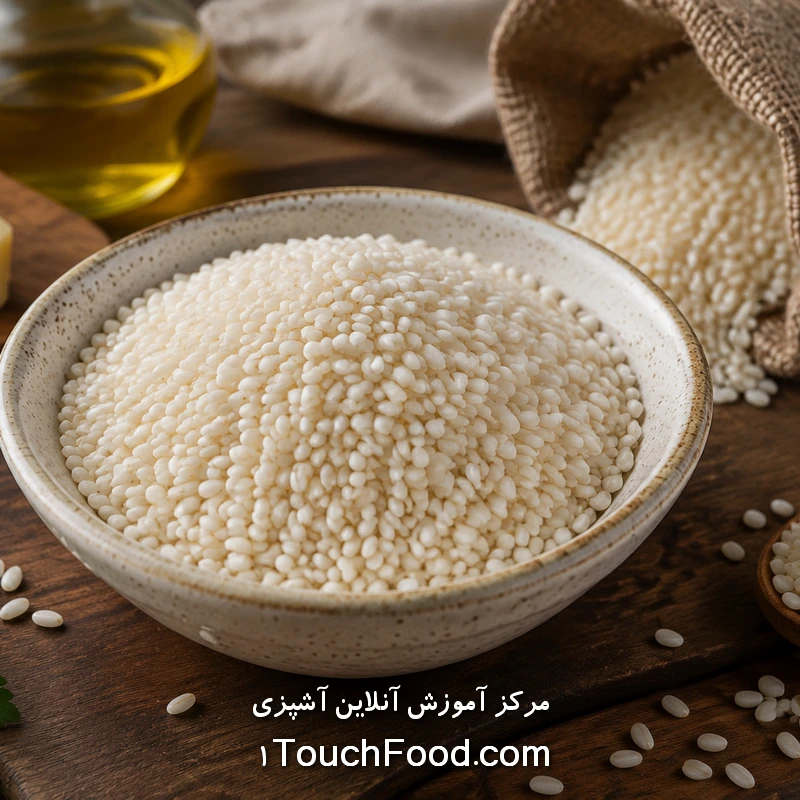
Arborio rice typically has a glycemic index of around 70 to 75, making it a medium-to-high GI food. This type of Italian rice, often used to make risotto, can cause a relatively rapid rise in blood sugar due to its starch content. The degree of cooking and the method of consumption affect its final GI value.
What is the glycemic index of arborio rice?
The glycemic index of arborio rice is around 70 to 75. So it falls in the medium to high glycemic index range, and consuming large amounts of it may cause blood sugar to rise more quickly.
What does the glycemic index of arborio rice mean?
The glycemic index, or GI, indicates how quickly a food raises blood sugar after consumption. Arborio rice can raise blood sugar more quickly than some types of long-grain rice because of its high content of low-amylose starch and its soft, creamy texture after cooking.
Glycemic index table for Arborio rice
| Consumption mode | Glycemic Index (GI) |
|---|---|
| Regular cooked arborio rice | About 70 to 75 |
| Arborio rice cooked risotto style | About 65 to 75 (depending on the degree of cooking) |
| Arborio rice, cooled after cooking | It may be a little less. |
What factors change the glycemic index of arborio rice?
Cooking and preparation method
The longer Arborio rice is cooked and the softer its texture, the easier its starches become to digest and the more likely it is to have a higher GI. Shorter cooking times can slow down the rate of carbohydrate absorption.
Amount of processing and form of consumption
The type of processing, freshness of the rice, and the degree to which the starch structure has changed can affect blood sugar response. Rice that is too soft and mushy is usually absorbed more quickly.
Combining Arborio rice with other foods
Consuming this rice with protein, vegetables, legumes, or healthy fats can slow the rate at which blood sugar rises and create a feeling of fullness.
Is Arborio rice suitable for diabetics?
Yes, but with caution. People with diabetes can eat a controlled amount of arborio rice, especially if it is eaten with protein sources and vegetables. Portion size and overall daily carbohydrate control are important.
Frequently Asked Questions About the Glycemic Index of Arborio Rice
Does cooking increase the glycemic index of arborio rice?
Yes, cooking rice too long and softening it too much usually speeds up the digestion of starch and increases the blood sugar response.
What is the difference between glycemic index and glycemic load?
The glycemic index indicates how quickly a food raises blood sugar, but the glycemic load also takes into account the amount of carbohydrates consumed in a serving.

What is the best way to consume Arborio rice to control blood sugar?
It is best to consume this rice in a balanced amount and with vegetables, protein, and healthy fats to slow the rise in blood sugar.

Final summary
Arborio rice has a glycemic index of around 70 to 75 and can raise blood sugar levels fairly quickly. Eating it in moderation, choosing the right cooking method, and combining it with lower-carb foods can help better control its effects.
We have brought you the introduction of cooking radio again. We have reviewed the benefits, a guide to starting listening, and important points in choosing cooking radio programs. Don't forget to check out One Touch Food's Instagram page . Be sure to send us your comments and suggestions.
Prepared on: 1TouchFood cooking site
Don't forget that you can also use food calories to find out the calories in other ingredients.
Nutritional data source: FoodData Central – USDA