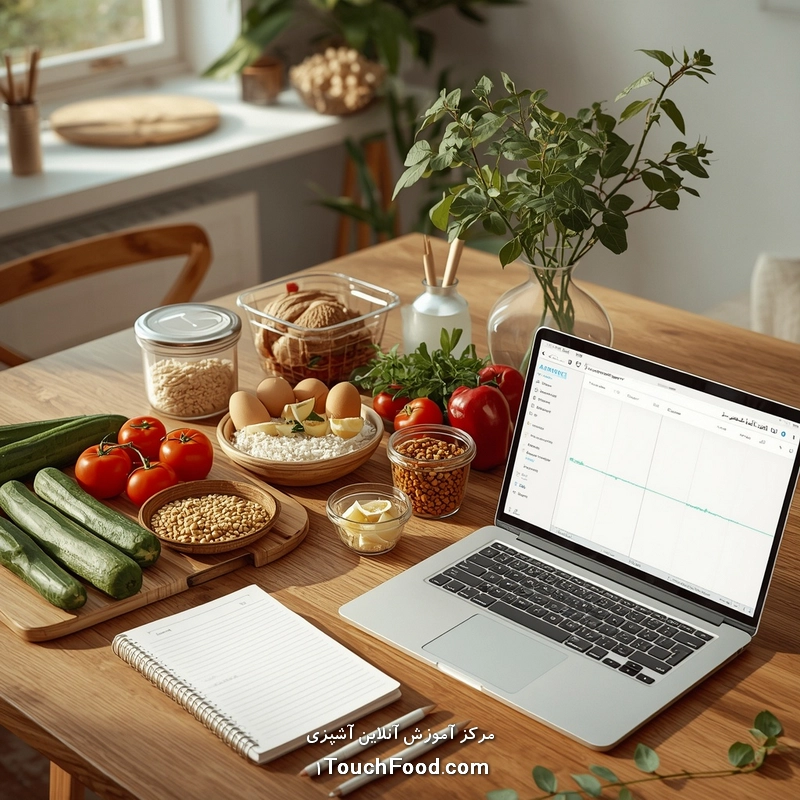
GPT Chat for Meal Planning
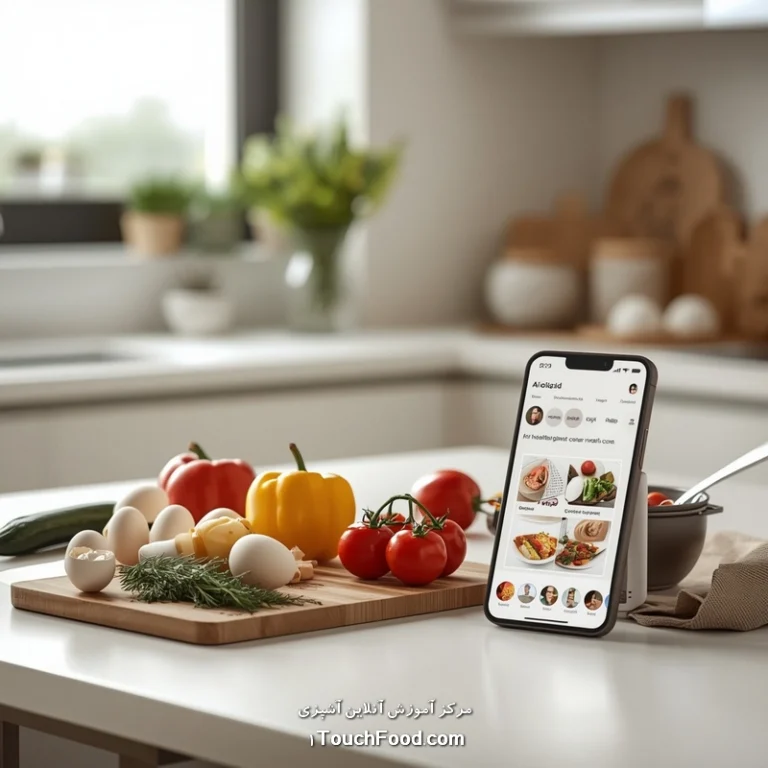
ChatGPT's meal planning app helps you create a meal plan for your daily and weekly meals that fits your taste, budget, time, and available ingredients. This AI-powered tool can suggest meal ideas, create weekly shopping lists, and suggest ways to use ingredients better. If you're constantly faced with the question, "What should I cook today?", using this tool properly can make kitchen planning easier and more organized.
Imagine it's Saturday morning, the fridge has a few vegetables, some chicken and a few eggs, and you still don't know what to make for lunch and dinner next week. Instead of spending long minutes every day thinking about food, you can use artificial intelligence to create a flexible plan for the next few days. The cool thing is that you don't have to be a professional chef or have any knowledge of nutrition; all you need to do is clearly state your wishes.
What is GPT Chat for Meal Planning and how does it work?
ChatGPT is a conversational AI tool that can generate text suggestions and plans based on the information you provide. In meal planning, you explain your home and family situation and ask it to suggest appropriate meals, cooking ideas, or shopping lists.
For example, you can say that there are two of you, you like mostly Iranian food, you have little time to cook during the week, and you prefer to do your shopping only once. Given this information, ChatGPT can prepare a basic plan for breakfast, lunch, and dinner.
There's one important caveat, though: The tool's suggestions are only as useful as the information you give it. If you don't specify your budget, number of people, food restrictions, and cooking time, you might end up with a plan that looks good on paper but isn't very useful in the kitchen.
What information is needed for better planning?
To receive an application, it is best to specify the following:
- Number of family members and number of meals needed
- Approximate budget for food purchases
- Popular foods and ingredients you don't like
- Time available to prepare food
- Food in the refrigerator, freezer, and cabinets
- Kitchen equipment, such as an oven, pressure cooker, or fryer
- Dietary restrictions, sensitivities, and personal preferences
- Days when you have time to cook and days when you need a quick meal
The more accurate this information is, the more likely the final plan will align with your real life.
What are the benefits of meal planning with artificial intelligence?
Meal planning is not just about choosing a few delicious dishes. A good plan should also consider shopping, cooking time, ingredient usage, and the needs of family members. The benefits of AI meal planning are best seen when you use this tool to solve everyday kitchen problems.

1. Reduce confusion when choosing food
One of the most common problems families face is the repetition of meals or the lack of ideas for the next meal. When you make decisions every day without a plan, you may end up eating the same few regular meals again.
You can ask Chat GPT to suggest a variety of meals for a week with a mix of entrees, rice dishes, soups, and fast foods. You can even specify that meals from one day to another should not be repeated.
2. Better management of purchasing budgets
Knowing what you're going to buy before you go to the store can help you control unnecessary purchases. For example, if you plan to eat beans, eggs, and a few vegetables in a few meals per week, you can adjust your shopping based on your actual needs.
Of course, AI alone can't guarantee the cheapest possible purchase. Food prices, discounts, and store inventory change, so it's best to check actual prices and then adjust the app to your budget.
3. Make better use of the food available at home
Sometimes we have a few ingredients in the fridge that are still usable, but we don't know how to use them in different meals.
For example, if you have some mushrooms, bell peppers, potatoes, and eggs, you can ask Chat GPT to suggest some meal ideas with those ingredients. This will give you more time to use up what you already have before you have to buy new ingredients.
4. Save cooking time
One helpful trick is to choose foods that have common ingredients. For example, you can use chopped vegetables, cooked beans, or prepared chicken for several servings; each ingredient should be stored according to its safe storage method and shelf life.
Ask AI to schedule similar tasks to be completed in a timed manner. Also known as pre-prepping, this method can reduce the number of times you have to prepare ingredients.
5. Better coordination with family members' tastes
If one person likes spicy food, another prefers simple dishes, and the kids don't handle certain foods, planning can be difficult.
You can ask Chat GPT to suggest several serving options for a basic dish. For example, for a chicken and vegetable dish, choose separate condiments or side dishes so that each family member can customize their meal to their taste.
How to create a weekly meal plan with Chat GPT?
To have a useful app, it's best to stay away from general requests. "Write me a meal plan" doesn't give the AI enough information. Instead, break the request down into specific parts.
Identifying family needs
First, provide the tool with basic information. For example:
"We are a family of three and we mostly like Iranian food. Our weekly shopping budget is limited. We have a maximum of 30 minutes to prepare dinner on weekdays. Please suggest a seven-day meal plan that includes a variety of dishes, common ingredients, and quick-to-prepare meals."
This request is a good starting point, but you can add more information, such as whether you don't have an oven at home or prefer to eat less fried foods.
Choose a varied and realistic food selection
Ask the tool to adjust the schedule not only based on appearance variety, but also considering preparation time and availability of raw materials.
For example, if you're going to make a bean dish one day, you can ask it to choose suggestions for other days in a way that reuses some of the purchased ingredients. Of course, storing and reusing cooked food should be done in accordance with food safety principles.
Converting a meal plan into a shopping list
After confirming the plan, ask Chat GPT to extract the required raw materials and sort them by store category.
It is best to have a shopping list that includes these groups:
- Vegetables and fruits
- Meat, poultry, fish and eggs
- Dairy
- Grains and cereals
- Dry ingredients and seasonings
- Kitchen essentials and supplies
Since some ingredients may be repeated across multiple meals, ask the tool to total up the amount of each ingredient you need for the entire week. Then compare the list to your home inventory to avoid buying duplicate ingredients again.
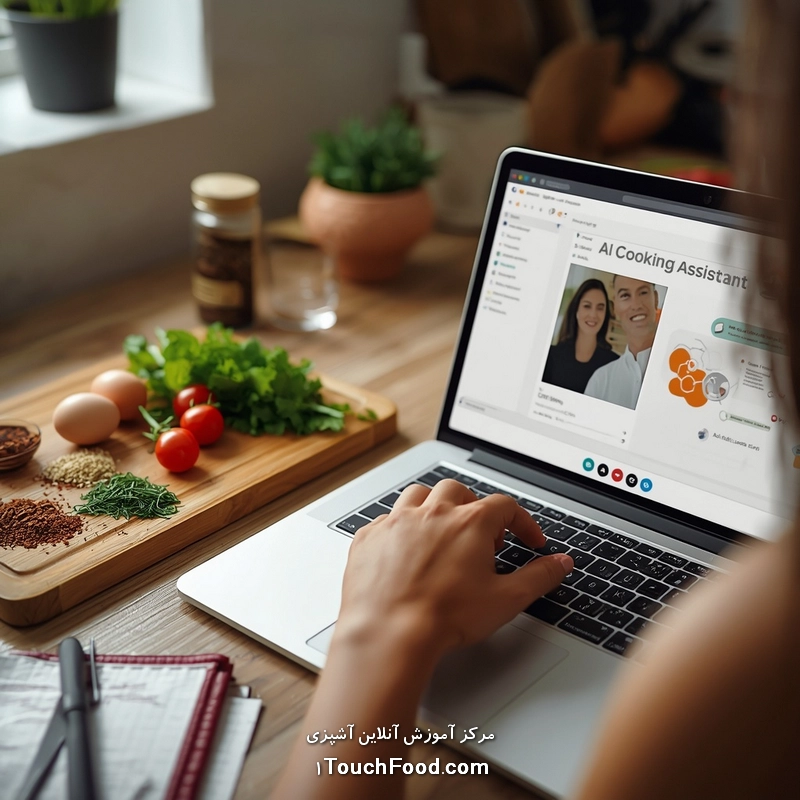
Artificial Intelligence and Weekly Shopping Lists: From Food Suggestions to Targeted Shopping
Combining meal planning and shopping lists is one of the most practical ways to use AI in the kitchen. Instead of shopping first and thinking about food later, you can start with planned meals and shop based on actual needs.
Let's say you have these promises for next week:
| Day | Lunch | Dinner |
|---|---|---|
| Saturday | Lentil rice | Tomato omelette |
| Sunday | Chicken and rice | Vegetable soup |
| Monday | Pinto bean meal | Cocoa Vegetable |
| سه شنبه | Pasta | Salad with eggs |
| Wednesday | Chicken and potato dish | Simple soup |
| Thursday | Vegetable rice with fish | Homemade sandwich |
| Friday | Family meal of choice | Light and fast food |
This table is just an example to show how to plan and should be modified based on the number of people, tastes, budget, and nutritional needs of the family.
To convert such a program into a shopping list, you can enter this command:
"Based on the food chart above, make a weekly shopping list for three people. Add up common ingredients, separate out items you might have at home, and organize the list by store section. For each item, write down the approximate amount needed, and if the exact amount depends on the serving size or recipe, specify that."
A practical tip: Don't accept suggested quantities without checking. For example, the amount of rice, chicken, or vegetables needed will depend on the size of the servings, the person's appetite, and the type of food. If exact quantities are important, ask the tool to clarify its assumptions and specify serving sizes if necessary.
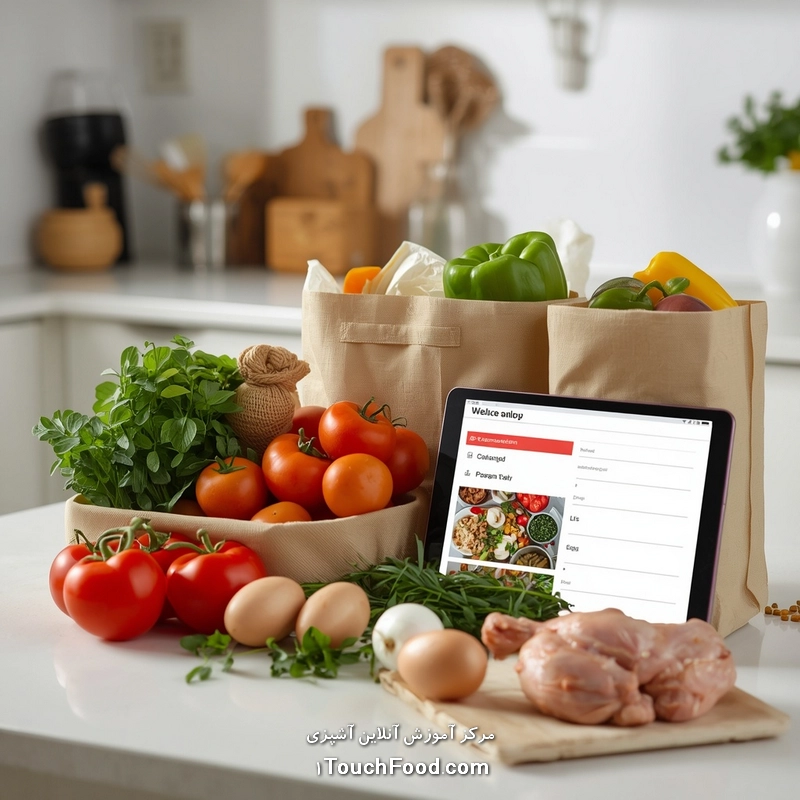
How to make weekly shopping more economical?
To better manage expenses, try these three requests:
- Ask AI to suggest several different uses for a raw material.
- Request that perishable foods be used at the beginning of the week and that longer-lasting items be saved for later in the week.
- Ask them to create a less expensive version of the plan, without neglecting essential food items or the needs of family members.
Ultimately, store prices and the actual amount of ingredients available at home will determine how economical the shopping list will be. AI suggestions should be the basis for decision-making, not a substitute for actual shopping consideration.

What can a smart cooking chatbot do?
A smart cooking chatbot can help you as a planning assistant, meal idea generator, and shopping organizer. However, its use is not limited to creating a weekly schedule.
Food suggestions based on available ingredients
Write down a list of the ingredients in your fridge and ask them to suggest some food options. It's a good idea to include your limitations in addition to the main ingredients, such as whether you want a no-bake meal or if you prefer not to use new ingredients.
Change of schedule on busy days
Sometimes a work meeting is long or there's no time to cook. In such situations, you can give the tool your daily schedule and have it replace the desired meal with a faster option.
for example:
"I only have 15 minutes to prepare dinner today. Give me three simple, actionable suggestions based on the ingredients I have at home. The dishes should not require any special equipment."
Reducing food waste
If you have vegetables or ingredients that need to be used up soon, prioritize them in the app. Ask Chat GPT to suggest dishes that use these ingredients.
Of course, the appearance and smell of food alone are not always enough to determine its safety. Suspicious or improperly stored food should not be consumed simply to avoid throwing it away.
Preparing programs for events and parties
You can ask the tool to provide you with a menu, shopping list, and preparation schedule for a family gathering. Specify the number of guests, type of catering, budget, and available equipment to make the result more practical.
For large parties, it's best to check the amount of ingredients and final timing yourself, as errors in estimating the number of servings can cause additional expense or hassle.
The best way to write prompts for meal planning
A prompt is a request you write to the AI. A good prompt doesn't just say what you want; it also explains what your constraints are and what format you need the output in.
For better results, use this template:
Role + Family Information + Constraints + Goal + Output Format
For example, instead of writing "Give me a meal plan," use this text:
“Help me as a kitchen planning assistant. There are four of us, we eat mostly Persian food, we have a limited budget, and we have little time to cook on weekdays. Suggest a lunch and dinner plan for the next seven days. Choose a variety of dishes, use common ingredients as much as possible, and avoid repeating the same dishes on consecutive days. Then provide a shopping list with approximate amounts of ingredients and store categories. Specify your assumptions wherever you don’t have enough information.”
Once you receive a response, the work is not over. Review the application and make it better with additional requests.
For example, ask:
- Which ingredients are common to several meals?
- What foods can be replaced with cheaper options?
- Which meals require advance preparation?
- If I don't have time to cook one day, what's a good alternative?
- Which foods should be consumed early?
This multi-step conversation usually produces a more useful output than a short, general request.
Is meal planning with AI reliable?
AI can make useful suggestions, but its answers aren't always correct, complete, or relevant to real-world situations. It can sometimes misjudge ingredient quantities, suggest an ingredient that's not available, or provide incomplete information about food storage.
For safer use, follow a few principles.
Check important information.
If the plan includes a food allergy, specific medical condition, medical diet, or special nutritional need, don't just rely on the chatbot's generic response. In such cases, the plan should be tailored with the guidance of a qualified nutritionist or physician.
Take food storage safety seriously.
When preparing food in advance, it is important to know the storage conditions in the refrigerator or freezer, the time of use, and the method of reheating. Check food safety advice from reputable sources and don't just rely on chatbot suggestions.
Do not enter personal information unnecessarily.
To create a typical meal plan, you don't need to enter sensitive identifying information about yourself or your family members. Simply stating the number of people, dietary preferences, and any restrictions you may have is usually enough.
Review the app before making a final purchase.
Adapt the suggested list to the ingredients you have at home, your realistic budget, and your serving sizes. If one of the dishes requires an expensive or scarce ingredient, substitute it with a more readily available option.
In fact, the best result is achieved when artificial intelligence makes suggestions and you make the final decision based on your family and living conditions.
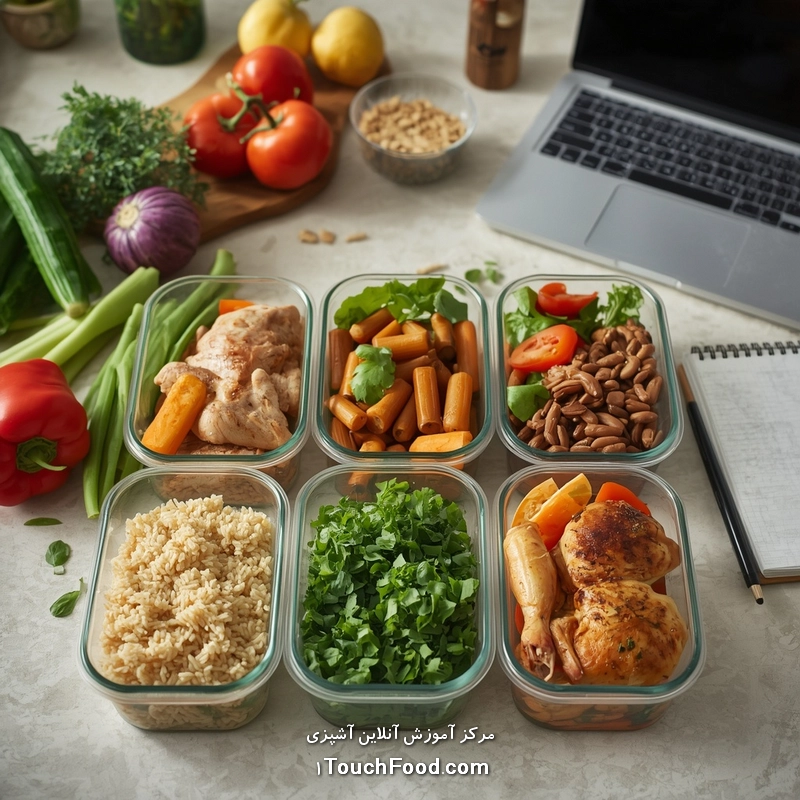
Common Mistakes When Using GPT Chat for Meal Planning
Even a good tool won't give you the desired results if it's not used properly. Take these mistakes seriously:
1. Asking too general: If you only ask for a weekly schedule, you'll likely get offers that don't fit your time or budget. Be clear about the limitations from the beginning.
2. Ignoring home inventory: A plan that requires all ingredients to be purchased from scratch can be an additional expense. Check the contents of your refrigerator and cabinets before requesting.
3. Choosing difficult foods for busy days: Putting time-consuming foods on days when you don't have enough time will disrupt your schedule from the start. Consider your real time.
4. Accept quantities without question: The quantity of ingredients should be in accordance with the number of people and the size of the servings. Review the shopping list before finalizing.
5. Not having a replacement plan: Your meal plan shouldn't be so rigid and fixed that it can be disrupted by a small change. Consider a few simple, replaceable meals for busy days.
FAQ
Can Chat GPT provide a weekly meal plan?
Yes. Chat GPT can prepare a weekly suggested plan based on the number of people in the family, food preferences, budget, and cooking time. It is best to review the plan before implementing it and change it if necessary.
How to create a weekly shopping list with artificial intelligence?
First, define the meal plan and then ask the AI to summarize the ingredients of all the meals into a list. Next, compare the list with your home inventory and actual store prices.
Is it free to use GPT Chat for meal planning?
GPT Chat is available for free on some plans, but features and usage restrictions may vary based on account plan and terms of service. For basic meal planning, you can start with a simple text request.
Can a smart cooking chatbot recommend economical meals?
Yes. If you specify an approximate budget and available ingredients, the tool can suggest less expensive dishes and ways to share ingredients. However, you should check actual prices to make sure the plan is cost-effective.
Can artificial intelligence help people with food allergies?
AI can help to generate a preliminary list of foods that fit the announced restrictions, but it should not be the sole reference for determining food safety. In case of severe allergies, check product ingredients and potential cross-contact, and seek expert advice.

Conclusion: Cooking more organized, with simpler decisions
Meal planning doesn't have to be a time-consuming and tedious task. With the help of Chat GPT, you can find new ideas, organize your weekly meals, create shopping lists, and make better use of the food you have at home.
The important thing is that the plan should be designed for your real life; not something you have to follow a rigid schedule all week. Start with a simple plan, monitor the results, and gradually make changes that fit your family's circumstances.
Now it's your turn! If you were to plan your next week's meals with the help of AI, which would be more important to you: saving money, having more variety, or reducing cooking time? Write your experience in the comments section and if you found this guide useful, share it with your friends who are always asking "What should we cook today?"
We have brought you the introduction of cooking radio again. We have reviewed the benefits, a guide to starting listening, and important points in choosing cooking radio programs. Don't forget to check out One Touch Food's Instagram page . Be sure to send us your comments and suggestions.
Prepared on: 1TouchFood cooking site
Don't forget that you can also use food calories to find out the calories in other ingredients.