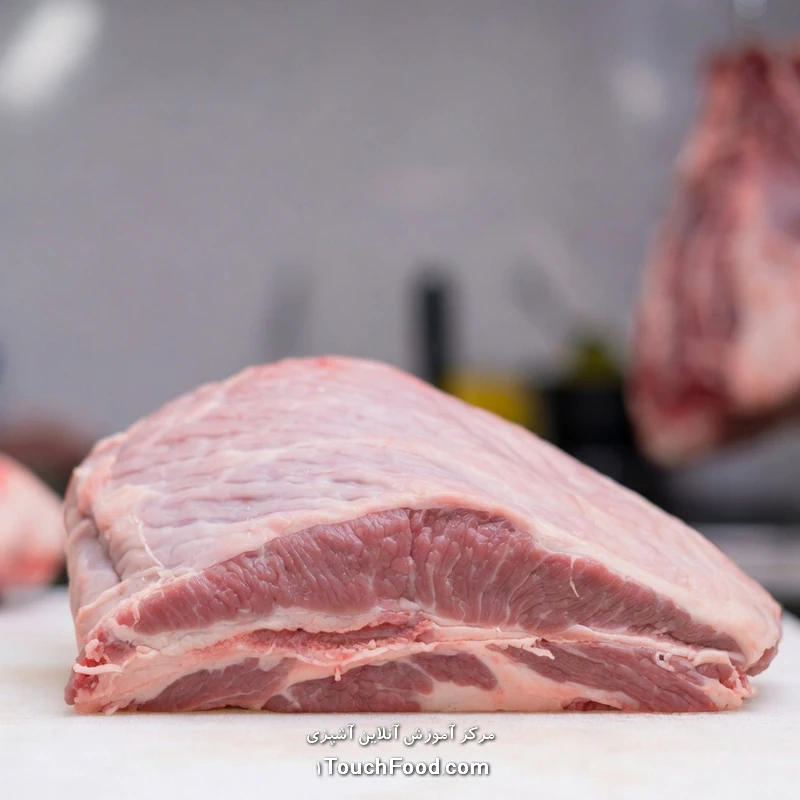
As a low-fat source of protein, camel meat is a good option for people who are considering weight control or balanced diets. Camel meat is lower in calories compared to other red meats, and its nutritional value includes high protein and essential minerals. This article takes a close look at its calories and nutritional composition, based on reliable data, to help you make an informed decision.
The nutritional value of camel meat at a glance
Camel meat is known as a nutritious food, especially in arid and semi-arid regions. Per 100 grams, camel meat has about 136 kcal, making it a lower-calorie option than mutton (which has about 250 kcal). It is high in protein and its fat is mostly unsaturated, which is good for maintaining daily energy levels without weight gain. Below are detailed nutritional tables based on reliable sources such as the International Nutrition Data.
Table 1: Camel meat calories and macronutrients (per 100 grams)
| Nutritious | amount | Percentage Daily Value (approximate) |
|---|---|---|
| Calories | 136 kcal | 7% |
| Protein | 19.5 grams | 39 % |
| Fat | 6.4 grams | 8% |
| Carbohydrates | 0 grams | 0% |
Table 2: Sugar, fiber and salt (per 100 grams)
| Nutritious | amount | Percentage Daily Value (approximate) |
|---|---|---|
| Sugar | 0 grams | 0% |
| Fiber | 0 grams | 0% |
| Sodium (salt) | 90 mg | 4% |
| Cholesterol | 82 mg | 27 % |

Table 3: Important vitamins and minerals (per 100 grams)
| Nutritious | amount | Percentage Daily Value (approximate) |
|---|---|---|
| Iron | 2.1 mg | 12 % |
| Roy | 3.4 mg | 31 % |
| Potassium | 293 mg | 6% |
| Vitamin B12 | 1.5 micrograms | 63 % |
| منیزیم | 23.6 mg | 6% |
Table 4: Camel meat calories in common consumption units
| Consumption unit | Approximate value | Calories |
|---|---|---|
| 1 medium piece (equivalent to 100 grams) | 100 grams | 136 |
| 1 palm (equivalent to 85 grams) | 85 grams | 116 |
| 1 small (equivalent to 50 grams) | 50 grams | 68 |
Table 5: Comparison of calories of raw and cooked camel meat
| Preparation method | Calories per 100 grams | Key Difference |
|---|---|---|
| raw | 98 | Less fat, preserved protein |
| Boiled | 120 | Slight increase in calories due to water absorption |
| Grilled | 136 | Moderate calories, melted fat |
| Fried | 160 | Higher calories due to added oil |
Grilling or boiling is recommended to maintain the nutritional value and control the calories of camel meat, while frying can increase the calories.
Nutritional benefits and uses of camel meat
Camel meat is used in various diets due to its unique composition. Below, we will examine its role in nutritional aspects:
- The role of camel meat in weight loss or gain: With low calories (136 per 100 grams), this meat helps in weight loss, as its high protein content preserves muscles and does not contain excess fat. To gain weight, it can be combined with carbohydrate sources.
- Its effect on feelings of fullness and appetite control: 19.5 grams of protein per 100 grams creates long-lasting fullness and controls appetite, which is beneficial for calorie-counting diets.
- Suitable or unsuitable for weight loss diets: It is perfectly suitable, as its low fat content (6.4 grams) and lack of carbohydrates make it an ideal option for low-fat diets, without reducing daily energy.
- Its place in the athlete's diet: High protein and 2.1 mg of iron help repair muscles and increase oxygenation, which is beneficial for endurance athletes or bodybuilders.
- The impact of balanced consumption on daily energy: The available vitamin B12 and potassium provide sustained energy and reduce fatigue, without increasing calories excessively.
- Short and smart comparison with similar foods: Comparing camel meat calories to lamb, this meat has 50% fewer calories but offers similar protein, making it healthier than lamb.
- Who should consume it in moderation: Those on low-sodium diets or with cholesterol sensitivity should limit consumption to 100-150 grams per day to maintain balance.
These benefits are based on the nutritional value of camel meat extracted per 100 grams and are applicable to general users, dieters, and athletes.
Is consuming too much camel meat a problem?
Moderate consumption of camel meat (about 100-200 grams per day) is usually without problems, as it is low in calories and fat. However, if consumed in excess, the 82 mg of cholesterol per 100 grams may affect blood cholesterol levels in the long term, especially if combined with high-fat diets. Also, the 90 mg of sodium can require monitoring for people with high blood pressure, in large amounts. Focusing on the amount consumed and combining it with vegetables maintains balance and benefits from its protein and minerals, without placing an additional burden on the body.

FAQ
How many calories are in camel meat?
Camel meat calories are about 136 kcal per 100 grams, which includes 19.5 grams of protein and 6.4 grams of fat.
Is camel meat suitable for diet?
Yes, with its low fat and high protein content, it is ideal for weight loss and weight control diets, provided it is consumed in moderation.
What is the best way to consume camel meat to control calories?
Grilling or boiling is best, as it keeps calories low and maintains nutritional value.
What is the difference in calories in different cooking methods?
Raw: 98 calories, boiled: 120, grilled: 136, and fried: 160 per 100 grams; oil-free methods have fewer calories.
Final summary
Low in calories, rich in protein and essential minerals, camel meat is a smart choice for balanced diets. Its nutritional value table per 100 grams indicates a nutritional balance that helps with satiety, energy and weight control. Knowing this data, you can add it to your diet and enjoy its benefits, without worrying about overeating. This conscious choice helps maintain overall health.
Don't forget that you can also use food calories to find out the calories in other ingredients.
Nutritional data source: FoodData Central – USDA