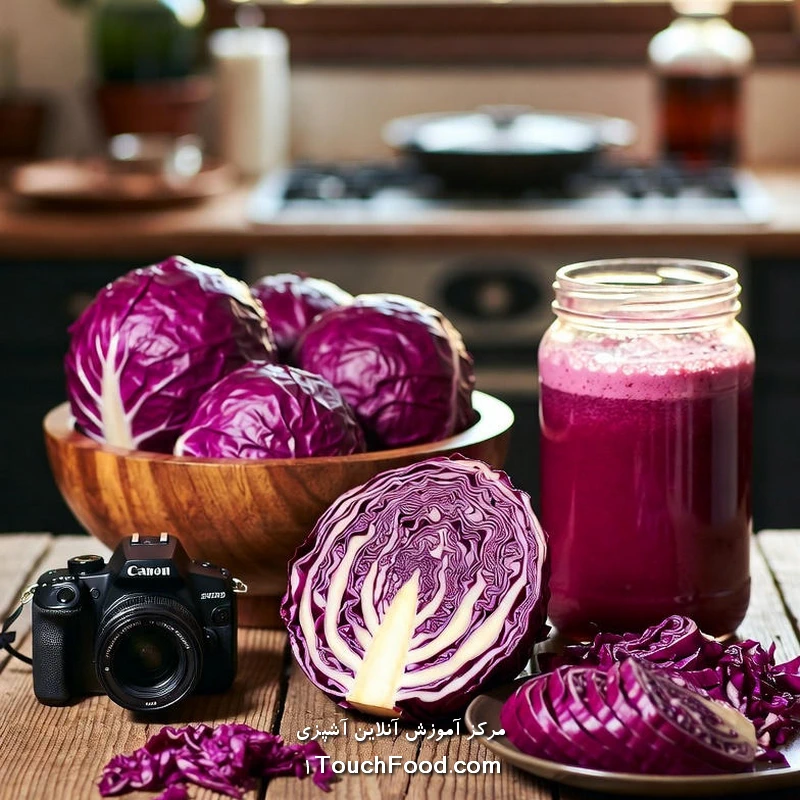
Red cabbage is a popular vegetable that has a special place in various diets due to its low calories and rich nutrients. If you are looking to control your weight or want to know the nutritional value of red cabbage, this article will help you get accurate information about red cabbage calories and its composition. By focusing on scientific data, you can make better decisions for your daily diet.
Red cabbage calories and its main ingredients
Raw red cabbage is low in calories and can be part of a balanced diet. Below, we review the nutritional value tables for red cabbage based on reliable data. This information is based on 100 grams of raw red cabbage and will help you manage your daily intake.
Red cabbage calorie table and macronutrients per 100 grams
| Nutrient | amount |
|---|---|
| Calories | 31 kcal |
| Protein | 1.43 grams |
| Fat | 0.16 grams |
| Carbohydrates | 7.37 grams |
This table shows that red cabbage's calories come mainly from carbohydrates, while its fat content is very low. This combination is ideal for those looking for a low-calorie source.

Table of sugar, fiber and salt per 100 grams
| Nutrient | amount |
|---|---|
| Sugar | 3.83 grams |
| Fiber | 2.1 grams |
| Sodium (salt) | 27 mg |
| Cholesterol | 0 mg |
The fiber in red cabbage aids in better digestion, and its natural sugars are free of added sugars. The lack of cholesterol also makes it suitable for heart-healthy diets.
Table of important vitamins and minerals
| Vitamin or mineral | amount | Approximate Daily Value Percentage |
|---|---|---|
| Vitamin C | 57 mg | 63 % |
| Vitamin K | 38.2 micrograms | 32 % |
| Vitamin A | 1116 international units | 22 % |
| Potassium | 243 mg | 5% |
| Calcium | 45 mg | 3% |
| Iron | 0.8 mg | 4% |
These vitamins and minerals are key, making red cabbage a rich source of antioxidants. Vitamin C is good for boosting the immune system and vitamin K is good for bone health.
Calorie table in common consumption units
| Consumption unit | Approximate value | Approximate calories |
|---|---|---|
| 1 medium leaf (about 20 grams) | 20 grams | 6 kcal |
| 1 cup chopped (about 89 grams) | 89 grams | 28 kcal |
| 1 palm (about 50 grams) | 50 grams | 15.5 kcal |
These values are practical and will help you calculate the calories of red cabbage in everyday servings. For example, a chopped cup can be part of a salad without adding too many calories.
Raw and cooked calorie comparison table
| Preparation method | Calories per 100 grams |
|---|---|
| raw | 31 kcal |
| Cooked (boiled without salt) | 29 kcal |
| Fried (with minimal oil) | About 40-50 kcal (depending on oil) |
| Grilled | About 32 kcal |
The calorie difference between cooked and raw red cabbage is negligible, but the cooking method can affect nutrient absorption. Boiling preserves vitamins, while frying increases calories slightly.
Nutritional benefits and uses of red cabbage
Red cabbage is not only low in calories, but it can also play a positive role in various diet plans. The nutritional value of red cabbage per 100 grams makes it a good option for weight control. Here are some uses:
- The role of red cabbage in weight loss: With low calories and high fiber, it can increase the volume of food without adding many calories, which helps control daily calories.
- Effect on feelings of fullness and appetite control: 2.1 grams of fiber per 100 grams helps to create a longer feeling of fullness, which is useful for preventing overeating.
- Suitable for weight loss diets: The benefits of red cabbage for weight loss include being low in calories and rich in nutrients, so it fits into low-carb or vegetarian diets.
- Place in athletes' diets: Its protein and vitamins provide sustained energy and aid in post-workout recovery, without adding fat.
- The effect of balanced consumption on daily energy: By providing vitamin C and potassium, it maintains daily energy without blood sugar fluctuations.
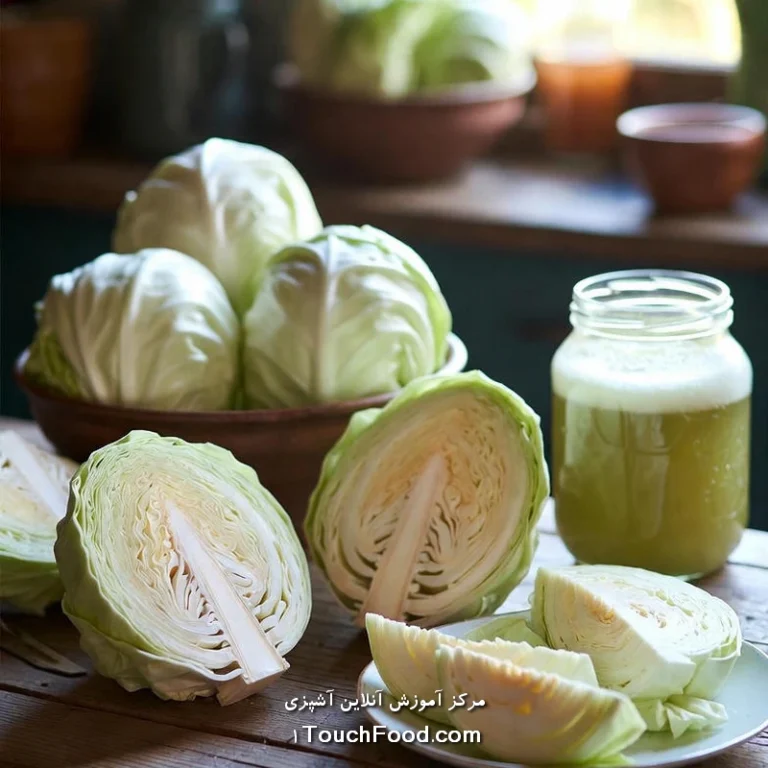
- Brief comparison with similar foods: Compared to white cabbage, red cabbage has more vitamin C (57 mg vs. about 36 mg), but similar calories (31 vs. 25).
- Who should consume it in moderation: Those on low-potassium diets or with digestive sensitivities to high fiber can adjust the amount to ensure nutritional balance.
These benefits are based on the nutritional value of raw red cabbage and can be part of a healthy lifestyle.
Is eating too much red cabbage a problem?
Red cabbage is generally safe to consume in moderation, but like any food, too much of it can affect some people. For example, its high fiber content (2.1 grams per 100 grams) can cause bloating or digestive changes in large quantities, so it is recommended to start small and increase gradually. Also, its high vitamin K content may interfere with certain diets, but this is rare. Focusing on a daily intake of 100-200 grams can maintain balance without causing problems. Always pay attention to your body's individual needs and maintain a variety of foods.

Frequently Asked Questions About Red Cabbage Calories
How many calories are in red cabbage?
The calories in raw red cabbage are about 31 kcal per 100 grams. This low amount makes it a suitable option for low-calorie diets.
Is red cabbage good for dieting?
Yes, the benefits of red cabbage for weight loss include low calories, high fiber, and rich vitamins that help with weight control, but it should be part of a balanced diet.
What is the best way to consume calories?
It is best to eat it raw in salads or boiled without additives, as it keeps calories to a minimum and retains nutrients.
What is the difference in red cabbage calories in different cooking methods?
The calories in raw red cabbage are 31, cooked 29, but fried can increase to 50 depending on the oil used.
Final summary
Low in calories and high in nutritional value, red cabbage can be a smart choice for your daily diet. From 31 calories per 100 grams to key vitamins like C and K, this vegetable helps you manage energy and feel fuller longer. Using the red cabbage nutritional value tables, you can adjust your intake based on your needs. Ultimately, including it in a balanced diet helps you make informed food decisions and increases variety.
Don't forget that you can also use food calories to find out the calories in other ingredients.
Nutritional data source: FoodData Central – USDA