Introduction
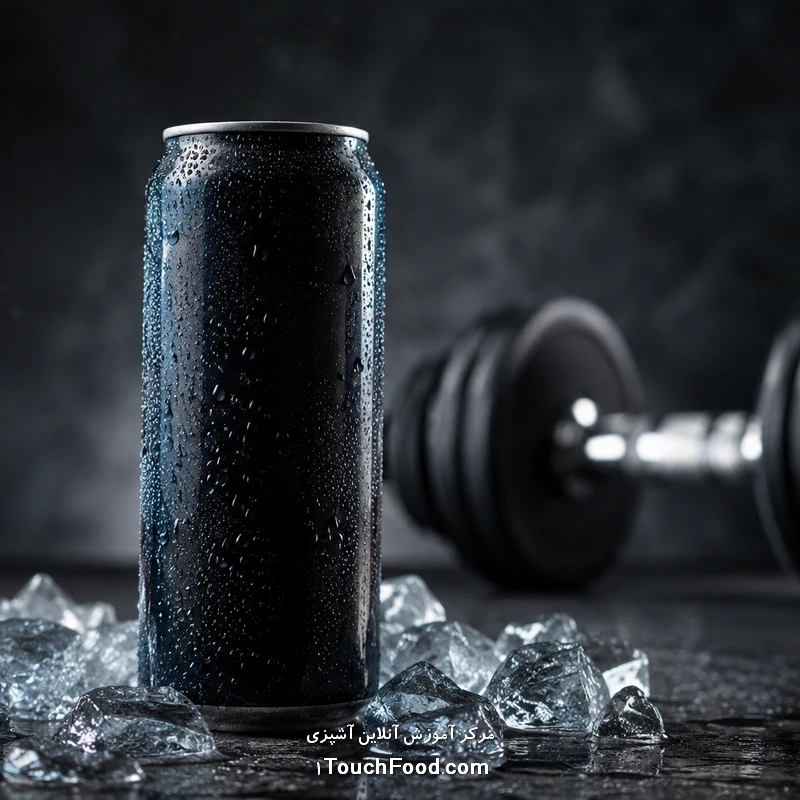
If you want to know how many calories are in an energy drink and whether it is compatible with a weight loss diet or an athlete's diet, this guide provides you with accurate and practical nutritional information. Below, we will review the nutritional value of energy drinks per 100 grams, the calorie content in common volumes and important points for consumption. The nutritional information is based on the average of typical energy drinks and there may be slight differences between brands.
Energy drink calories and nutritional value table per 100 grams
Table 1: Energy drink calories and macronutrients (per 100 grams)
| Nutrient | amount |
|---|---|
| Energy drink calories | 45 to 58 kcal |
| Protein | 0 to 0.3 grams |
| Fat | 0 to 0.1 grams |
| Carbohydrates | 11 to 12.7 grams |
The majority of energy drink calories come from carbohydrates and simple sugars.
Table 2: Sugar, fiber, sodium and cholesterol (per 100 grams)
| Nutrient | amount |
|---|---|
| Sugar | 10 to 12.7 grams |
| Fiber | 0 grams |
| Sodium | 17 to 84 mg |
| Cholesterol | 0 mg |
Table 3: Important vitamins and minerals
| Micronutrient | Approximate value |
|---|---|
| Vitamin B2 | 1.42 mg |
| Vitamin B3 | 8.33 mg |
| Vitamin B6 | 0.83 mg |
| Vitamin B12 | 2.5 micrograms |
| Calcium | 13 mg |
| منیزیم | 3 mg |
| Potassium | 3 mg |
Many energy drinks are fortified with B vitamins, but the amount varies depending on the brand.

Table 4: Energy drink calories in common consumption units
| Dosage | Approximate calories |
|---|---|
| 100 grams | 45 to 58 calories |
| 100 milliliters | 46 to 58 calories |
| A 250 ml can | 110 to 145 calories |
| A 330 ml can | 150 to 190 calories |
Table 5: Comparison of regular and sugar-free energy drinks
| Type of drink | Calories per 100 grams |
|---|---|
| Regular energy drink | 45 to 58 calories |
| Sugar-free energy drink | 1 to 10 calories |
Sugar-free versions usually have much fewer calories because they use low-calorie sweeteners.
Nutritional Benefits and Uses of Energy Drinks
- Rapid energy boost due to the presence of simple sugars.
- Providing some B vitamins that play a role in energy metabolism.
- It can provide accessible energy before short-term, intense activities.
- It does not create a feeling of fullness because it lacks fiber and protein.
- It is not an ideal choice for a weight loss diet, as its calories come mainly from sugar.
- Athletes who need immediate energy may use it in certain situations, but it is not a substitute for specialized sports drinks or a balanced diet.
- Compared to regular soda, some brands have B vitamins, but they are not significantly different from many sugary drinks in terms of sugar and calories.
- People who want to control their daily sugar and calorie intake should manage their intake or use sugar-free varieties.
Are energy drinks suitable for a weight loss diet?
If your goal is to lose weight, regular energy drinks are not a good choice because they add a significant amount of sugar and calories to your diet without making you feel full. In contrast, sugar-free varieties have much fewer calories, but should still be consumed as part of a balanced diet.
The best way to control calories is to limit your sugary drinks and replace them with water, unsweetened soda, or low-calorie beverages most days of the week.

Is excessive energy drink consumption a problem?
Moderate energy drink consumption is usually manageable for many healthy adults, but overindulging can increase your sugar, calorie, and caffeine intake. Consistently consuming extra calories may also make it harder to control your weight in the long run.
For this reason, it's best to consider this drink as an occasional choice, not a consistent part of your daily diet. Also, when consuming, consider your total daily intake of sugar and caffeine from other sources.
FAQ
How many calories are in an energy drink per 100 grams?
On average, it contains between 45 and 58 kcal per 100 grams, which varies depending on the brand.
Are energy drinks good for a diet?
If it's a regular energy drink, it's not a good choice for a weight loss diet because of its relatively high sugar content. Sugar-free varieties have much fewer calories.
What is the best way to consume calories?
Limiting consumption, choosing sugar-free versions, and avoiding daily consumption are the best ways to control calorie intake.
What is the difference in calories between regular and sugar-free energy drinks?
The regular variety has about 45 to 58 calories per 100 grams, while the sugar-free variety usually provides 1 to 10 calories for the same amount of energy.

Conclusion
Energy drinks typically contain between 45 and 58 calories per 100 grams , with most of this energy coming from simple sugars. They are virtually devoid of protein, fat and fibre, but some brands are fortified with B vitamins. If your goal is to control your weight or reduce your sugar intake, limiting your intake of regular energy drinks or opting for sugar-free varieties may be a more informed choice. Checking the nutrition label of each brand can also help you make a more informed decision, as ingredients and calorie counts can vary between products.
We have brought you the introduction of cooking radio again. We have reviewed the benefits, a guide to starting listening, and important points in choosing cooking radio programs. Don't forget to check out One Touch Food's Instagram page . Be sure to send us your comments and suggestions.
Prepared on: 1TouchFood cooking site
Don't forget that you can also use food calories to find out the calories in other ingredients.
Nutritional data source: FoodData Central – USDA