Introduction
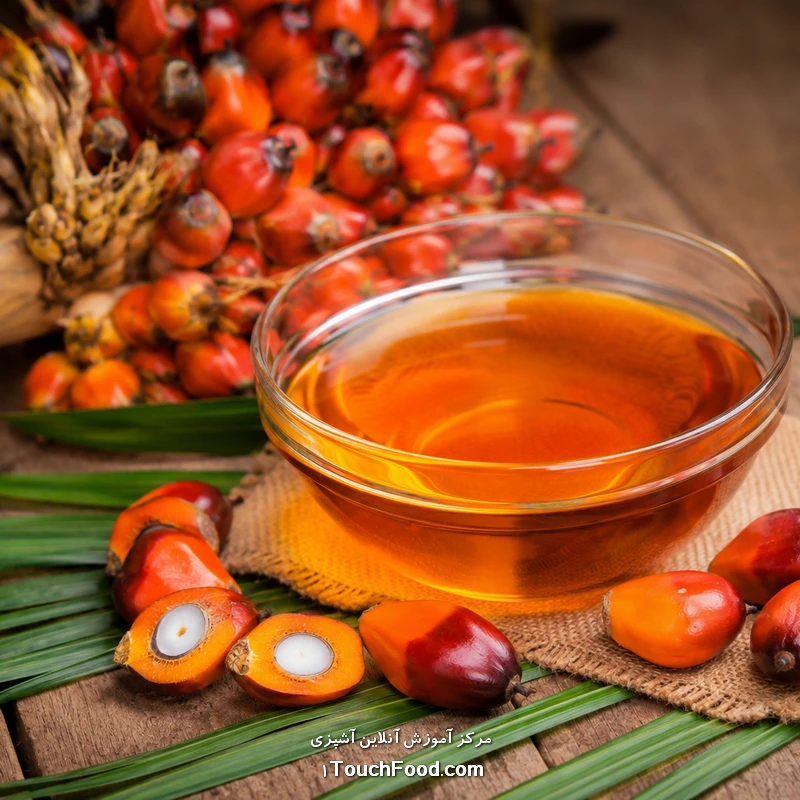
If you want to know how many calories are in palm oil and whether this oil has a place in a diet, weight control or athletes' diet, it is very important to know its nutritional value. Palm oil is one of the most widely consumed vegetable oils in the world, which is widely used in the food and cooking industries due to its high thermal stability. Below, we will examine the complete table of the nutritional value of palm oil per 100 grams.
Palm oil calories and nutritional value per 100 grams
Table 1: Calories and macronutrients (per 100 grams)
| Nutrient | amount |
|---|---|
| Calories | 884 kcal |
| Protein | 0 grams |
| Fat | 100 grams |
| Carbohydrates | 0 grams |
The nutritional data source shows that almost all of palm oil's energy comes from fat and is devoid of protein and carbohydrates.
Table 2: Sugar, fiber, salt and cholesterol (per 100 grams)
| Nutrient | amount |
|---|---|
| Sugar | 0 grams |
| Fiber | 0 grams |
| Sodium | 0 mg |
| nmḵ | 0 grams |
| Cholesterol | 0 mg |
Palm oil is a vegetable oil and naturally contains no cholesterol.
Table 3: Important vitamins and minerals
| Micronutrient | Approximate amount per 100 grams |
|---|---|
| Vitamin E | 15 to 22 mg |
| Vitamin A (in unrefined forms) | About 540 IU or more |
| Iron | 0.01 mg |
| Calcium | insignificant |
| Potassium | insignificant |
Palm oil is particularly known for its antioxidant compounds of the vitamin E family, such as tocopherols and tocotrienols.

Palm oil calories in common consumption units
Table 4: Calories in Common Consumption Units
| Dosage | Calories |
|---|---|
| 1 teaspoon (5 grams) | 44 kcal |
| 1 tablespoon (14 grams) | 124 kcal |
| 2 tablespoon (28 grams) | 248 kcal |
| 50 grams | 442 kcal |
| 100 grams | 884 kcal |
Because palm oil is almost 100 percent fat, even small amounts provide significant energy.
Comparing the calories of palm oil in different ways of consumption
Table 5: Comparison of consumption methods
| Method of use | Approximate calories |
|---|---|
| 1 tablespoon raw | 124 kcal |
| 1 tablespoon in frying | 124 kcal |
| 1 tablespoon in frying | 124 kcal |
Palm oil itself does not gain more calories when heated, but fried foods tend to absorb more oil, increasing the final calorie count of the meal.
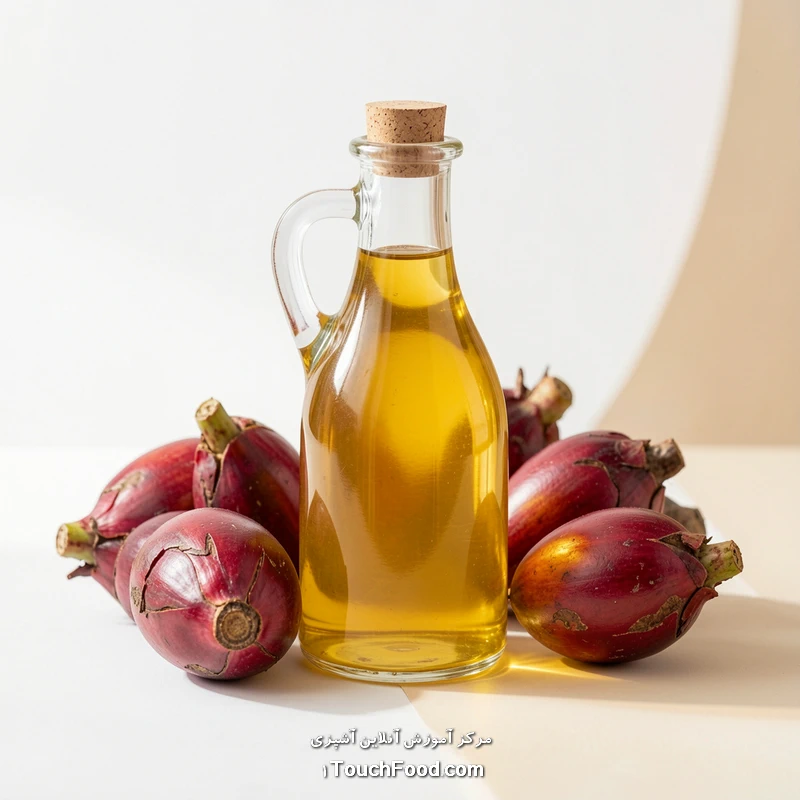
Nutritional benefits and uses of palm oil
The role of palm oil in the diet
- Its balanced consumption can provide part of the body's daily fat needs.
- Due to its high energy density, it is used in weight gain diets and increased calorie intake.
- For people with higher energy needs, such as some endurance athletes, it can be a concentrated source of energy.
Effect on the feeling of fullness
- Fats are digested more slowly than simple carbohydrates.
- Moderate use of palm oil in meals can help increase the feeling of fullness.
Suitable for weight loss diet
- Palm oil is not inherently "fattening"; the main cause of weight gain is excess calorie intake.
- However, due to its high calorie content, it is important to control its intake in weight loss diets.
Place in the athletes' diet
- It is a fast and concentrated source of energy.
- It can be used alongside other sources of beneficial fat to provide daily energy.
- It lacks protein and is not suitable for muscle recovery alone.
Impact on daily energy
- Each gram of fat provides about 9 calories of energy.
- Palm oil is considered one of the most energy-dense sources of food because it is 100% fat.
Comparison with similar oils
- The calories of palm oil, olive oil, and sunflower oil are almost similar.
- The main difference between these oils is more related to the composition of fatty acids and micronutrients, not the calorie content.
Who should maintain a balance in their consumption?
- People who are losing weight.
- Those with a high daily fat intake.
- People whose diet consists largely of processed foods containing palm oil.
Is consuming too much palm oil a problem?
Palm oil is usually consumed in moderation as part of a varied diet. However, it is about 50% saturated fat, and consuming too much can increase the amount of saturated fat in your diet. For this reason, nutritionists usually recommend using a variety of vegetable oils in your diet, and keeping any type of oil in moderation.

FAQ
How many calories are in palm oil?
There are about 884 kcal of energy in every 100 grams of palm oil .
Is palm oil suitable for a weight loss diet?
If the amount consumed is controlled, it can be used in a weight loss diet; however, due to its high calories, it must be measured carefully.
How many calories are in each tablespoon of palm oil?
A standard tablespoon of palm oil has about 124 kcal of energy.
What is the best way to consume calories?
Using measured amounts in cooking and avoiding deep frying helps control calorie intake.
Do the calories in palm oil change when heated?
No. The calories in the oil itself remain roughly constant, but fried foods tend to absorb more oil, increasing the calories in the overall meal.
Conclusion
The calories of palm oil in 100 grams are 884 kcal , and almost all of this energy comes from fat. This oil is devoid of protein, carbohydrates, and fiber, but it does contain some vitamin E and antioxidant compounds. For people looking to control their weight, the most important thing to pay attention to is the amount consumed, because even a few tablespoons of this oil can provide a significant portion of daily calories. Moderate and conscious use of palm oil along with other vegetable oils can help create a varied and balanced eating pattern.
We have brought you the introduction of cooking radio again. We have reviewed the benefits, a guide to starting listening, and important points in choosing cooking radio programs. Don't forget the One Touch Food Instagram page . Be sure to send us your comments and suggestions.
Prepared on: 1TouchFood cooking site
Don't forget that you can also use food calories to find out the calories in other ingredients.
Nutritional data source: FoodData Central – USDA