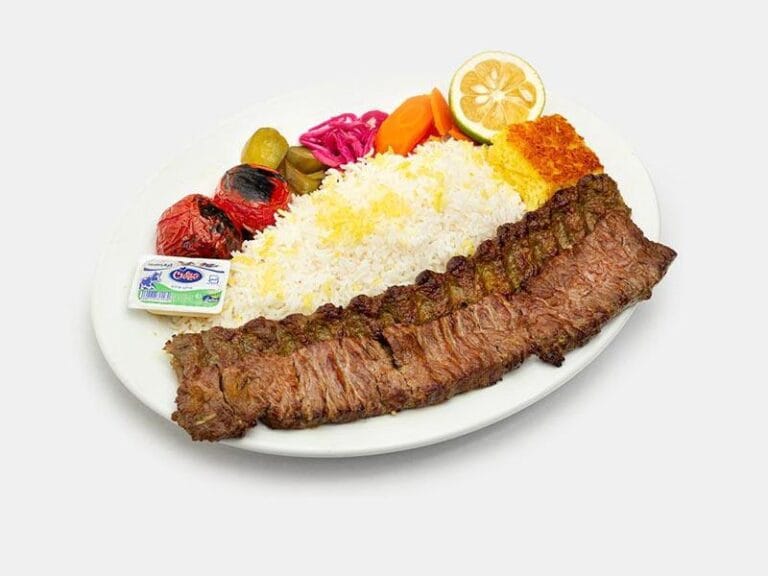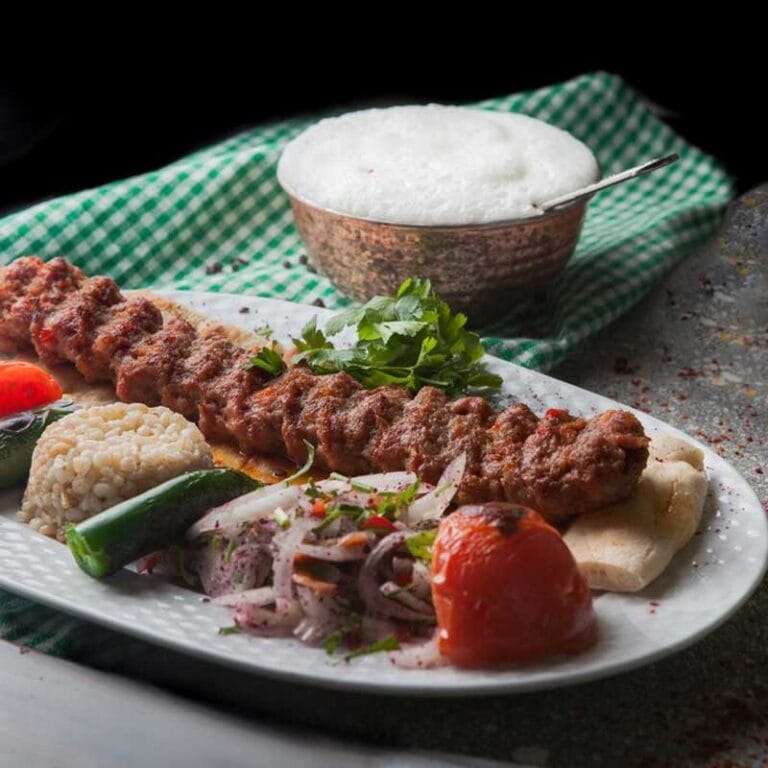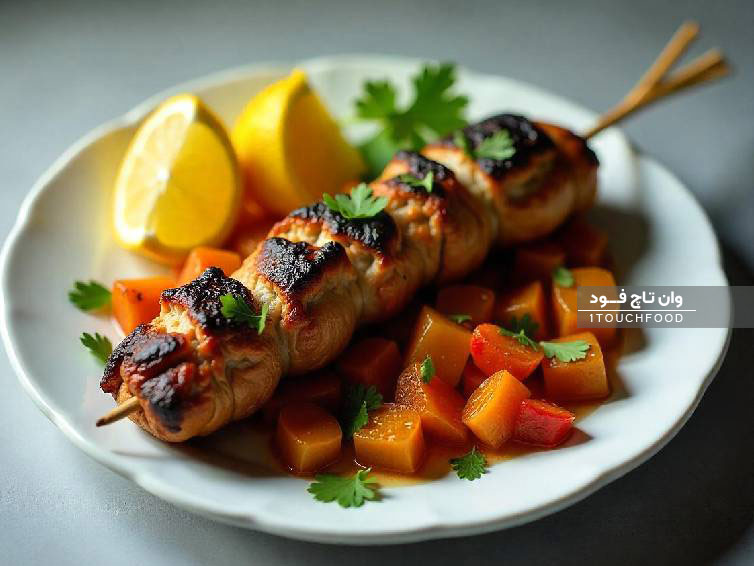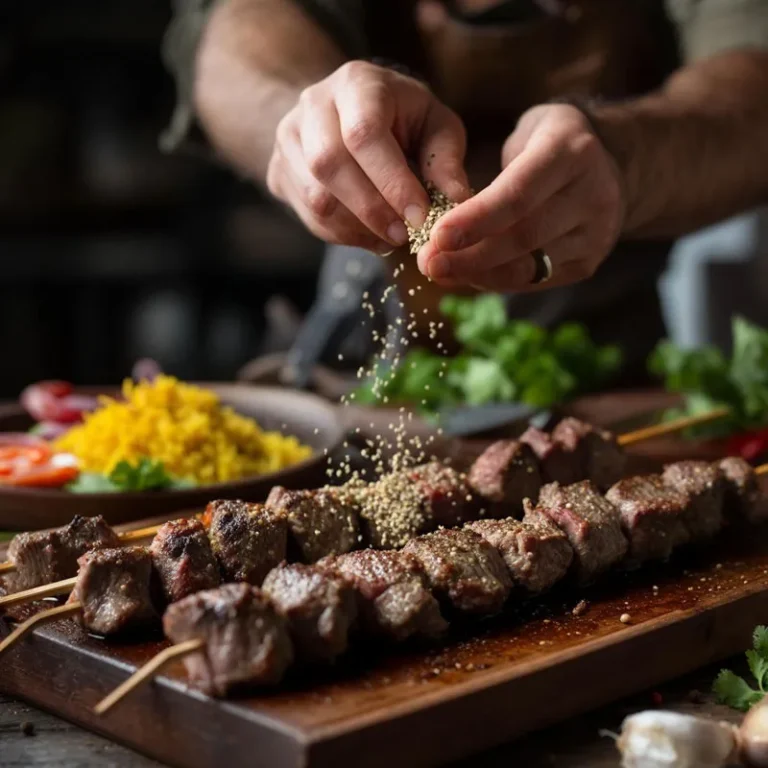

Welcome to the article Difference Between Bakhtiari and Caucasian Kebab. Both Iranian and Caucasian cuisines have a rich cultural and historical background that is reflected in their traditional dishes. Two popular types of kebabs that have always been a favorite of meat lovers are Bakhtiari Kebab and Caucasian Kebab. In this article, we will examine and analyze in detail the differences and similarities between these two types of kebabs.
Bakhtiari and Caucasian kebab

Before we answer the difference between Bakhtiari and Caucasian kebabs, we need to know what Bakhtiari and Caucasian kebabs are. These two kebabs are available in many famous and renowned restaurants in Tehran today and can be ordered.
Introducing Bakhtiari Kebab
Bakhtiari kebab, named after the Bakhtiari people of Iran, is a combination of red and white meat, usually made with alternating pieces of lamb and chicken fillet. This combination gives the kebab a unique flavor and texture that sets it apart from other kebabs.
Preparation and ingredients
To make Bakhtiari kebab, you need fresh mutton and boneless chicken breast. The marinade ingredients include onion, lemon juice, olive oil, salt, pepper, and saffron. The pieces of meat should be marinated for at least a few hours so that the flavors can be well absorbed.
Introducing Caucasian Kebab
Caucasian kebab, also known as shish kebab, is most popular in the Caucasus countries. It is usually made from lamb, beef, or chicken and is accompanied by a variety of vegetables.
Preparation and ingredients
To prepare Caucasian kebab, you need fresh meat, onions, bell peppers, tomatoes, and other vegetables of your choice. The meat is marinated using ingredients such as olive oil, vinegar, salt, and spices. The kebab is cooked over charcoal fire, which gives it a special smoky flavor.
The difference between Bakhtiari and Caucasian kebabs is case by case.

The difference between Bakhtiari and Caucasian kebabs lies in the type of meat and their cooking method. Bakhtiari kebabs are prepared with a combination of red and white meat, while Caucasian kebabs can be made with different types of meat and vegetables. Also, the marinade ingredients and flavorings are different in both kebabs. Below, we will explain the difference between Bakhtiari and Caucasian kebabs, respectively:
1. Meat combination : Bakhtiari kebab is made from a unique combination of red (usually lamb) and white (chicken) meat, while Caucasian kebab is usually cooked from a single type of meat (lamb, beef, or chicken) along with various vegetables.
2. Cooking method : Bakhtiari kebab is generally cooked with alternating pieces of red and white meat on a skewer, while Caucasian kebab often includes larger pieces of meat skewered with vegetables and cooked over a charcoal fire.
3. Marinade and spices : The marinade and spices used in Bakhtiari kebab and Caucasian kebab are different. Bakhtiari kebab is usually seasoned with saffron, lemon juice, and olive oil, while Caucasian kebab uses various spices such as pepper, vinegar, and sometimes dried vegetables for flavoring.
4. Texture and Taste : Due to the difference in the composition of meat and marinade ingredients, the texture and taste of Bakhtiari kebab and Caucasian kebab are different. Bakhtiari kebab offers a tender and varied texture with its combination of different meats, while Caucasian kebab offers a different taste experience with its smoky flavor and combination with vegetables.
5. Tradition and Culture : Bakhtiari kebab is rooted in the culture and traditions of the Bakhtiari people of Iran, while Caucasian kebab represents the culture and cuisine of the Caucasus region. This cultural difference is reflected in the way these kebabs are prepared, served, and enjoyed.
Nutritional value table showing the difference between Bakhtiari and Caucasian kebabs

To show the exact nutritional value of Bakhtiari and Caucasian kebabs, the following values are based on a standard serving (about 200 grams). It should be noted that these values are approximate and may vary depending on the instructions and ingredients used. After reading this table, you will understand the difference between Bakhtiari and Caucasian kebabs.
| Specifications | Bakhtiari Kebab | Caucasian kebab |
|---|---|---|
| Calories (kilocalories) | 250 | 265 |
| Protein (grams) | XNUMX | 20 |
| Total fat (grams) | 15 | 18 |
| Saturated fat (grams) | ۴ | ۵ |
| Carbohydrates (grams) | ۳ | ۵ |
| Fiber (grams) | ۰ | ۱ |
| Sugar (grams) | ۱ | ۲ |
| Sodium (mg) | 75 | XNUMX |
Final words
Ultimately, the difference between Bakhtiari and Caucasian kebabs comes down to personal taste and willingness to experiment with different flavors. Both kebabs have unique flavors and textures and can offer a delightful experience of traditional Iranian and Caucasian cuisine. For those looking for a variety of delicious meat dishes, we recommend that you try cooking and tasting both types of kebabs. This experience will not only introduce you to new flavors, but it will also be an opportunity to learn more about the culture and cuisine of different regions.

We have brought you the introduction of cooking radio again. We have reviewed the benefits, a guide to starting listening, and important points in choosing cooking radio programs. Don't forget the One Touch Food Instagram page . Be sure to send us your comments and suggestions.
Prepared on: 1TouchFood cooking site