
Washing meat before cooking is a topic that generates a lot of debate among chefs and nutritionists. Some believe that washing meat is necessary to remove bacteria and contaminants, while others believe that it can eliminate the health benefits of meat and even increase the risk of foodborne illness.
Reasons to wash meat:
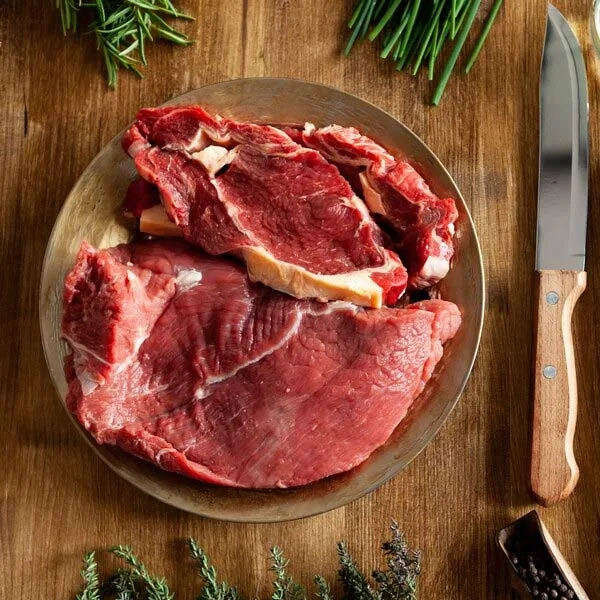
- Killing bacteria: Raw meat can contain bacteria such as salmonella, E. coli, and listeria, which can cause foodborne illnesses. Washing meat with water can help remove some of these bacteria from the surface of the meat.
- Removal of blood and other contaminants: Raw meat may contain blood, slime, and other contaminants that can give the food an unpleasant taste and odor. Washing the meat with water can help remove these contaminants.
Reasons not to wash meat:
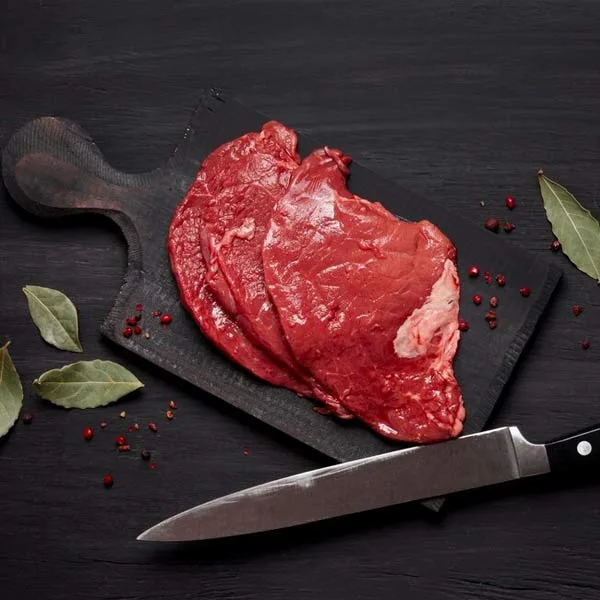
- Spread of bacteria: Washing meat with water can spread bacteria from the surface of the meat to other kitchen surfaces, such as the sink, cutting board, and other utensils. This can increase the risk of contaminating other foods and increasing the risk of foodborne illness.
- Eliminating health benefits: Meat contains vitamins and minerals that are good for your health. Washing meat with water can remove some of these nutrients.
- No effect on harmful bacteria: Washing meat with water will not kill harmful bacteria that have penetrated deep into the meat. Thorough cooking is the only surefire way to kill these bacteria.
Alternative ways to wash meat:
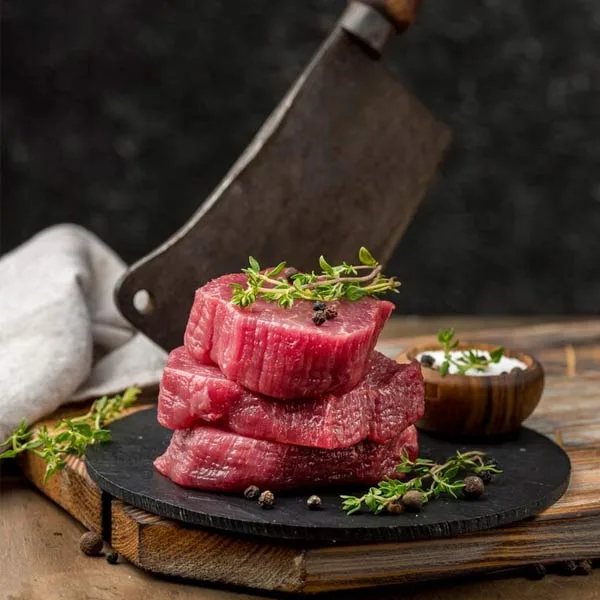
- Using paper towels: Instead of washing the meat with water, you can use a paper towel to wipe the surface of the meat. This will help remove some of the bacteria and contaminants from the surface of the meat without increasing the risk of spreading them to other surfaces in the kitchen.
- Marinating the meat: Marinating meat before cooking can help kill some bacteria from the surface of the meat and also add flavor.
- Fully cooking meat: Cooking meat thoroughly is the only surefire way to kill harmful bacteria, including those that have penetrated deep into the meat. Cook meat to the proper internal temperature to ensure it is cooked through.
Ultimately, the decision to wash meat before cooking is up to you. If you decide to wash and clean your meat, be sure to use the correct methods to do so to reduce the risk of foodborne illness.
Hints:
- Wash your hands with warm water and soap before and after handling raw meat.
- Clean all surfaces that have come into contact with raw meat with warm water and soap.
- Keep raw meat separate from other foods.
- Store meat at the appropriate temperature in the refrigerator or freezer.
- Cook meat thoroughly before consuming.
The Experience of Asian and European Peoples of Washing Meat Before Cooking: A Journey Through the World of Culture and Tradition
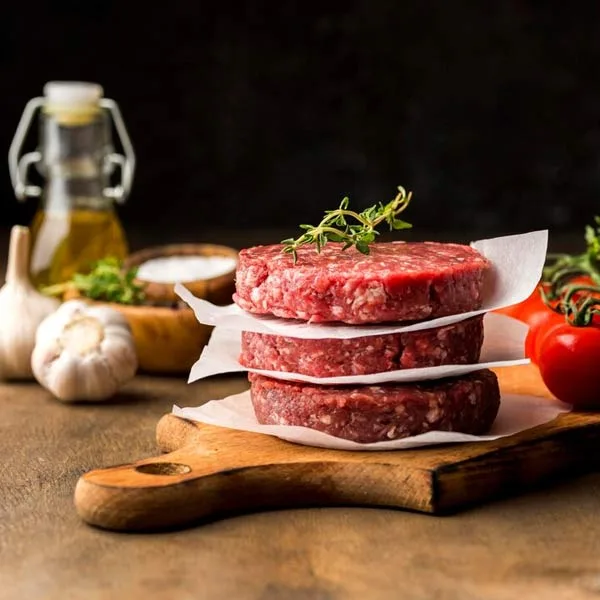
Washing meat before cooking has different approaches in Asian and European culinary cultures. Here we explore the experiences of people from these two continents in this regard:
Asia:
Washing as a necessity: In many Asian countries, thoroughly washing meat before cooking is considered a hygienic necessity. It is seen as a way to remove bacteria, blood, and other contaminants from the surface of the meat and prevent foodborne illnesses.
Traditional methods: There are different methods for washing meat in Asia. In some countries, the meat is washed with cold water, in others with warm water. Salt, vinegar, or other substances may also be used to help kill bacteria.
Personal experience: Many Asians have been taught since childhood to wash meat before cooking and consider it part of their culinary tradition. Some believe that washing all meat makes it taste better, while others believe that it is essential for their health.
Europe:
Failure to wash as a common practice: In many European countries, washing meat before cooking is considered unnecessary and even harmful. This can spread bacteria to other kitchen surfaces and increase the risk of foodborne illness.
Focus on thorough cooking: Instead, the focus in European cooking is on thoroughly cooking the meat to kill all harmful bacteria. Cooking meat to the proper internal temperature is the only surefire way to kill these bacteria.
Cultural differences: In some European countries, such as Italy and Spain, washing meat before cooking is still common. However, in many other countries, this practice is increasingly outdated.
Comparison:
- Asia: Washing meat before cooking is considered a hygienic necessity, and there are various traditional methods for doing so.
- Europe: Washing meat before cooking is considered an unnecessary and even harmful practice, and the focus is on thoroughly cooking the meat.
By following these tips, you can enjoy eating healthy and safe meat.
We hope you enjoyed the article on the difference between leaf and kebab. Be sure to send us your comments and suggestions. Dear friends, you can install the cooking education application directly on your phone and benefit from its services. Be sure to read the article on what to cook for lunch .
Prepared on: 1TouchFood cooking site

