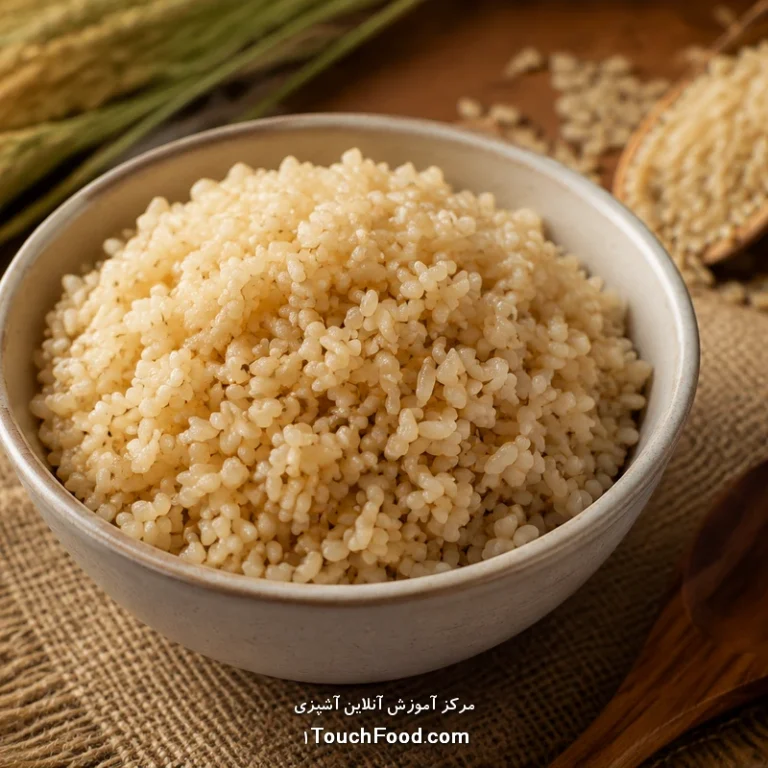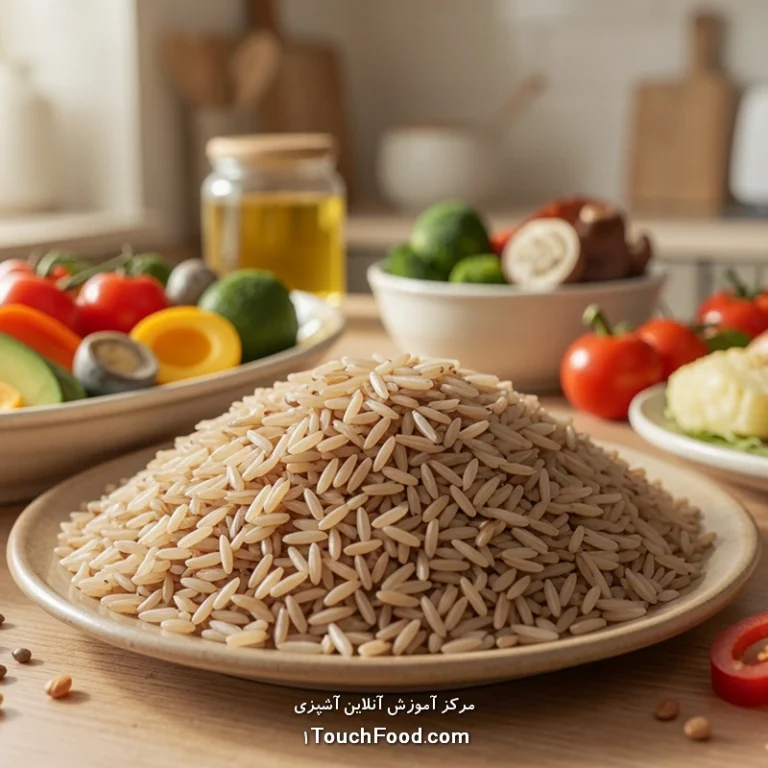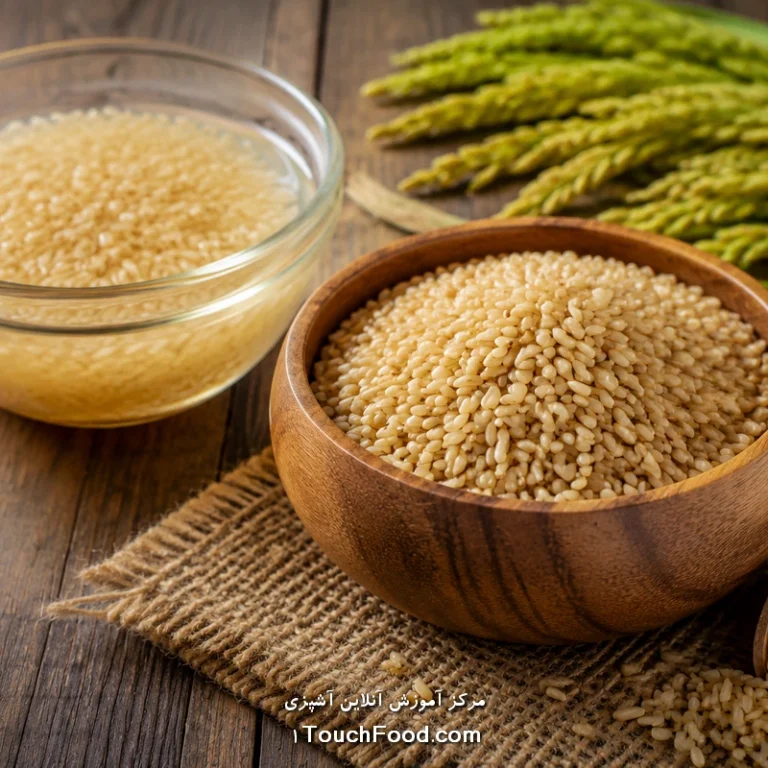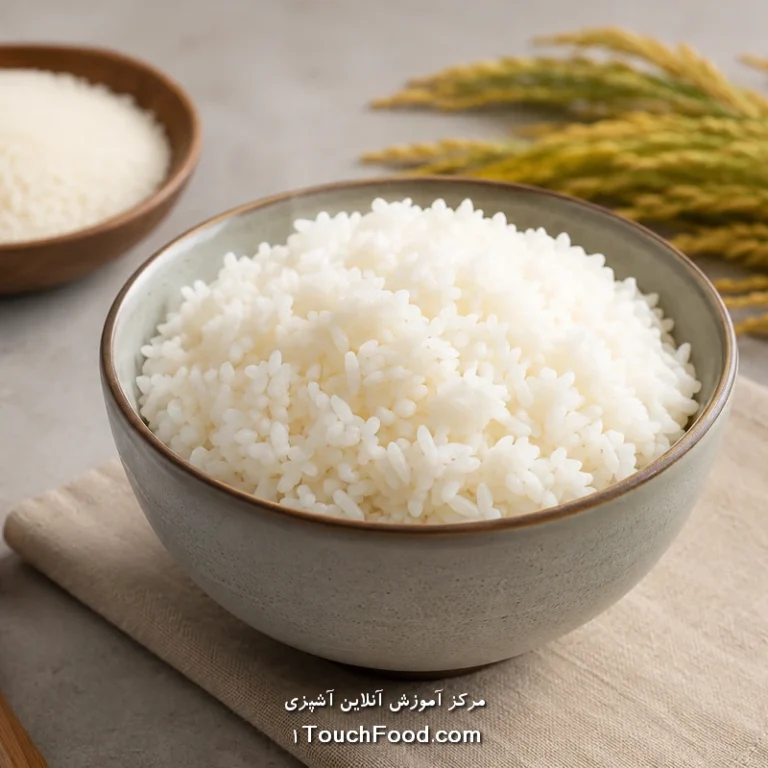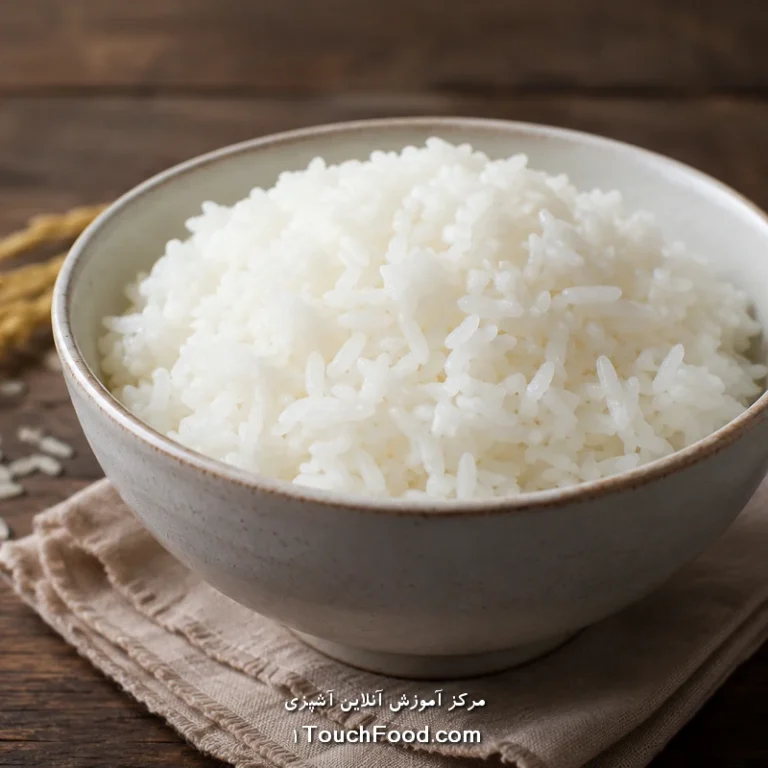
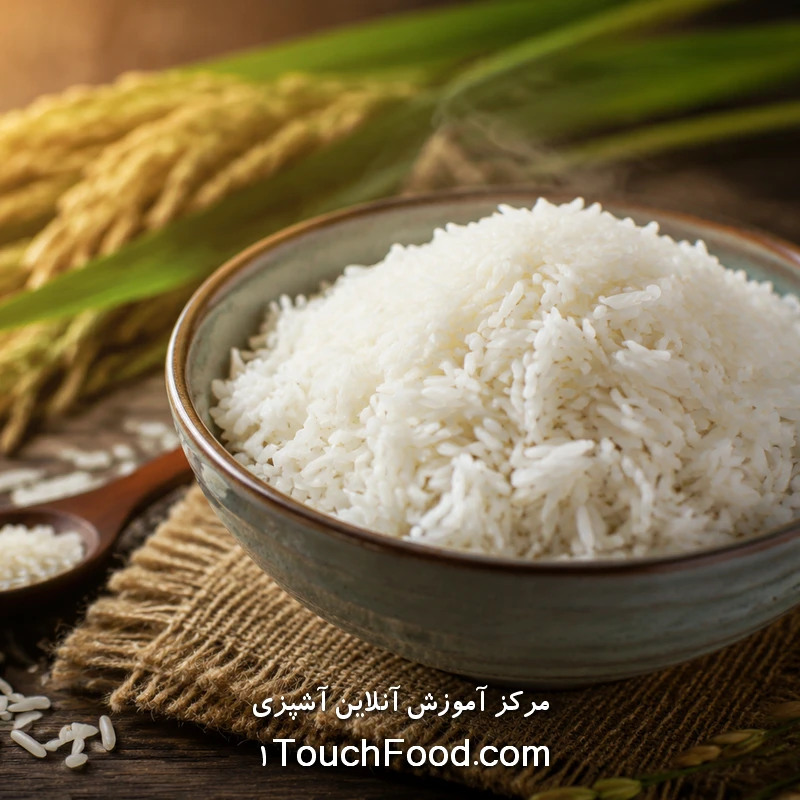
The glycemic index of Thai rice is usually around 50 to 60, which is in the medium range. This value indicates that Thai rice can cause a gradual increase in blood sugar after consumption, but the extent of this increase depends on the type of rice and its cooking method. Choosing the right way to consume it can reduce the impact of the GI. What is the glycemic index of Thai rice? Review the GI number, the effect of cooking method, suitability for diabetes and the best way to consume it to control blood sugar.
What is the glycemic index of Thai rice?
The glycemic index of Thai rice averages around 50 to 60, making it a medium-GI food. The exact numbers may vary based on the type of grain, the degree of processing, and the cooking time.
What does the glycemic index of Thai rice mean?
The glycemic index, or GI, is a measure of how quickly blood sugar levels rise after eating a carbohydrate-containing food. The higher the GI number, the faster blood sugar levels rise. Thai rice, with a medium GI, usually causes a gentler rise in blood sugar than highly processed rice.
Glycemic index table for Thai rice
| Consumption mode | Glycemic Index (GI) |
|---|---|
| Plain cooked Thai rice | About 50 to 60 |
| Soft and long-cooked Thai rice | About 60 to 70 |
| Thai rice cooled after cooking | It may be a little less. |
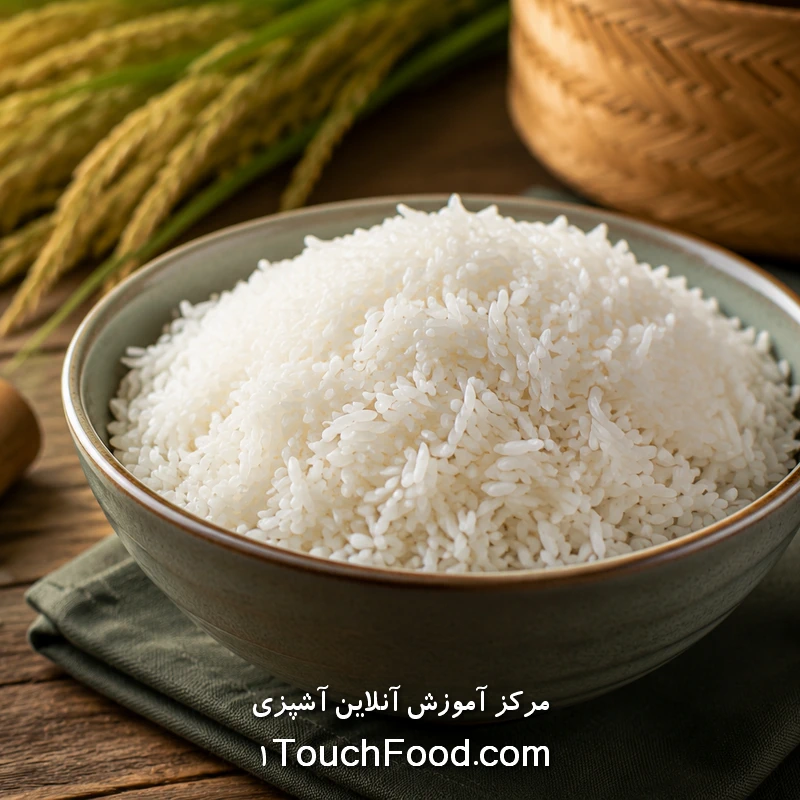
What factors change the glycemic index of Thai rice?
Cooking and preparation method
Cooking time, water content, and the softness of the rice grains all affect the GI. Overcooked and soft rice is usually digested more quickly and can cause a greater rise in blood sugar.
Amount of processing and form of consumption
The type of rice processing, grain size, and starch structure affect the glycemic index. Less processed rice usually has a slower absorption rate.
Combining Thai rice with other foods
Consuming Thai rice along with protein sources, vegetables, and healthy fats can slow down the rate of carbohydrate absorption and help better control blood sugar.
Is Thai rice suitable for diabetics?
Yes, but with caution. People with diabetes can have a controlled amount of Thai rice in their diet. It is best to manage portion sizes and eat rice with vegetables and protein to reduce blood sugar fluctuations.

Frequently Asked Questions About the Glycemic Index of Thai Rice
Does cooking increase the glycemic index of Thai rice?
Yes, cooking rice too long and making it too soft can increase its GI because the starch becomes easier to digest.
What is the difference between glycemic index and glycemic load?
The glycemic index indicates how quickly blood sugar rises, but glycemic load takes into account the amount of carbohydrates consumed in a serving in addition to the GI.
What is the best way to consume Thai rice to control blood sugar?
Consuming a balanced amount, pairing rice with vegetables and protein, and avoiding overcooking are good ways to control blood sugar spikes.

Final summary
The glycemic index of Thai rice is usually between 50 and 60, placing it in the medium GI category. Cooking method, degree of processing, and nutritional composition can all alter its impact on blood sugar, so how you consume it matters.
We have brought you the introduction of cooking radio again. We have reviewed the benefits, a guide to starting listening, and important points in choosing cooking radio programs. Don't forget to check out One Touch Food's Instagram page . Be sure to send us your comments and suggestions.
Prepared on: 1TouchFood cooking site
Don't forget that you can also use food calories to find out the calories in other ingredients.
Nutritional data source: FoodData Central – USDA