How to store olive oil at home
How you store olive oil at home has a direct impact on the aroma, flavor, and quality of this precious oil. If you've bought a good olive oil but after a while the smell has changed or the taste is no longer the same as the first day, the problem may be in how you stored it. Light, heat, oxygen, and even choosing the wrong container can all degrade the quality of olive oil over time. Fortunately, with a few simple habits, you can take better care of your oil and enjoy its pleasant aroma and flavor for longer.
How to store olive oil at home?
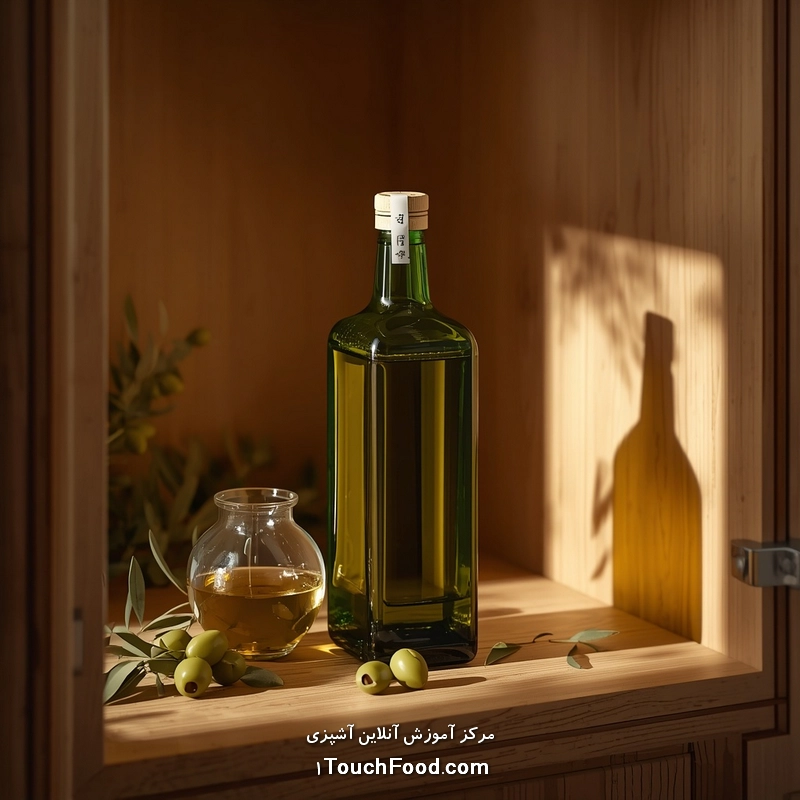
The best way to store olive oil at home is to store it in a clean, tightly sealed, preferably dark container, away from direct light and heat sources. A cool, relatively constant temperature, minimal exposure to air, and observing the expiration date will help preserve the quality of the oil. For daily use, pour a small amount of oil into a small container and keep the rest in its original, suitable packaging.
Also keep in mind: Olive oil naturally loses quality over time, even if it doesn't smell bad yet. So it's usually better to buy a small amount for your family's consumption than to keep a large bottle for a long time.
Why is it important to store olive oil properly?
Olive oil contains unsaturated fatty acids and compounds such as polyphenols. These compounds, along with the oil's desirable nutritional properties, are vulnerable to improper storage conditions.
Four main factors contribute to the decline in olive oil quality:
- Light: Prolonged exposure to light, especially sunlight, accelerates the oxidation process of oil.
- Heat: High temperatures accelerate chemical reactions associated with oil deterioration.
- Oxygen: Continuous contact of the oil with the air inside the container will eventually cause it to oxidize.
- Time: Even under the right conditions, olive oil does not maintain its original quality forever.
For example, a bottle of olive oil may look good by the kitchen window, but the heat and sunlight of the day will gradually change its aroma and flavor. For this reason, where the oil is stored is as important as its original quality.
What is the appropriate storage temperature for olive oil?
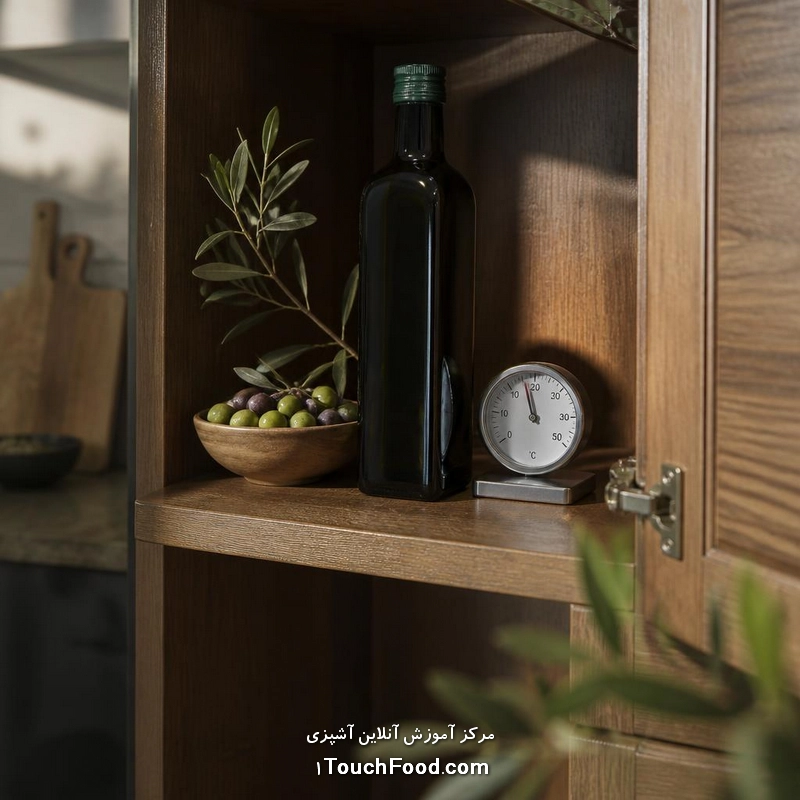
The ideal temperature for storing olive oil is usually around 14 to 18 degrees Celsius; however, more important than reaching an exact number is choosing a cool environment away from extreme temperature fluctuations. If you don't have such a space at home, a cool cabinet away from the stove, oven, and windows is also a good choice.
Do not store olive oil next to a samovar, on a cabinet above the stove, or near heating appliances. The heat that reaches these areas during cooking can increase the temperature of the oil many times.

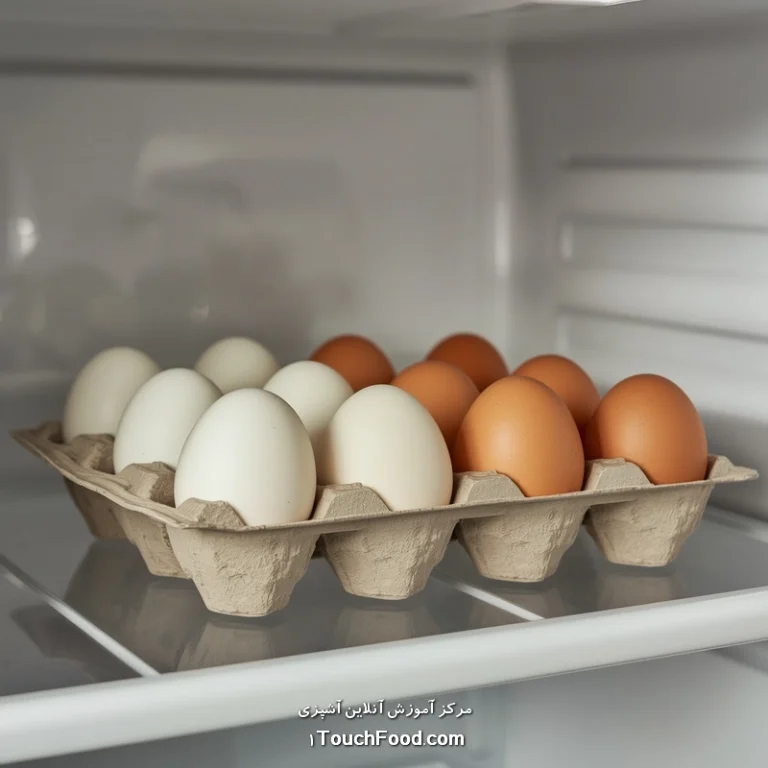
Should olive oil be stored in the refrigerator?
It is not necessary to store olive oil in the refrigerator. If your home is warm or you cannot provide a cool, dark environment for the oil, the refrigerator can be a good option. However, olive oil may become cloudy, appear thick, or form small crystals at low temperatures.
These changes are usually normal and are not a sign of oil spoilage on their own. The oil's appearance often returns to normal when it is brought back to room temperature.
If you store the oil in the refrigerator, you don't need to leave the entire bottle out for a long time each time you use it. It's best to take out the amount you need and avoid frequent temperature changes as much as possible.
Does freezing olive oil extend its shelf life?
Freezing olive oil is not necessary for regular home use. Extreme cold can thicken or solidify the oil, making it more difficult to use. For most families, storing it in a cool, dark, and constant temperature environment is a simpler and more practical choice.
What are the characteristics of a suitable olive oil container?
The right container for olive oil should block out light and, as much as possible, prevent the oil from constantly coming into contact with air. The container should also be clean, dry, have a tight-fitting lid, and be made of food-safe material.
The choice of container depends on where the oil is stored and how quickly it is consumed. You can compare common options in the table below.
| Container type | Advantages | Important point |
|---|---|---|
| Dark glass bottle | Better protection of oil from light | Close the door tightly. |
| Food-grade steel container | Resistant and light-resistant | Make sure the material is of good quality and suitable. |
| Clear glass bottle | Easy to clean and view contents | Should be stored in a dark cabinet. |
| Plastic container suitable for food | It is lightweight and portable. | For long-term storage, prefer the oil's original packaging. |
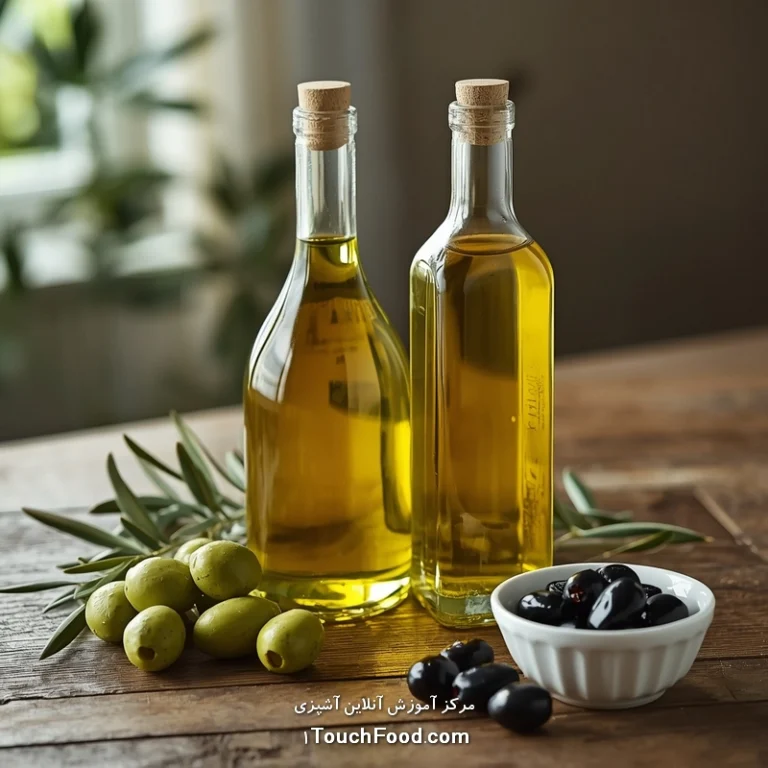
Is a dark glass bottle better than a clear bottle?
Yes, a dark glass bottle is usually a better choice because it blocks out some of the light. Glass itself isn't a problem for storing olive oil, but its transparency allows more light to reach the contents.
If you bought the oil in a clear bottle, you don't need to replace it right away. Just store the bottle in a cool, dark cabinet. Storing it in its original packaging, especially when the packaging is designed to protect the oil, is often a good choice.
Can I pour olive oil into another container?
Yes, but the new container must be completely clean and dry. Any water, detergent, or food particles left in the container can affect the quality and hygiene of the oil.
If you are transferring the oil to a container for daily use, pour a small amount and keep the rest of the oil in the original packaging. Also, it is best not to add new oil to the remaining oil in the previous container without washing and drying it thoroughly.
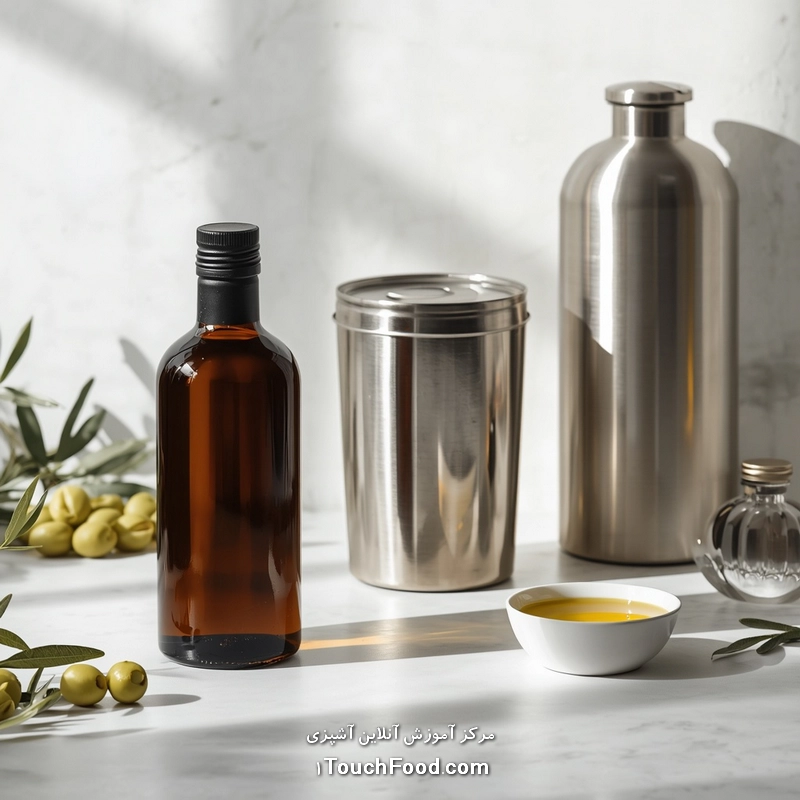
Light and storage location of olive oil
A common mistake in the kitchen is to place the bottle of olive oil on a cabinet next to frequently used appliances. This makes it easy to access the oil, but if the chosen location is bright or hot, the quality of the oil may deteriorate faster.
To choose the right location, follow these tips:
- Choose a cabinet away from the stove and oven.
- Do not place the bottle next to a window or in direct sunlight.
- Keep oil away from heat-generating devices.
- Close the bottle tightly after each use.
- Avoid storing oil in open containers or without proper lids.
An interior cabinet that doesn't experience much temperature change throughout the day is usually a better choice than a shelf near a window or stove.
How long does olive oil last after opening?
The shelf life of olive oil depends on the type of oil, the freshness of the product when purchased, the packaging method, storage conditions, and the length of time it is exposed to air. Many olive oils, once opened, will remain acceptable for several months if stored properly, but there is no fixed time for all products.
It is best to check the expiration date on the packaging and follow the manufacturer's instructions. The expiration date alone does not guarantee that the oil will be of the same quality until the last day; storage conditions are also important.
How much olive oil should we buy for daily consumption?
If your family uses less, a smaller bottle is a better choice. For example, if you only use olive oil on salads occasionally, buying a large container may allow the oil to last longer after opening.
When buying, consider the following:
- Check the production date and expiration date.
- Choose healthy, leak-free packaging.
- Consider the family's usual consumption.
- Avoid buying much more than you need in the short term.
Shopping smart is one of the easiest ways to reduce oil waste and maintain its quality.
How to diagnose olive oil rancidity?
The most common way to tell if an olive oil has gone rancid is by its smell and taste. An oil that has oxidized and lost its quality may smell like crayon, cardboard, old nuts, or old oil. The taste may also be dull, stale, or unpleasant.
To evaluate the oil, first look at its appearance, but don't rely solely on the color. The color of olive oil depends on the type of olive, the time of harvest, and the production method, and is not a reliable measure of freshness.
Then, smell a very small amount of the oil to ensure there are no obvious signs of spoilage or contamination. If the smell has changed noticeably or it has an unpleasant taste, it is best not to consume it.
Is the bitterness and pungency of olive oil a sign of spoilage?
No. Mild to pronounced bitterness and pungency in extra virgin olive oil can be part of its natural characteristics. These flavors may be related to the type of olive, the time of harvest, and the natural composition of the oil.
To identify rancidity in olive oil, you need to differentiate between natural rancidity and off-flavor. Natural rancidity is usually associated with the oil's fresh, herbal qualities, but oxidized oil may have a stale smell or unpleasant taste.

Does a change in the color of olive oil mean it has gone bad?
No, color change alone is not enough to judge. Olive oil can range from green to golden yellow, and cold can also temporarily change its appearance. However, if the color change is accompanied by an unpleasant odor, leakage, contamination, or other unusual signs, you should be extra cautious.
Is expired olive oil safe to consume?
If the date on the package has passed, you should not judge the safety or quality of the oil based solely on its appearance. The oil may lose its quality before the date, especially if it has been exposed to heat, light, and air. If you notice an unpleasant odor or aftertaste, do not consume it and pay attention to the date and manufacturer's recommendations.
Common Mistakes in Storing Olive Oil
Sometimes a small habit can cause olive oil to lose its quality sooner than expected. Fortunately, these habits aren't hard to correct.
1. Leaving the bottle cap open: Every time the bottle cap is left open, the oil is exposed to more air. Close the cap tightly after use.
2. Store near the stove: The heat from cooking will damage the oil over time. Choose a cabinet away from the stove.
3. Buying more than you need: A larger bottle is not always more economical, especially if the oil has been open for a long time.
4. Adding new oil to old oil: This can make it difficult to maintain and control freshness. It is best to clean and dry the container and then pour the new oil into it.
5. Judging quality by color alone: Color alone is not an indication of freshness or spoilage. Also consider smell, taste, expiration date, and storage conditions.
6. Using a wet container: Water remaining in the container or contamination during transportation can make storage conditions unsuitable. Always use a completely dry and clean container.
The difference between storing extra virgin olive oil and refined oil
Extra virgin olive oil has a special aroma and flavor due to the method of production and preservation of its natural compounds. These characteristics are valuable, but aromatic compounds and some substances sensitive to oxidation may be reduced under improper storage conditions.
Refined olive oil also needs to be protected from light, heat, and air. The difference in the type of oil does not mean that one can be left exposed to light and heat and the other cannot. For both types, proper packaging and compliance with the expiration date are important.
If you have chosen extra virgin oil for salads, seasonings, or any use where its aroma is important, it is best to consume it fresh and avoid storing it for long periods after opening.
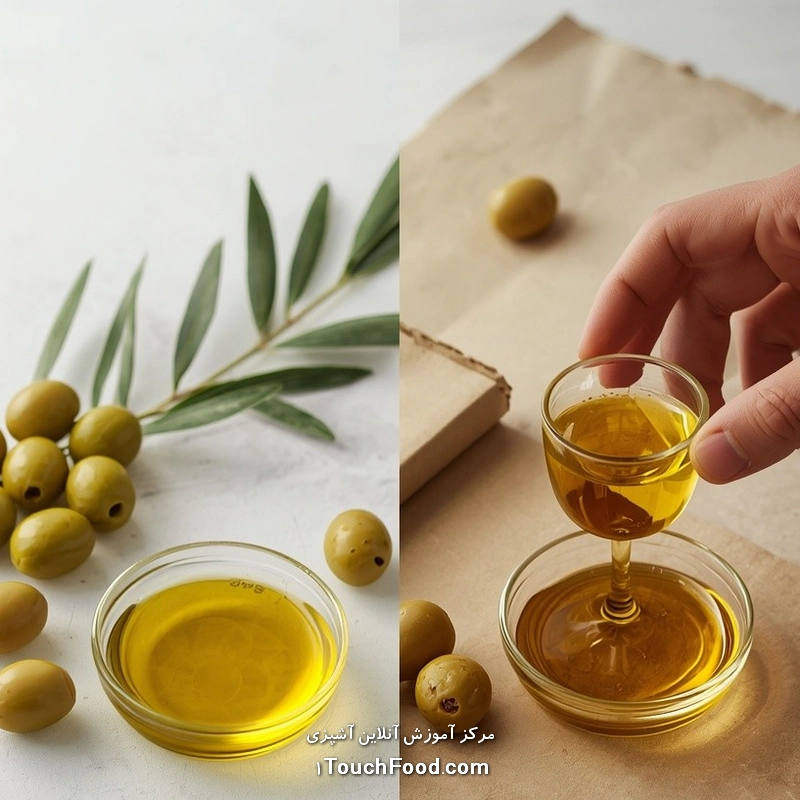
Quick checklist for storing olive oil at home
To help you remember the main points, consider this short list:
- Store the oil in a cool, dark environment.
- Use a dark glass bottle or suitable, light-shielding container.
- Keep the ambient temperature as constant as possible.
- Close the bottle cap immediately after use.
- Keep the oil away from the stove, oven, and direct sunlight.
- Check the expiration date and packaging condition.
- Buy the amount appropriate for your family's consumption.
- Do not consume the oil if there is a clear change in odor or an aftertaste develops.
Frequently asked questions
1. What is the best way to store olive oil at home?
Store olive oil in a sealed, preferably dark container, in a cool place away from light and heat. Also, close the bottle tightly after each use and check the expiration date.
2. What is the appropriate temperature for storing olive oil?
A temperature of around 14 to 18 degrees Celsius is ideal for storing olive oil, but temperature stability and keeping it away from light and heat are also important. If your home is warm, a cool cabinet or refrigerator can be a good choice.
3. What is the appropriate container for olive oil?
A dark glass bottle with a tight-fitting lid or a food-grade stainless steel container are good options. If you use a clear bottle, keep it in a dark environment to minimize the oil's exposure to light.
4. How do we know if olive oil has gone bad?
A smell like old cardboard, crayons, or old nuts, and a lingering aftertaste can be signs of deterioration and rancidity in the oil. Color alone is not a good indicator, and the natural bitterness or pungency of extra virgin oil is not necessarily a sign of spoilage.
5. Is it necessary to store olive oil in the refrigerator?
No, if your home is cool and dark, refrigeration is usually not necessary. In warm environments, refrigeration can help preserve quality, although the oil may become cloudy or thick in the cold and return to its original state upon warming.

Conclusion
You don't need to buy special equipment or change your kitchen to preserve the flavor and aroma of your olive oil. Just keep it away from light, heat, and prolonged exposure to air, choose a suitable container, and buy only as much as you need. These few simple habits can make a significant difference in the quality of the oil you use every day for salads, meals, or homemade condiments.
Now you tell me: do you keep olive oil in the cabinet at home or in the refrigerator? Write your experience in the comments section and if you found these tips useful, share the article with your friends who are interested in cooking.
We have brought you the introduction of cooking radio again. We have reviewed the benefits, a guide to starting listening, and important points in choosing cooking radio programs. Don't forget to check out One Touch Food's Instagram page . Be sure to send us your comments and suggestions.
Prepared on: 1TouchFood cooking site
Don't forget that you can also use food calories to find out the calories in other ingredients.
Nutritional data source: FoodData Central – USDA