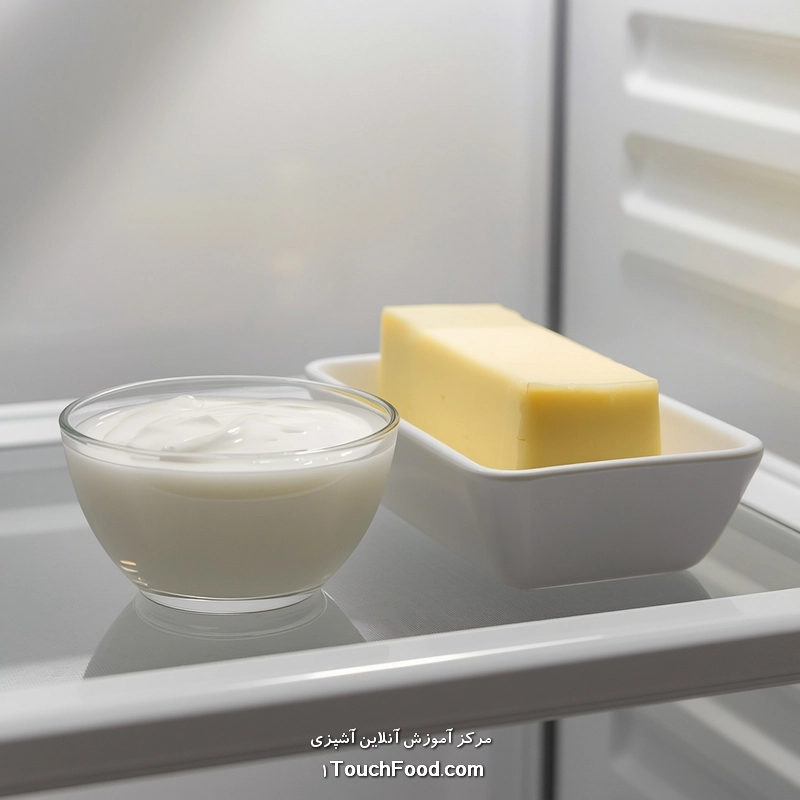
How to store cream and butter in the refrigerator
The method of storing cream and butter in the refrigerator is not limited to just placing these two foods on the cold shelf of the refrigerator; the right container, storage temperature, hygiene, and avoiding contact with air also play an important role in maintaining their quality and freshness. If you find that your cream has soured quickly or your butter has taken on the smell of other foods, you can prevent this from happening with a few simple tips. In this article, you will learn where to store cream and butter, how to package them, and when it is best to throw them away.
Why is it important to store cream and butter properly?
Cream and butter are both dairy products, but they have different compositions and characteristics. Cream usually has more water and, depending on the type of processing and fat content, can be a good environment for microorganisms to grow. Butter has more fat, but that doesn't mean it's immune to spoilage or contamination.
Improper storage can cause changes in the smell, taste, texture, and color of these products. Cream can turn sour or change its texture. Butter can also develop an unpleasant odor or undergo fat oxidation due to exposure to oxygen, light, and heat.
The important thing to remember is that a natural appearance and smell do not always guarantee that a food is safe. So, in addition to checking the quality, you should also consider the expiration date, storage instructions on the packaging, and how long the product has been out of the refrigerator.
How to store cream and butter in the refrigerator in a basic way
To properly store these products, it is best to follow several principles at once. The refrigerator temperature must be low enough, the packaging must prevent contamination, and the food should not be left at room temperature for long periods of time.
What is the right temperature for the refrigerator?
Set your home refrigerator to 40 degrees Fahrenheit (4 degrees Celsius) or lower. This temperature helps slow the growth of many bacteria, although it does not stop the growth of all microorganisms.
To be more certain, you can use a refrigerator thermometer. Setting the number on the refrigerator display does not always mean that all parts of it are at the same temperature.

Where is the best part of the refrigerator for cream and butter?
Place the cream in the interior of the refrigerator on a shelf where the temperature is stable. The refrigerator door usually has more temperature fluctuations due to frequent opening and closing, so it is not a good choice for storing cream for a long time.
Butter is also best stored in its original packaging in the cool part of the refrigerator. If you use butter for breakfast, you don't have to leave it out on the kitchen counter all the time. Just take out as much as you need and put the rest back in quickly.
A container suitable for storing cream and butter
The right container can prevent odor absorption, contact with contamination, and drying of the product surface.
- Store opened cream in a clean, dry, tightly sealed container. If the original packaging can be securely sealed, you can keep it.
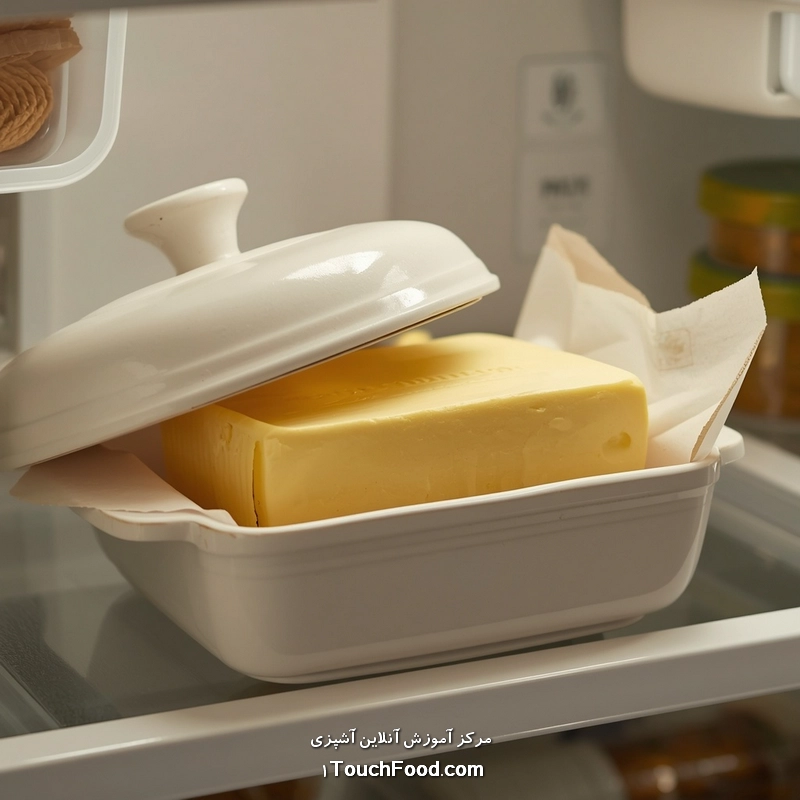
- Keep butter in its own paper or packaging, and after opening, place it in a sealed container.
- Use a clean spoon to remove the cream and do not put the used spoon back into the container.
- Do not remove butter with a knife that has been dipped in jam, cheese, bread, or other food.
A practical tip: If you have a large package of cream and only use a small amount at a time, it's best to close the container tightly immediately after use rather than leaving it open frequently.
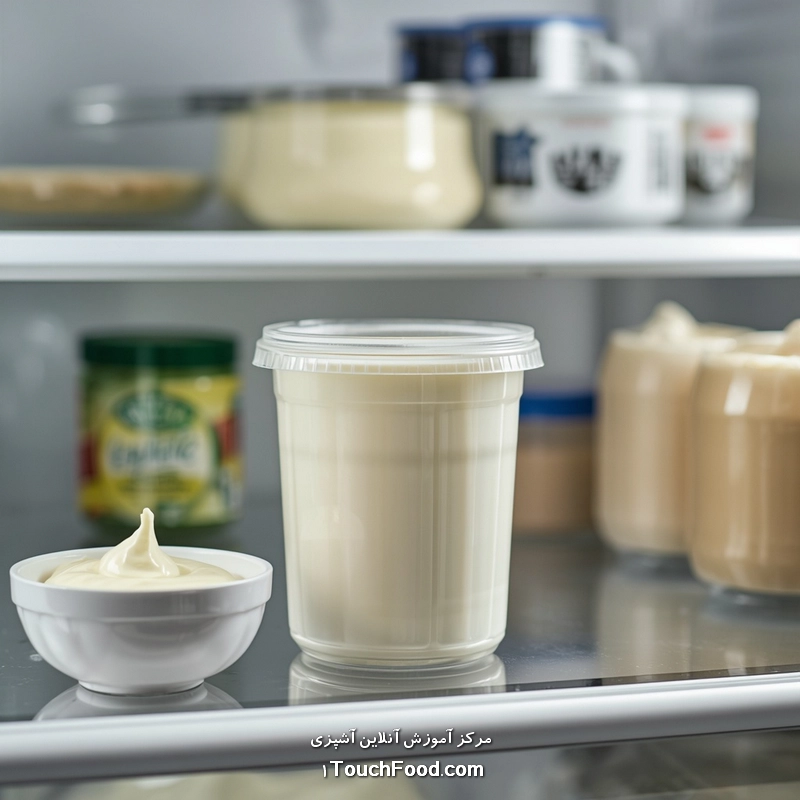
How long does fresh cream last?
The shelf life of fresh cream depends on the type of cream, the processing method, whether the packaging is open or closed, and the storage conditions. For this reason, it is not possible to determine the same time for all creams. Pasteurized cream, ultra-cold cream, and pastry cream may have different storage instructions.
The table below provides approximate intervals for maintenance planning. These numbers are a general guide and do not replace the use-by date and instructions printed on the packaging.
| product type | General guide to storing in the refrigerator |
|---|---|
| Unopened pasteurized cream | Until the date printed on the package, provided the cold chain is maintained. |
| Opened pasteurized cream | Usually about 3 to 5 days, unless the label specifies a shorter time |
| Unopened Faradama cream | Until the date printed on the package, if stored according to the manufacturer's instructions. |
| Faradama cream after opening | Usually about 3 to 5 days in the refrigerator; product label takes precedence |
| Pastry cream | According to the manufacturer's instructions; may have a shorter shelf life after opening or preparation. |
These ranges are approximate and do not apply to all products. If the package says to use the product within 2 or 3 days of opening, follow that instruction.
How to keep cream fresh after opening?
Once the cream is opened, air and the possibility of contamination increases. To maintain its quality, follow these tips:
- Write the date you opened the package on it so you don't forget the shelf life.
- Return the cream to the refrigerator immediately after use.
- Avoid contact of the cream with contaminated hands or utensils.
- Do not store cream next to foods with strong odors or without proper packaging.
- If the cream has been out of the refrigerator for a long time, don't just trust its smell and appearance.
Perishable dairy products should not be left at room temperature for more than 2 hours. If the ambient temperature is above 32°C, this time is reduced to a maximum of one hour.
What are the signs of spoiled cream?
A change in the cream's natural smell, unusual sourness, mold, discoloration, or unusual texture can all be signs of spoilage. Of course, a small amount of liquid separating from some types of cream does not always mean it has spoiled, and you should check the product's instructions.
If you see mold or the cream has an unpleasant, unusual odor, throw it away. Tasting the cream is not a reliable way to tell if it is safe. Adding sugar, vanilla, or other ingredients also does not make spoiled cream safe.
Preventing butter from going rancid and preserving its flavor
Because of its high fat content, butter is particularly susceptible to odor absorption and oxidation. Preventing butter from going rancid isn't just about keeping it cold; the type of packaging, the amount of air exposure, and the cleanliness of the container are also important.
To keep butter at its natural flavor, store it in its original packaging and then place it in a sealed container. The packaging should prevent the butter from coming into direct contact with air and refrigerator odors as much as possible.
Why does butter smell like a refrigerator?
Butter can absorb odors from things like onions, garlic, fish, and some cooked foods. If butter is left in the refrigerator without proper cover, its flavor may change, even if it doesn't show obvious signs of spoilage yet.
To prevent this problem:
- Store odorous foods in sealed containers.
- Do not leave butter exposed to the air in the refrigerator.
- Use a clean, butter-specific container.
- Do not leave butter near the stove or in direct sunlight for long periods of time.
Does salted butter last longer?
Salt can help reduce the growth of some microorganisms, but salted butter can also lose its quality or become contaminated. Therefore, you should not assume that salted butter will stay safe indefinitely under any circumstances.
Store both unsalted and salted butter according to package directions. If you want the butter for baking, note that unsalted butter is usually a better choice for controlling the amount of salt in the recipe, but this is not directly related to storage method.

Freezing butter for longer shelf life
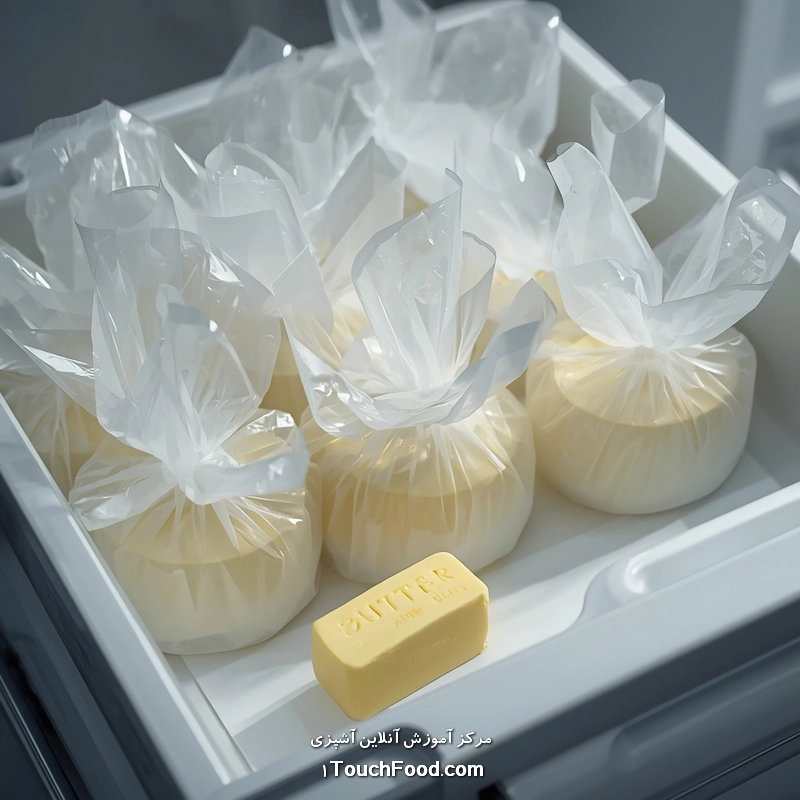
If you buy butter in bulk or use it only a little every day, freezing is a great way to extend its shelf life. Freezing butter for longer shelf life helps maintain its quality, as long as it is properly packaged and not exposed to air.
You can freeze butter in its original packaging, as long as the packaging is safe and freezer-safe. For added protection, place it in a freezer bag and squeeze out any excess air.
How long does butter last in the freezer?
To maintain quality, butter can usually be stored in a freezer at -18°C or below for about 6 to 9 months. This period depends on the initial quality, the type of packaging, and how consistently the freezer temperature is maintained. The product may still be safe to consume after this period, but its flavor and texture will gradually deteriorate.
It's a good idea to write the freezing date on the package and divide the butter into smaller portions. This way, you only take out as much butter as you need at a time and don't have to open the entire package.
The correct way to defrost butter
The best way is to put the butter in the refrigerator the night before to soften it slowly. If you're in a hurry, you can soften a small amount of butter in a suitable container for a short time, but don't leave it on the kitchen counter for long hours.
Melted butter may not have the same texture as it did when it was re-cooled. This change in texture is not necessarily a sign of spoilage, but it may create a different result for some pastries or dishes that require the butter's precise texture.
Can cream be frozen?
Some types of cream can be frozen, but the results depend on the fat content and the type of processing. After defrosting, the cream may become two-phase or lose its smooth texture. For this reason, cream that is intended to be used for cake decoration or shaping after defrosting does not always give the desired results.
If you plan to freeze cream, check the manufacturer's instructions first. Cream that does not have the right texture after defrosting may be suitable for some cooking applications, but its quality should not be guaranteed without checking.
Common mistakes in storing cream and butter
Sometimes a simple habit can cause dairy products to lose their quality sooner than expected. Avoid these mistakes:
- Putting cream in the refrigerator door: Temperature fluctuations can make storage conditions unsuitable.
- Using a contaminated spoon: Food particles or contamination entering the cream container can increase the risk of spoilage.
- Opening the butter package: Contact with air and other odors reduces the quality of butter.
- Long-term storage at room temperature: Cream and butter are perishable and should not be left out of the refrigerator for hours.
- Ignoring the expiration date: Natural appearance does not guarantee product safety.
- Repeated freezing: Temperature changes can reduce the quality of the product. It is best to divide it into usable sizes from the beginning.
Cream and butter storage summary table
| tip | Cream | Korea |
|---|---|---|
| دمای یخچال | 4 degrees Celsius or lower | 4 degrees Celsius or lower |
| Proper packaging | Clean and sealed container | Original packaging and sealed container |
| An important factor in quality decline | Pollution and improper maintenance | Air, light, heat and odor absorption |
| Possibility of freezing | Depends on the type of cream and its application. | Usually suitable and practical |
| Corruption detection method | Checking the smell, color, texture, and storage conditions | Check for unusual odor, color, taste, and storage conditions |
Frequently asked questions
1. How many days does opened cream last in the refrigerator?
Opened pasteurized cream can usually be stored in the refrigerator at 4°C or below for about 3 to 5 days. The instructions on the packaging and the product's expiration date always take precedence.
2. Should butter be stored in a sealed container?
Yes, it is best to store butter in its original packaging or sealed container. This reduces exposure to air, absorption of refrigerator odors, and loss of quality.
3. Can butter be frozen for several months?
Yes, butter can be stored in a freezer at -18°C for about 6 to 9 months to maintain its quality. Proper packaging and dividing the butter into small pieces will help maintain its quality.
4. Can sour cream be used with sugar or vanilla?
No, adding sugar or vanilla will not fix the spoilage of cream. If the cream shows signs of spoilage, discard it and do not taste it to determine safety.
5. Can butter be stored outside the refrigerator?
Small amounts of butter for short-term use may remain soft in a suitable container and under controlled conditions outside the refrigerator, but prolonged storage at room temperature is not recommended. To maintain quality and reduce the risk of contamination, return butter to the refrigerator after use.

Conclusion
Storing cream and butter properly is not complicated; just set the refrigerator temperature to 4°C or below, use the right container and packaging, and pay attention to the shelf life. Consume cream within the recommended time after opening, and use the freezer to preserve the quality of butter for longer.
If you have a special trick for keeping dairy products fresh, share it with us and other cooking enthusiasts in the comments section. Perhaps your simple experiment will help you waste less food and make your home shopping more economical.
We have brought you the introduction of cooking radio again. We have reviewed the benefits, a guide to starting listening, and important points in choosing cooking radio programs. Don't forget to check out One Touch Food's Instagram page . Be sure to send us your comments and suggestions.
Prepared on: 1TouchFood cooking site
Don't forget that you can also use food calories to find out the calories in other ingredients.